Tengboche: The Khumbu's Spiritual Heart
Tengboche is the heart and spirit of the Everest region. Tengboche is not just a village; it is a sanctuary. It stands on a ridge 3,867 meters above the point where the Dudh Koshi and Imja Khola rivers meet. It is the spiritual journey of the Everest Base Camp hike, when the rush of the river gives way to the song of prayers, and the eyes are elevated not just to the tall peaks but also to the inner self. In this place, the smell of pine incense and the sound of a dungchen (long horn) create an atmosphere where the worldly goals of climbing and hiking meet the eternal peace of Tibetan Buddhism.
A View of Unmatched Grandeur: The Monastery as a Stage
The way to Tengboche is a fantastic reveal. After an uphill ascent through rhododendron and pine woodland, the route leads to a wide, grassy meadow. The Tengboche Monastery (Dawa Choling Gompa) sits in the center of it all.
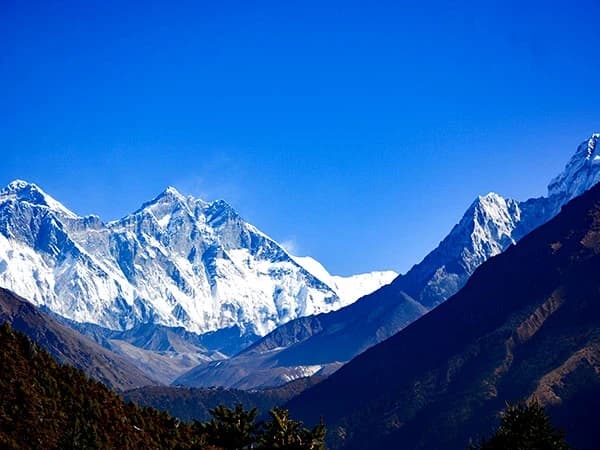
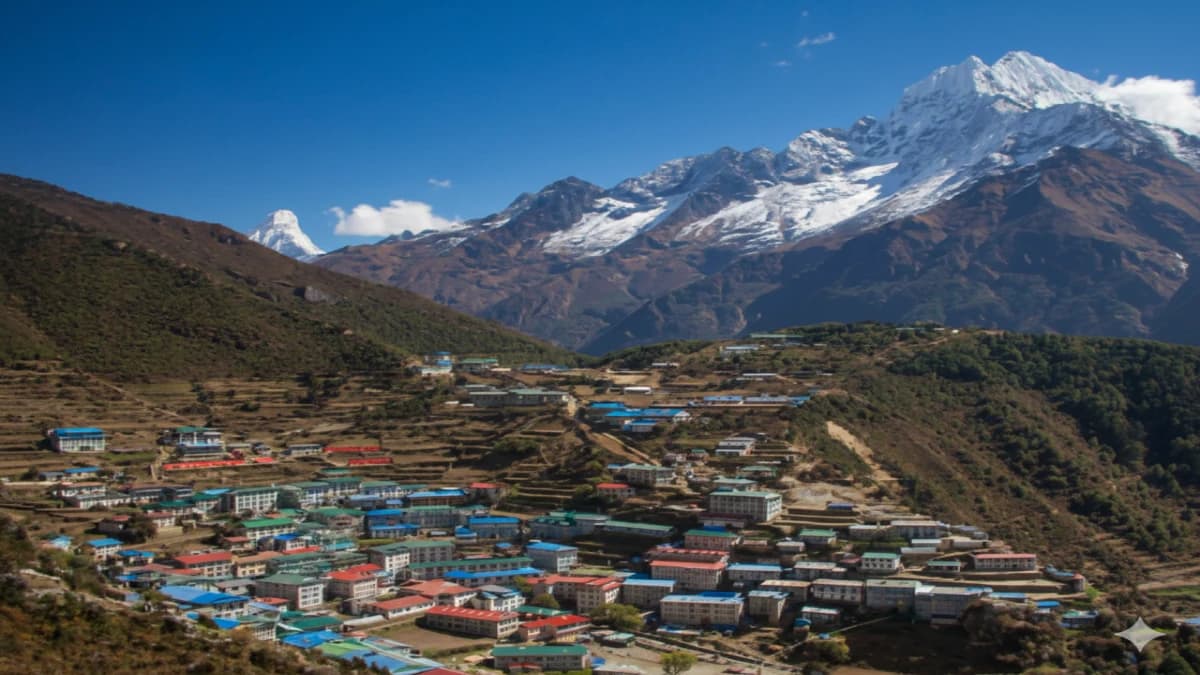
Its detailed, colorful front is surrounded by what is probably the most famous mountain view in the world. This is what postcards and dreams look like. The beautiful Ama Dablam extends out its long, sheltering arms right in front of you. The summit pyramid of Everest can be seen to the left of the huge wall of Nuptse and Lhotse. The huge Thamserku and Kangtega make up the stone and ice amphitheater. Lama Gulu picked the location of the monastery in 1916 after having a vision. This locale was a heavenly choice since it is a spot where heaven and earth clearly meet. For more than a hundred years, pilgrims and trekkers have experienced the pure, peaceful joy of sunrise here, when the first golden light hits the top of Everest.
The Living Heart: The Tengboche Monastery
The monastery is what makes Tengboche what it is. Regrettably, a fire in 1989 and an earthquake in 2015 caused damage to the original building. The Sherpa community has carefully rebuilt it each time, with help from people all around the world. The destruction of this structure shows how important it is to their culture and religion. It is the most prominent Buddhist monastery in the Khumbu region and the home of the reincarnated lama. It is also a place for religious study and ceremonies. People are welcome to see the daily ceremonies. The chanting of prayers, the deep-throated horns, and the sight of monks in maroon robes all add to the sense of peacefulness. The inside is a colorful mix of religious art, including colorful thangka paintings of gods and mandalas, detailed sculptures of Buddha, Padmasambhava, and Maitreya, and detailed wood carvings that relate to ancient legends.
The Mani Rimdu Festival:
The Mani Rimdu festival, which takes place every year in the fall (typically in October or November), is Tengboche's most important spiritual event. Monks use beautiful outfits and masks to do holy cham dances. These performances are not merely shows; they are powerful religious plays that demonstrate Buddhism's victory over spirits that existed before it introduced kindness to all living things. For hikers who are lucky enough to see it, Mani Rimdu is an incredible way to experience Sherpa culture.
The Trekker's Safe Place
Tengboche is an important acclimatisation stop between Namche Bazaar and Dingboche. It takes almost 600 meters of climbing from the river at Phunki Tenga (3,250m) to the monastery. Because of this, staying here for the night is both a physical need and a spiritual blessing.
The Vibe: The mood here is calmer and more thoughtful than it is in Namche. The monastery makes the whole town seem peaceful. Evenings are for peaceful talk, reading, and going to bed early, typically with the distant, soothing sound of prayer from the gompa.
Facilities:
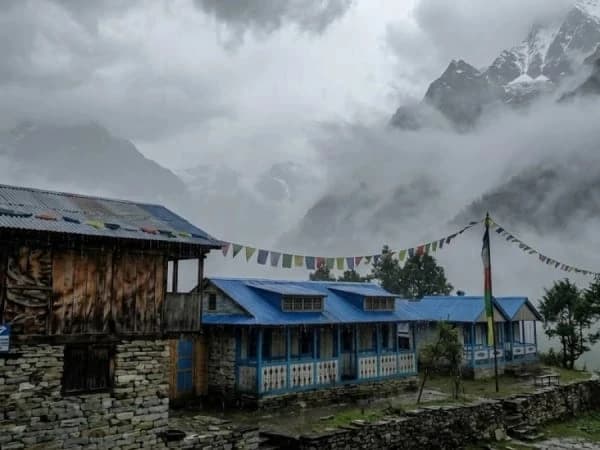
A few lodges provide simple yet decent places to stay. The bakery next to the monastery is a well-known stop because it offers fresh apple pie, cinnamon rolls, and strong coffee. People love to eat these things while looking at Ama Dablam.
A Crossroads of Paths and Purpose
Tengboche is a place where many cultures and places meet. The major trail to Everest Base Camp goes right past its courtyard. Just below is where the fork to the lovely Gokyo Lakes valley splits off. Everyone who walks by, whether they're a trekker, a high-altitude climber, a porter carrying a lot of stuff, or a monk in a robe, stops here. Here, you can witness the whole range of the Khumbu: the spiritual commitment that has kept people living here for hundreds of years and the daring spirit that brings people from all over the globe to these mountains. It is a place where a climber might secure their boots alongside a monk who is spinning a prayer wheel, each progressing along their own ascent.
Conclusion
Tengboche is the most important bridge on the way to Everest. It connects the green lowlands with the dry, high-altitude world above. More crucially, it connects the outside trip of miles and meters with the inward journey of the spirit. It informs everyone who travels through the Khumbu that it's not only a physical place to go through but also a holy place that should be treated with reverence. A moment of peace in the thin, clear air awaits you if you spend the night at Tengboche.
You may listen to the wind in the prayer flags, sense the size of the mountains, and realize that the genuine peak of any big adventure is frequently a change in perspective. Under the shadow of the world's tallest mountain, Tengboche gently reminds you to gaze both up and inward. Tengboche gets your heart ready for the high altitude ahead, not just your lungs.
Where to Stay in Tengboche
Teahouse and lodge accommodation in Tengboche is included in every Everest Base Camp trek package we run. Your guide books your room on arrival, so you do not need to contact lodges directly. The lodges here are simple but comfortable with twin rooms, hot meals, and a common room heated by a yak-dung stove against the 3,860 metre cold.