Dingboche
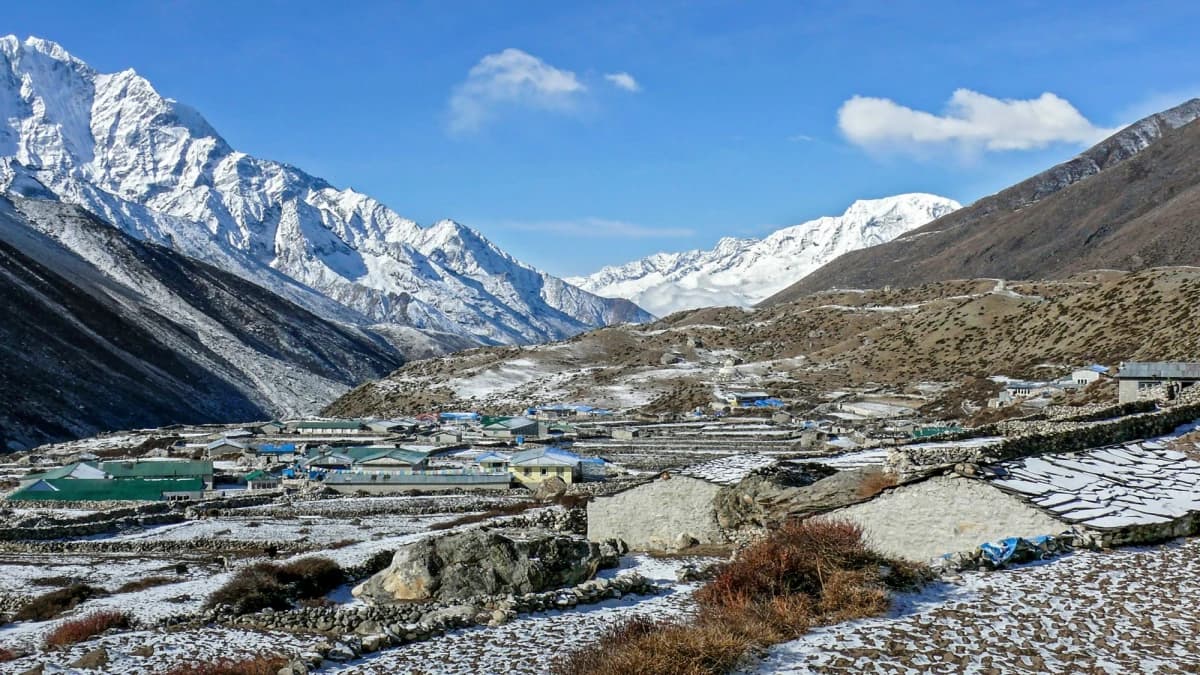
The Khumbu's Acclimatization Settlement and Living Tradition. Dingboche serves as more than just a landmark on the journey to Everest Base Camp. It sits at 4,410meters in the stunning, rugged Imja Valley. It is a very important physiological boundary, a living monument to Sherpa bravery, and a place where the legendary history of Himalayan adventure meets the present. Dingboche is the highest permanently inhabited Sherpa village on the traditional Everest route. It is the last stop on the way to the kingdom of giants, where every trekker and climber must stop to adjust before moving on.
The Non-Negotiable Pause:
Take a Break and Get Used to Dingboche is not just a spot on the Everest Base Camp trip; it is a necessary way of passage. At this height of 4,410 meters, the body has to really commit to adapting. The golden guideline is to stay here for two nights. This will help your body make red blood cells and keep you safe from the life-threatening effects of Acute Mountain Sickness (AMS). But this required stop is a blessing in disguise. It makes people walk more slowly, which encourages them to stop thinking about their objective and start immersing themselves in the experience. The acclimatization walks from Dingboche are famous for turning a physical need into a spiritual one:
Nangkartshang Peak (5,100 m+)
This hard hike behind the town is the best way to get used to the altitude. The effort is worth it since the view is one of the best in the world. The world's fourth and fifth tallest peaks, Lhotse(8,516m) and Makalu(8,485m), are clearly visible, and the summit plume of Everest flows from behind the Nuptse wall. Ama Dablam's beautiful shape stands out to the west. This view is your body's reward and your mind's lasting memories.
The Chukhung Valley Walk
A less difficult option goes east into Chukhung, the climbing center. This hike gives you a humbling, close-up view of the north face of Ama Dablam and the snowy route to Island Peak, making you feel like you're getting deeper into the high mountain refuge.
Dingboche: A Himalayan Haven of Uniqueness
Dingboche adeptly strikes a balance between its rugged, frontier atmosphere and the necessary comforts for healing.
- The viewpoints: The community is like a theater for the mountains. You may see the mountain light setting the Lhotse face on fire in bright orange at sunset from the door of your lodge. The continual, awe-inspiring backdrop of Ama Dablam, Lhotse, and Island Peak is always there.
- The atmosphere: The vibe is calm and concentrated. During the day, you may take your time exploring and going on important treks. At night, you can talk quietly around the fire, eat meals of dal bhat or pizza (which shows how well the area is set up for trekkers), and go to bed early under the stars.
- The Services: Expect strong, stone-built cabins with pleasant dining areas that everyone can use. It's lovely to have fresh apple pie and coffee from a bakery. It's simple, but it gives you a sense of trust among the community.
The Crossroads of Ambition
Dingboche is a very important stop on the way. From here, there are three different ways to go: to Everest Base Camp, to the top of Island Peak, or to the high passes, such as the challenging Kongma La.It is a place where dreams come together. Excited trekkers, determined climbers, and descending expeditions all share space and stories, drawn there by the thin air and the tall peaks.
Conclusion: The Essential Threshold
Dingboche is the spiritual and physical door to the higher Khumbu. It is the last piece of land that has been cultivated, the last piece of land that has been farmed, and the last piece of land that has been cultivated before the landscape gives way to the mineral world of rock, ice, and sky. To get used to being here, you have to do more than simply get used to the weather; you also have to get used to the magnitude, history, and deep beauty of the Himalayas. This is where you go from being a guest to becoming a part of the eternal It’s a story of towering mountains and the remarkable people who live in their shadow—even if only for a brief season. In Dingboche, the journey isn’t just about gaining altitude; it’s about understanding why the journey itself truly matters