Chame is not just another dot on the Annapurna Circuit map. It is the village where the Himalayas stop teasing you from a distance and finally pull you into their orbit.
Sitting at 2,710 meters (8,885 feet) on the banks of the Marsyangdi River, Chame is the unofficial acclimatisation headquarters of the Annapurna Circuit. Trekkers arrive here with tired legs and exit with clear lungs, ready to tackle the high-altitude passes ahead.
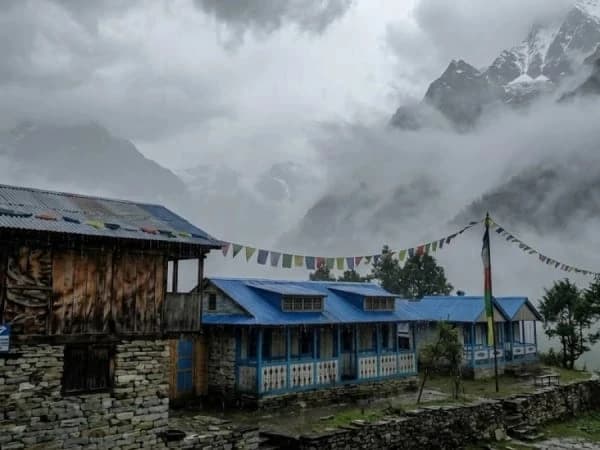
But Chame is more than a medical pit stop. It is a living postcard of Himalayan culture, where prayer flags snap in the wind, Annapurna II looms like a guardian, and the local Manangi people still plough terraced fields by hand.
Why Is Chame the Most Important Stop on the Annapurna Circuit?
Let us be honest. Many trekkers treat Chame as a convenience stop—a place to sleep before the next push. That is a mistake.
Chame is strategically positioned at the transition zone between subtropical foothills and trans-Himalayan desert. Your body notices the shift here. The air thins. The nights cool. The landscape hardens.
Skipping Chame or rushing through it is one of the quickest ways to invite altitude sickness later in Manang or Thorong La.
| Stop | Altitude | Purpose |
| Besishahar | 760m | Trek start |
| Chame | 2,710m | Critical acclimatisation |
| Manang | 3,540m | Rest & adaptation |
| Thorong La Pass | 5,416m | Summit |
Pro Tip: If you arrive in Chame before noon, do not keep walking. Take a short acclimatisation hike behind the village. Your body will thank you at 5,000m.
Where Exactly Is Chame?
Chame is the administrative headquarters of Manang District, located in Gandaki Province, Nepal.
It sits on the northern bank of the Marsyangdi River, flanked by two Himalayan giants:
-
Annapurna II (7,937m)
-
Lamjung Himal (6,983m)
On exceptionally clear days, you can even spot the distant mass of Manaslu (8,163m) peeking over lower ridges.
The village itself is a visual handshake between nature and tradition. Stone houses with wooden balconies. Narrow lanes where goats have right of way. Pine forests bleeding into terraced barley fields.
How to Get to Chame in 2025/2026
By Road (The "Easy" Way)
The Besishahar–Chame road is now fully operational. Local jeeps and buses make the 119km journey in 5–7 hours, depending on road conditions and monsoon damage.
-
Cost: NPR 1,500–2,500 per person
-
Comfort: Bumpy, crowded, memorable
-
Scenery: Rivers, waterfalls, and cliff-hanging roads
By Trail (The "Real" Way)
Most purist trekkers still walk from Besishahar or Bhulbhule. This takes 3–4 days and passes through:
-
Bhulbhule – Trailhead vibe, first suspension bridges
-
Bahundanda – Hindu village with massive valley views
-
Chamje – Rocky trail, jungle shade
-
Tal – Gateway to Manang, first Tibetan influences
-
Dharapani – Checkpoint zone, police permit verification
-
Chame – Arrival
2025 Update: The trail is well-marked, but new road construction has rerouted sections near Tal. Ask locals for the current walking path—do not blindly follow GPS.
Where to Stay: Best Tea Houses in Chame
Chame has over 20 registered lodges. Competition keeps prices fair and hospitality high.
| Lodge Name | Best For | Unique Feature |
| Himalaya Lodge | Mountain views | Rooftop terrace facing Annapurna II |
| Marsyangdi View | River ambiance | Falling asleep to river sounds |
| Manang Heritage | Comfort | Hot shower pressure is excellent |
| Chame Himalayan | Groups | Largest dining hall, family-style seating |
What to expect:
-
Room: Basic. Wooden walls, foam mattress, thick blanket.
-
Bathroom: Shared or attached. Toilet paper not guaranteed.
-
Hot shower: NPR 150–300 for bucket or solar.
-
Wi-Fi: Available in most main lodges. Slow. Do not expect to stream video.
-
Charging: NPR 100–200 per device. Bring a power bank.
Insider Tip: Ask for a room facing east. The sunrise on Annapurna II is worth the cold walk to the bathroom.
What to Eat in Chame
Dal Bhat is not just food here. It is fuel, tradition, and unlimited seconds.
| Dish | Why Order It |
| Dal Bhat | Endless rice, hot lentil soup, vegetables. Unbeatable value. |
| Tibetan Bread | Fried dough served with honey or curry. Post-hike addiction. |
| Momo | Steamed or fried dumplings. Buff or vegetable. |
| Buckwheat Roti | Local Manangi specialty. Dense, nutty, sustaining. |
| Garlic Soup | Altitude remedy. Spicy, warming, believed to boost oxygen flow. |
Water: Do not buy plastic bottles. Chame has clean drinking water stations at most lodges. Refill for NPR 50–100.
5 Things You Must Do in Chame
1. Sunrise Viewing Point (No Hike Required)
Behind the main lodge strip, a small hill rises gently. Walk 5 minutes uphill. No guide needed.
Reward: Direct line of sight to Annapurna II. Zero crowds. No entrance fee.
2. Marsyangdi River Walk
Follow the river west toward the suspension bridge. This is not a trek—it is a meditation walk. The water is glacier-blue. Boulders the size of cars. Prayer stones stacked along the bank.
3. Visit the Local Gompa
Chame’s monastery is small but active. Spinning prayer wheels, faded murals, and the smell of butter lamps. If the caretaker is present, a small donation (NPR 100) is appreciated.
4. Interact with a Manangi Farmer
The Manangi people are culturally Tibetan but ethnically distinct. They grow potatoes, buckwheat, and apples at impossible elevations. Walk toward the terraced fields behind the village. Smile. Point at the crops. You may be invited inside for chya (salted butter tea) .
5. The Hidden Hot Spring (Ask Locally)
There is a natural hot spring near Chame. It is not marked on most maps. Ask at your tea house. If open, it is a 20-minute downhill walk. Soak sore legs while staring at Himalayan peaks.
Trekking Routes: Chame to Pisang and Beyond
From Chame, the Annapurna Circuit offers you a choice. The trail divides, and the path you pick will shape your entire day—your views, your effort, and the memories you carry forward.
1. The Lower Route – Chame to Lower Pisang
This is the gentler path. It takes four to five hours and follows the Marsyangdi River through dense pine forest. The terrain is mostly gradual ascent, with soft shade covering much of the trail. You will walk to the sound of water and wind in the branches.
This route is ideal if you want a consistent pace, protection from the sun, or simply a quiet day among the trees. It is easier on the knees and offers steady, rewarding views of the river valley below.
Best for: Trekkers seeking shade, a relaxed rhythm, and shelter from the mountain wind.
2. The Upper Route – Chame to Upper Pisang
This path asks more of you—but it gives back in full measure. The walk takes five to six hours and climbs steadily onto open, exposed ridges. There is no shade here. There is only sky, wind, and mountain.
And what mountains. Annapurna II rises beside you. Lamjung Himal watches from across the valley. The panorama unfolds with every step, and photographers will find themselves stopping again and again.
This route delivers you directly to Upper Pisang, a village that holds one of the oldest monasteries in the region—a quiet stone witness to thirteen centuries of prayer. And in the evening, from the ridge above the village, you will witness what many trekkers call the finest sunset on the entire Annapurna Circuit.
Best for: Photographers, sunrise chasers, and anyone who came to Nepal to feel small beneath big peaks.
Best Time to Visit Chame
| Season | Months | Conditions | Crowds |
| Spring | Mar–May | Blooming rhododendrons, mild days, clear mornings | Moderate |
| Autumn | Sep–Nov | Crystal skies, stable trails, peak visibility | High |
| Winter | Dec–Feb | Snow risk, cold nights, quiet trails | Low |
| Monsoon | Jun–Aug | Rain, leeches, landslides, obscured peaks | Very Low |
Why Chame Belongs on Your Annapurna Itinerary
Chame will never compete with the drama of Thorong La or the exoticism of Manang. It does not try to. What Chame offers is stability. A place where your body catches up to your ambition. A village where you sleep under a blanket of stars and wake to peaks that feel close enough to touch. Do not rush Chame. Let it work its quiet magic. Then, when you finally stand at 5,416m on Thorong La Pass, gasping for air and crying at the view, you will understand.
2025/2026 Updates: What Has Changed?
| Category | 2025 Update |
| Road | Besishahar–Chame jeep service now daily. More dust on trail sections. |
| Wi-Fi | NTC fiber in main lodges. Still slow, but more reliable. |
| ATM | No ATM in Chame. Bring cash from Besishahar or Besisahar. |
| Medical | Health post operational. No hyperbaric chamber. |
| Mobile Network | Ncell and NTC both work. Spotty in deep valleys. |
Where to Stay in Chame
Teahouse accommodation in Chame is included in every Annapurna Circuit trek package we run. Your guide books your room on arrival, so you do not need to contact lodges directly. Chame sits at 2,710 metres as the headquarters of Manang district and the key acclimatisation stop on the circuit. The lodges here are some of the most comfortable on the trail with twin rooms, hot showers, traditional dal bhat, and a heated common room.