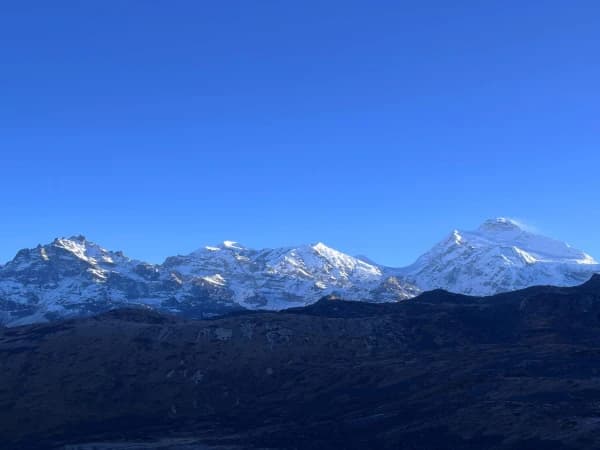
Amjilosa is a small mountain village in eastern Nepal that many trekkers pass through on their way to the Kanchenjunga Base Camp. Sitting at around 2,300 meters above sea level, Amjilosa feels like a quiet pause between the lower river valleys and the higher alpine settlements. It may not be a large village, but it plays an important role on the Kanchenjunga trekking route.
For anyone trekking inside the Kanchenjunga Conservation Area, Amjilosa is usually reached after leaving Sekathum and crossing several suspension bridges along narrow cliffside trails. The hike to this settlement is both exciting and rewarding. The path is surrounded by steep stone slopes, waterfalls, and thick forest.
Location and Trekking Route
Amjilosa lies in the Taplejung district of eastern Nepal and is part of the restricted Kanchenjunga region. Trekkers typically follow this route:
Taplejung → Sekathum → Amjilosa → Gyabla → Ghunsa
The trail from Sekathum to Amjilosa is one of the more adventurous sections of the trek. It follows the Ghunsa Khola river, with several suspension bridges and sections carved into cliffs. The terrain becomes steeper as you approach Amjilosa, and the elevation gain starts to feel noticeable.
Because of its position, Amjilosa serves as an acclimatization point before heading higher toward Gyabla and Ghunsa.
Natural Surroundings
The village is surrounded by lush green hills and thick forests. At this altitude, the vegetation begins to shift from subtropical plants to more temperate forest. Rhododendron trees, bamboo patches, and moss-covered rocks create a peaceful and slightly misty atmosphere, especially in spring.
The sound of the river is always nearby, and the area feels remote and untouched. Wildlife is also present in this region. The Kanchenjunga Conservation Area is home to rare species like the red panda, Himalayan black bear, and various bird species. While sightings are rare, the biodiversity makes the journey more exciting.
Local Life and Culture
Amjilosa is a small settlement with only a handful of houses and teahouses. The local people belong mainly to the Limbu and Rai communities. Farming and livestock are the primary sources of livelihood, with maize, millet, and vegetables grown on terraced hillsides.
Tourism provides additional income during trekking seasons. Because the village lies on the main trekking route, several families operate simple teahouses for passing trekkers. Hospitality is warm, and visitors often experience genuine mountain life here.
Life in Amjilosa is simple. There are no modern hotels, and facilities are limited. Evenings are quiet, and the atmosphere feels peaceful compared to busier trekking regions like Everest or Annapurna.
Accommodation and Facilities
Accommodation in Amjilosa is basic but comfortable enough for trekkers. Teahouses offer twin-sharing rooms with wooden beds, foam mattresses, and blankets. Bathrooms are shared, and hot showers are rarely available.
Meals are simple and filling. Dal bhat, noodle soup, fried rice, potatoes, eggs, and tea are common menu items. Since supplies are carried up by porters or mules, food options are limited compared to more developed trekking routes.
Electricity is usually solar-powered and may not always be reliable. Charging electronic devices might involve a small fee. Wi-Fi is generally unavailable, and mobile network coverage is weak or non existent.
Best Time to Visit
The best time to visit Amjilosa is during spring (March to May) and autumn (September to November). These seasons offer clear skies, stable weather, and comfortable trekking temperatures.
Spring brings blooming rhododendrons and vibrant greenery. Autumn provides crisp mountain views and dry trails. Monsoon season can make the trail slippery and risky due to heavy rainfall, while winter brings colder temperatures in higher sections.
Why Amjilosa Is Special
Amjilosa is not famous for dramatic mountain views, but its charm lies in its quiet setting and raw Himalayan atmosphere. It represents the shift from lower river valleys to higher alpine landscapes. Trekkers often remember the peaceful night spent here, listening to the river and resting before climbing further toward Ghunsa.
For those seeking a less crowded trekking experience in Nepal, Amjilosa offers authenticity, simplicity, and a deep connection to nature. It is one of those small villages that quietly supports the entire Kanchenjunga trekking journey.