

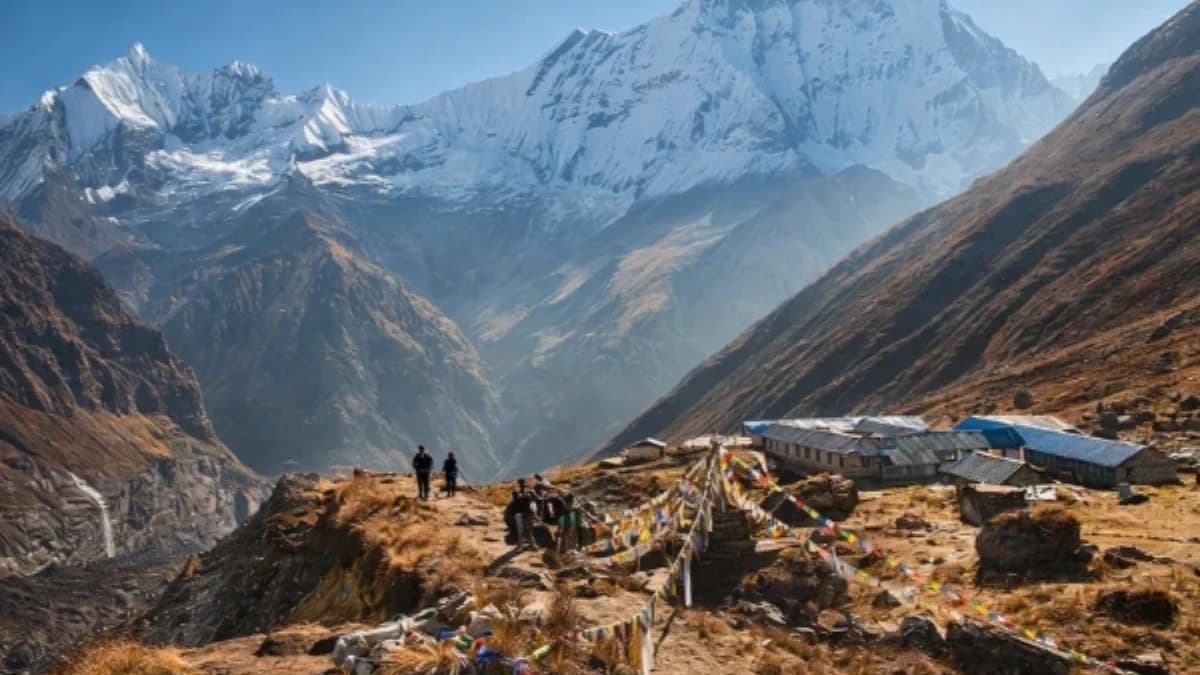
The Annapurna Base Camp (ABC) Trek is one of Nepal’s most rewarding journeys, combining dramatic mountain scenery, local culture, and well-established trekking infrastructure. Reaching the base of Annapurna I (8,091 m) is a dream for many trekkers, and the route is suitable even for beginners who prepare properly. This guide covers the cost, the day-by-day itinerary, how hard the trek really is, the best time to go, and everything else you need to know before you book.
Annapurna Base Camp Trek at a glance
- Cost: from USD $725 per person (budget), $1,310 standard, $2,095 luxury for two to four people, or $1,250, $1,725 and $3,465 if you trek alone; the price per person drops as your group grows
- Duration: 9 days Kathmandu to Kathmandu, with 7 days walking
- Difficulty: Moderate, no climbing or technical skill needed, suitable for fit first-timers
- Highest point: Annapurna Base Camp, 4,130m / 13,550ft
- Best time: September to November and March to May
- Permits: ACAP and TIMS, both arranged for you as part of the package
See the 9-Day ABC Trek & 2027 Dates or WhatsApp us for tailored dates.
How Much Does the Annapurna Base Camp Trek Cost?
Our Annapurna Base Camp Trek starts at USD $725 per person for the full 9-day private trip (two to four people; a solo trekker pays USD $1,250 on Budget). You pick one of three comfort levels, and because we price by group size, the cost per person falls the more of you trek together.
| Group size | Budget | Standard | Luxury |
|---|---|---|---|
| 1 trekker (solo) | $1,250 | $1,725 | $3,465 |
| 2–4 trekkers | $725 | $1,310 | $2,095 |
| 5–8 trekkers | $490 | $1,130 | $1,885 |
| 9–12 trekkers | $470 | $1,080 | $1,870 |
| 13–20 trekkers | $415 | $1,060 | $1,845 |
Prices are per person in USD for the 9-day trip, updated for 2027.
Budget covers the trek with comfortable teahouse lodging and all the essentials. Standard adds better-rated hotels in Kathmandu and Pokhara and a few extra comforts. Luxury uses the best available lodges and hotels with private transfers. Every tier includes your licensed guide, all permits (ACAP and TIMS), accommodation, and ground transport; see the Annapurna Base Camp Trek page for the exact inclusions in each tier.
Because we are a Kathmandu-based company that runs this trek ourselves rather than reselling it, booking direct cuts out the foreign-agency markup that can add hundreds of dollars to the same route.
Check 2027 ABC Trek Dates & Prices
How Long Is the Annapurna Base Camp Trek?
The classic Annapurna Base Camp trek takes 9 days from Kathmandu to Kathmandu, with 7 of those days spent walking. Shorter and longer versions exist, but 9 days gives a sensible pace with enough time to gain altitude gradually.
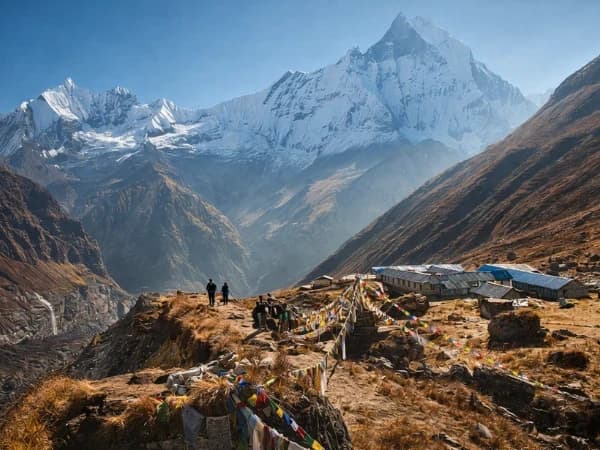
The Annapurna Base Camp Trek is widely regarded as one of Nepal’s most beautiful and culturally engaging trekking routes. The trail takes you deep into the Annapurna Sanctuary, a vast glacial valley enclosed by towering Himalayan peaks. Reaching Annapurna Base Camp feels immersive and powerful, with Annapurna I, Annapurna South, Machhapuchhre, Hiunchuli, and Gangapurna standing high in every direction. Unlike more remote or demanding treks, the Annapurna Base Camp route is well developed and supported by local villages along the way. This makes it a great option for beginners who want an authentic Himalayan trek without unnecessary risk. The scenery changes constantly, from traditional mountain settlements and bamboo forests to waterfalls and wide alpine valleys, keeping the journey engaging throughout.
How Hard Is the Annapurna Base Camp Trek? Is It Good for Beginners?
The ABC trek is graded Moderate. There is no climbing, no ropes and no technical skill required; if you can comfortably walk 4 to 7 hours a day on hills and stone steps, you can do this trek. It is one of the best first Himalayan treks for exactly this reason.
The highest point is Annapurna Base Camp at 4,130m, which is high enough to feel the thinner air but lower than the 5,000m-plus passes on treks like Everest Base Camp or the Annapurna Circuit. The 9-day itinerary builds height steadily, so your body has time to adjust. The main physical challenge is the long days of stone steps, especially the climb to and from Chomrong, so a few weeks of walking, hill training or stair work beforehand makes a real difference. Worried about the altitude? Our guides pace the ascent carefully and watch every trekker for symptoms; read our honest take in Scared of altitude? Can you still trek Nepal?
Annapurna Base Camp Trek Itinerary (Day by Day)
Here is the 9-day route we run, starting and finishing in Kathmandu. You walk roughly 4 to 7 hours on the main trekking days (Days 2 to 8); Days 1 and 9 are scenic drives between Kathmandu and Pokhara.
| Day | Route | Overnight | Altitude |
|---|---|---|---|
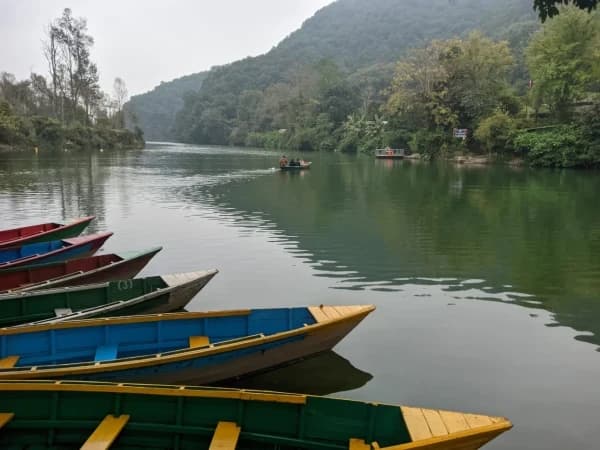
| 1 | Drive Kathmandu to Pokhara | Hotel, Pokhara | 820m |
| 2 | Drive to Nayapul, trek to Ghandruk | Teahouse, Ghandruk | 1,940m |
| 3 | Trek Ghandruk to Chomrong | Teahouse, Chomrong | 2,170m |
| 4 | Trek Chomrong to Deurali | Teahouse, Deurali | 3,174m |
| 5 | Trek Deurali to Annapurna Base Camp via Machhapuchhre Base Camp | Teahouse, ABC | 4,130m |
| 6 | Trek Annapurna Base Camp to Bamboo | Teahouse, Bamboo | 2,310m |
| 7 | Trek Bamboo to Jhinu Danda (hot springs) | Teahouse, Jhinu Danda | 1,780m |
| 8 | Trek to Nayapul, drive to Pokhara | Hotel, Pokhara | 820m |
| 9 | Drive Pokhara to Kathmandu | Trip ends | 1,400m |
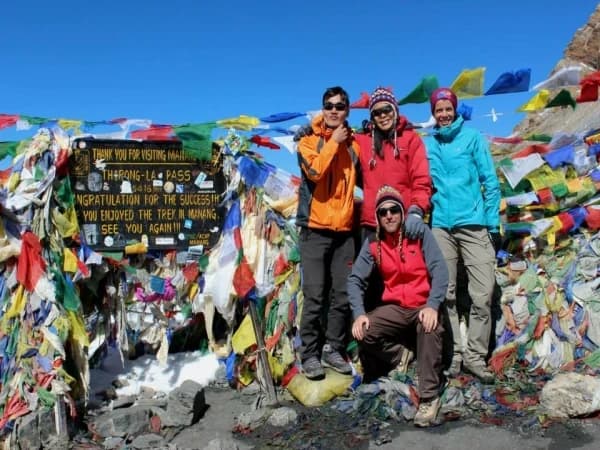
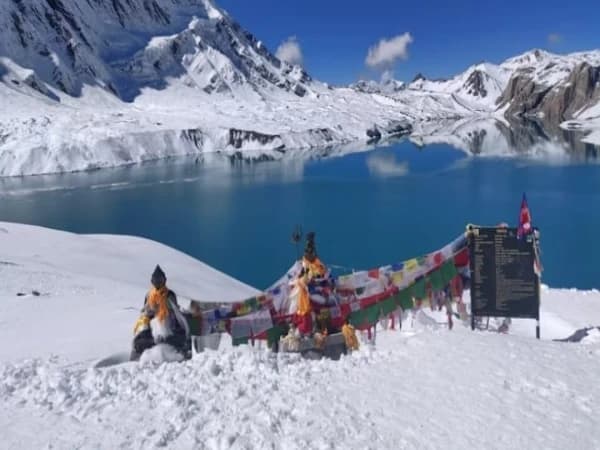
Prefer a longer adventure over Thorong La Pass, or a shorter taster? See how this route compares with the Annapurna Circuit Trek and the easier Ghorepani Poon Hill Trek further down this guide.
When Is the Best Time to Trek to Annapurna Base Camp?
The season you choose plays a major role in how enjoyable your trek will be.
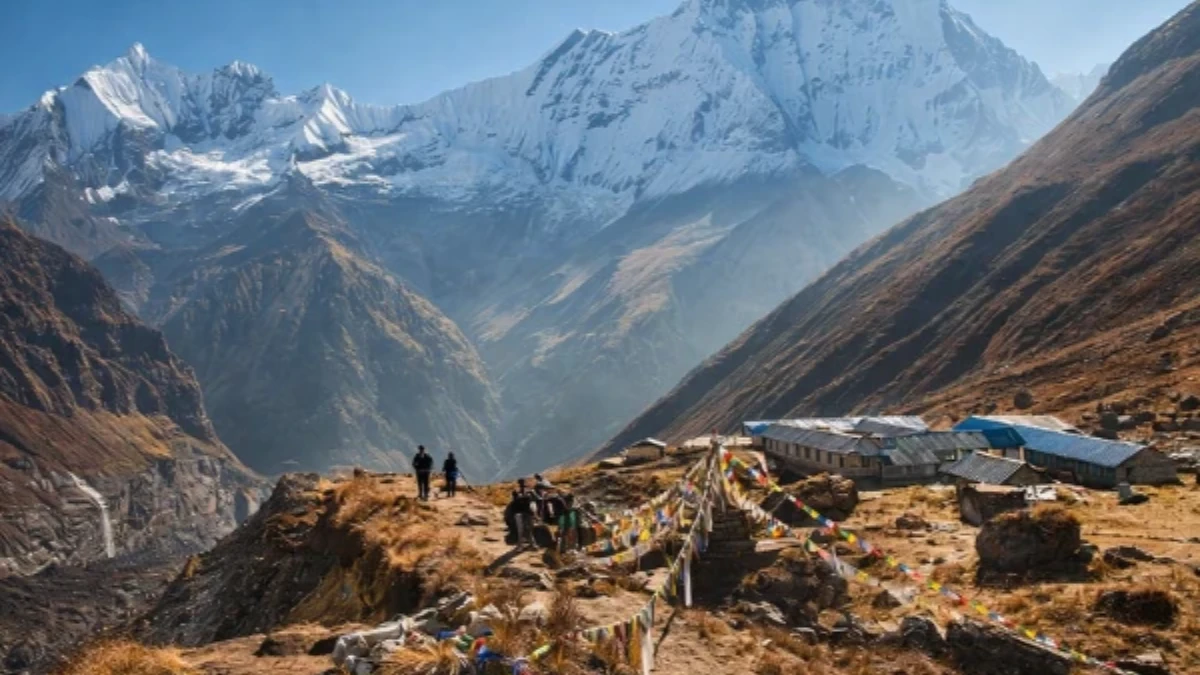
Spring, from March to May, is known for mild temperatures and forests filled with blooming rhododendrons. Lower elevations are pleasantly warm, while higher areas remain cool and comfortable for walking. While clouds can build later in the day, mornings often provide clear views of the surrounding mountains.
Autumn, between September and November, is generally considered the best time to trek. After the monsoon season ends, the air becomes clear, offering excellent visibility. Weather conditions are stable, trails are dry, and temperatures are ideal for long trekking days. This season is especially suitable for first-time trekkers and photography enthusiasts.
Winter brings colder conditions and snow at higher elevations, making the trek quieter but more challenging. The monsoon season, on the other hand, is marked by frequent rain, muddy trails, and limited mountain views.
Permits
Anyone trekking in the Annapurna region must carry the required permits.
-
The Annapurna Conservation Area Permit (ACAP) is issued to help protect the region’s natural environment and cultural heritage. The fees collected support conservation efforts, trail maintenance, and local community projects.
-
The TIMS Card is a trekking registration system used to improve safety and assist authorities during emergencies.
-
Permit checks are common along the trail, so trekkers should keep these documents easily accessible at all times. We arrange both permits for you as part of your package.
What Gear Do You Need for the ABC Trek?
Having the right equipment greatly improves comfort and safety on the trek. Many beginners either pack too much or choose gear that is not suitable for mountain conditions. The key is to focus on practical, reliable items rather than expensive brands. Gear that is lightweight, durable, and suited to changing weather conditions works best. For those who trek infrequently, renting equipment in Kathmandu or Pokhara is a practical and cost-effective option.
What Should You Wear on the Annapurna Base Camp Trek?
Weather in the mountains can change quickly, making layered clothing essential. Base layers help regulate body temperature, insulating layers provide warmth, and outer layers protect against wind and rain. Trekking pants, thermal tops, and a warm fleece or down jacket are especially important at higher elevations. Even during dry seasons, waterproof jackets and pants are strongly recommended. Footwear deserves special attention. Properly fitted trekking boots with strong grip and ankle support help prevent injuries on uneven and rocky trails. Boots should be worn and tested before the trek to avoid blisters and discomfort.
Trekking Equipment
A comfortable backpack with a supportive hip belt helps distribute weight evenly and reduces strain during long walking days. Trekking poles are useful for balance, particularly on steep descents and stone stairways. A good-quality sleeping bag is essential, especially above 3,000 metres where nighttime temperatures drop significantly. A headlamp is necessary due to limited lighting in lodges, and carrying a refillable water bottle or hydration system is strongly recommended.
Personal Items
Small personal items can have a big impact on daily comfort. Strong sunlight at higher altitudes makes sunscreen and sunglasses essential. Lip balm and moisturiser help protect against dry air and cold conditions. Trekkers should carry basic medications, blister treatment, and any altitude-related medicine after consulting a medical professional. Energy snacks can also be useful during long walking days between meal stops.
How Should You Prepare for the ABC Trek?
Good preparation makes the Annapurna Base Camp Trek far more enjoyable. Careful itinerary planning, awareness of altitude-related challenges, and organising gear ahead of time help reduce unnecessary stress on the trail. Travelling with a licensed guide adds safety and valuable local knowledge, while hiring a porter can greatly reduce physical strain by carrying heavier loads.
Fitness
Trekkers should expect to walk between five and seven hours each day over uneven terrain, including stone steps and steady uphill sections. Endurance is more important than speed. Activities such as walking, hiking, cycling, or light running before the trek help build stamina. Strengthening leg muscles and improving core stability also help with balance and reduce fatigue, particularly during long downhill stretches.
Acclimatisation
Although the Annapurna Base Camp Trek reaches a lower altitude than some other Himalayan routes, altitude sickness is still a possibility. A gradual ascent, proper hydration, and adequate rest allow the body to adjust naturally. It’s vital to pay attention to how your body feels. Symptoms such as headaches, nausea, or dizziness should not be ignored. A flexible trekking schedule helps improve safety and comfort at higher elevations.
Packing Tips
Smart packing keeps your load light and manageable. Quick-drying fabrics are more practical than cotton, which retains moisture. Rolling clothes instead of folding them helps save space in your bag. If you are trekking with a porter, pack your belongings in a duffel bag and keep essential items and valuables in your daypack. Rain protection and warm layers should always be packed, even when the weather forecast looks favourable.
What Are the Teahouses Like on the ABC Trek?
The Annapurna Base Camp route is known for its well-developed trekking facilities. This makes it suitable for travellers who prefer basic comfort without the need for camping equipment.
Tea Houses and Lodges
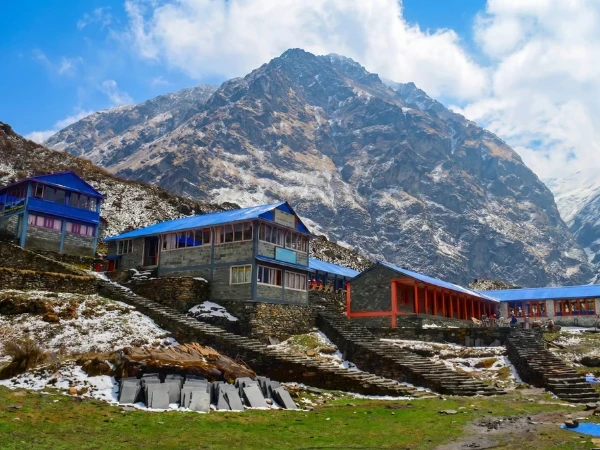
Most of the tea houses along the trail are managed by families and offer basic lodging, hot meals, and a place to rest after a long day of trekking. Rooms usually have twin beds with blankets, while shared bathrooms are more common at higher elevations. Heating is generally available in dining areas but not in bedrooms, so bringing warm sleepwear helps ensure a comfortable night.
Food and Water
Meals along the route are freshly prepared and designed to meet the energy demands of trekking. Dal bhat remains the most dependable option due to its nutritional value and availability at every stop. At higher altitudes, vegetarian meals are recommended to reduce the risk of stomach problems. Staying well hydrated is essential, and all drinking water should be treated or purified before consumption.
Communication and Internet
Mobile phone coverage generally improves as you reach larger villages, although the signal can still be inconsistent in some areas. Many tea houses offer internet access for an extra charge, but connection speeds are usually slow and best suited for basic use. Most lodges allow trekkers to charge electronic devices for a small fee. Since power availability can be limited, bringing a power bank is strongly recommended.
Is the Annapurna Base Camp Trek Worth It?
The Annapurna Base Camp Trek strikes a perfect balance between adventure, comfort, and cultural immersion. With the right preparation, suitable equipment, and a realistic mindset, trekkers of all experience levels can reach the base camp and enjoy the walk through the heart of the Annapurna Sanctuary.
Compared with the longer and more demanding Annapurna Circuit Trek, which crosses the 5,416m Thorong La Pass over two weeks or more, the Annapurna Base Camp Trek is shorter and more direct, making it an excellent choice for trekkers with limited time who still want dramatic high-mountain scenery. If you want something gentler again, the Ghorepani Poon Hill Trek shares part of the same trail, tops out far lower, and is ideal for beginners or families after classic sunrise views without the higher altitude.
For the full day-by-day itinerary and current pricing, see our Annapurna Base Camp Trek (9 Days) page. The Annapurna Base Camp trek is nine days of walking into the heart of the Himalaya: you start in green hills, pass through forests and villages, and end up in a glacial amphitheatre surrounded by 7,000 and 8,000-metre peaks. It is the best short trek in Nepal and one of the most popular treks on the planet for good reason.
Ready to walk into the Annapurna Sanctuary? Our Annapurna Base Camp Trek (9 Days) is private (your group only, no strangers), with 2027 dates open, from USD $725 per person.
View Dates & Book or WhatsApp +977 9810351300 · [email protected]
Written by Shreejan Simkhada, CEO of The Everest Holiday and third-generation Himalayan guide. TAAN Member #1586.
Comparing this with other trails? Our Nepal Trekking Holidays 2027 guide lays out every route, cost and season in one place.
The high-altitude stops before Base Camp
Two stages on the sanctuary trail deserve their own reading before you go:

 Chat with Shreejan