The question arrives with variations. "Is Nepal safe for tourists?" "Is it safe to trek alone?" "Is it safe during the election?" "Is it safe after the earthquake?" "Is it safe for women?" The anxiety behind each version is the same: I want to visit, but I am afraid. And the fear , fed by news headlines that emphasise disaster and conflict, by travel forums where worst-case scenarios are discussed with the enthusiasm of spectators at a car crash, and by the general Western nervousness about developing countries , is almost always disproportionate to the reality.
Nepal is safe. Not perfectly safe , no country is. But safe in the specific ways that matter to tourists: safe to walk the streets, safe to eat the food (with basic precautions), safe to trek the trails, and safe to trust the people you meet. The crime rate against tourists is low. The political situation, while occasionally turbulent, rarely affects visitors. And the natural hazards , altitude sickness, weather, earthquakes , are manageable with the same preparation and professional guidance that any mountain environment demands.
This guide addresses the specific safety concerns that travellers raise, with honest answers based on what we see on the ground , not what the headlines suggest from a distance.
Political Safety
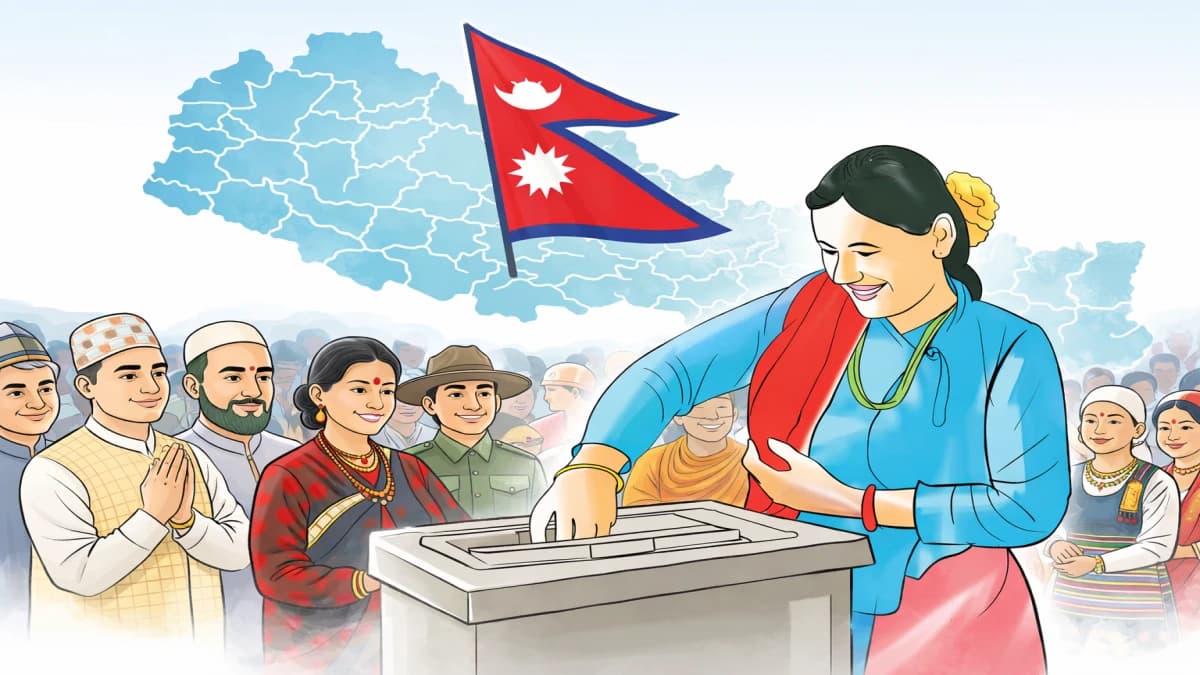
Nepal's politics are lively. The country transitioned from monarchy to republic in 2008, and the political landscape has been characterised by frequent changes of government, coalition negotiations, and occasional protests (bandhs) that can disrupt transport in Kathmandu and other cities. Elections happen regularly, and election periods are sometimes accompanied by political rallies and strikes.
The impact on tourists is almost always limited to transport disruption. A bandh (strike/shutdown) in Kathmandu may close shops and stop taxis for a day. A political rally may block a road for a few hours. These events are announced in advance (your hotel or trekking company will inform you), they rarely involve violence, and they almost never affect trekking trails, which are in rural areas far from political activity.
During election periods, the atmosphere in Kathmandu can be tense , more police on the streets, more political banners, more conversation about politics in the tea shops. But the tension is political, not criminal. Tourists are not targets of political activity. The worst that typically happens is a delayed bus or a closed shop.
Our advice: keep an eye on local news through your trekking company or hotel. If a bandh is announced, stay at your hotel, enjoy the quiet streets, and resume your itinerary the next day. If an election is scheduled during your visit, it is unlikely to affect your trek , elections happen in cities, treks happen in mountains.
Crime
Nepal has one of the lowest crime rates against tourists in South Asia. Violent crime against foreigners is extremely rare. The crimes that do occur are typically petty: pickpocketing in crowded areas (Thamel, bus stations, temples during festivals), bag-snatching from motorcycles in Kathmandu, and overcharging by taxi drivers and vendors.
Prevention is straightforward: keep valuables in a money belt or inner pocket. Do not flash expensive electronics in crowded areas. Negotiate taxi fares before getting in (or use the Pathao ride-hailing app). Lock your hotel room. And use common sense , the same common sense you would use in any city anywhere in the world.
On the trekking trails, crime is virtually nonexistent. The trail communities depend on trekking income and have strong social incentives to maintain safety. Your gear, your cash, and your person are safer on the EBC trail than in most European city centres. Teahouse theft is rare. Mugging on the trail is essentially unheard of. And the mandatory guide requirement (since 2023) means you are never walking alone without a professional who knows the trail and the communities along it.
Natural Hazards
Earthquakes. Nepal sits on the collision zone between the Indian and Eurasian tectonic plates , the same collision that created the Himalaya. Earthquakes are a geological reality. The 2015 earthquake (magnitude 7.8) killed nearly nine thousand people and caused widespread destruction. Aftershocks continued for months. The memory is raw.
The practical question: does earthquake risk make Nepal unsafe for visitors? The answer, which seismologists and tourism experts agree on, is no , not more than California, Japan, Italy, or any other seismically active region that receives millions of tourists annually. Earthquakes cannot be predicted, but building standards have improved since 2015, awareness is higher, and the trekking trails , which are in open mountain terrain, not inside buildings , are actually among the safer places to be during an earthquake.
Altitude sickness. The most common health risk for trekkers. Acute Mountain Sickness (AMS) affects the majority of trekkers above 3,500 metres. Severe forms , HACE and HAPE , are rare but potentially fatal. Prevention: proper acclimatisation (built into every responsible itinerary), adequate hydration, and a guide who monitors your symptoms with a pulse oximeter daily. Treatment: descent. The mandatory guide rule exists partly because of this risk , a guide recognises altitude sickness progression earlier than a trekker experiencing it for the first time.
Weather. Mountain weather changes rapidly. Storms can arrive at altitude with little warning. Snow can make passes impassable. Rain can trigger landslides on exposed trails. Prevention: trek in season (October-November or March-May), follow your guide's weather judgment, and carry proper rain and cold-weather gear. The weather is not dangerous. Ignoring the weather is dangerous.
River crossings and trail conditions. Suspension bridges, narrow trails above steep drops, loose scree, and glacial terrain are standard features of Himalayan trekking. They are manageable with attention, proper footwear, and a guide who knows the trail. The bridges are engineered and maintained. The trails are walked by thousands each season. The risk is real but managed , like driving a car, the activity has inherent dangers that skill and attention reduce to acceptable levels.
Safety for Women
Nepal is generally safe for women travellers, including solo women (who must now trek with a guide but can travel independently in cities). The Nepali culture is respectful toward guests , the concept of "atithi devo bhava" (the guest is god) shapes social behaviour, and harassment of female tourists is uncommon compared to some other South Asian destinations.
That said, common-sense precautions apply: dress modestly in rural areas and at religious sites (shoulders and knees covered). Avoid walking alone in unlit areas at night in Kathmandu. Be cautious with alcohol , drunk men in any country are less predictable than sober ones. And trust your instincts , if a situation feels wrong, leave it.
On the trekking trails, women are safe. The trail communities are conservative, family-oriented, and economically dependent on trekking tourism , harassing a female trekker would bring social consequences far more severe than any legal penalty. Many women trek with female guides (available on request from most companies), and the teahouse environment , communal, supervised, and populated by other trekkers , provides a social safety net that solo travel in cities does not.
Health and Hygiene
Travellers' diarrhoea affects thirty to fifty percent of visitors to Nepal. Prevention: drink only purified water (never tap water), eat food that is freshly cooked and served hot, avoid salads and raw vegetables in restaurants (they may be washed in contaminated water), and wash your hands before every meal. On the trek, teahouse food is generally safe (cooked to order at high temperatures), and water purification (tablets, SteriPEN, or filter bottle) eliminates the water risk.
Vaccinations: Hepatitis A and Typhoid are recommended for all visitors. Rabies pre-exposure vaccination is recommended for trekkers on remote routes. See a travel medicine clinic four to six weeks before departure.
Medical facilities: Kathmandu has hospitals with international-standard emergency care. On the trekking trails, the Himalayan Rescue Association operates clinics at Pheriche (EBC) and Manang (Annapurna Circuit) during trekking season. Helicopter evacuation is available from anywhere on the major trails for serious medical emergencies , your travel insurance covers this.
The Helicopter Scam
The one safety concern that is specific to Nepal trekking and that every visitor should know about: fraudulent helicopter evacuations. Some guides and teahouse owners recommend unnecessary helicopter evacuations for mild altitude symptoms, collecting commissions on the insurance claims. The practice is documented, acknowledged by authorities, and being addressed through regulation and enforcement.
Protection: choose a reputable trekking company (established reputation, verified reviews, TAAN membership). Carry your own pulse oximeter to verify readings. Know the difference between mild AMS (headache, nausea , normal above 3,500 metres) and serious altitude illness (confusion, ataxia, persistent cough with pink sputum , emergency). And if your guide recommends helicopter evacuation, ask: can we descend first? Is there a clinic nearby? A guide acting in your genuine interest will answer these questions. A guide acting on commission will push urgency.
The Honest Assessment
Nepal is one of the safest tourist destinations in Asia. The people are warm. The crime rate is low. The trekking infrastructure is mature. The natural hazards are real but manageable with professional guidance and basic preparation. And the rewards , the mountains, the culture, the food, the people, the specific quality of warmth that Nepal offers to everyone who visits , are rewards that no level of safety anxiety should prevent you from experiencing.
Every year, over a million tourists visit Nepal. The vast majority return home safely, happily, and with a determination to come back. The headlines that reach your news feed , earthquakes, political crises, helicopter scams , are real events that affect real people. But they are not the whole story. The whole story includes the teahouse owner who makes you dal bhat at 4,500 metres. The guide who checks your oxygen twice a day. The Sherpa grandmother who says namaste from her doorway. And the mountain , always the mountain , standing above it all with an indifference to human anxiety that is, paradoxically, the most reassuring thing about Nepal.
The mountain does not care whether you are afraid. It is simply there. And Nepal , safe, welcoming, and waiting , is the place where you discover that the fear was smaller than the experience, and the experience was larger than anything the fear could prevent.