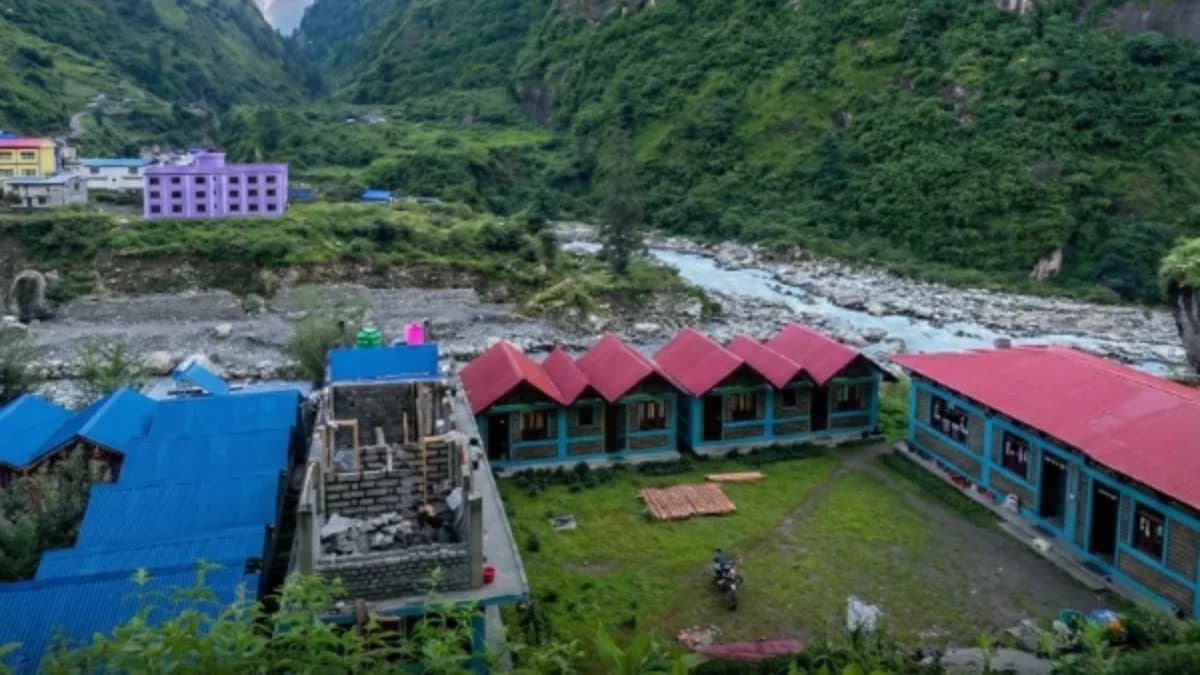
Dharapani is a charming village located in the Gorkha district of Nepal, positioned at an elevation of 1,860 meters (6,100 feet). It is the entry point for trekkers on the Manaslu Circuit Trek, offering a glimpse into Nepal’s lush mid-hill landscapes before the trail ascends into the high Himalayas. Dharapani is known for its natural beauty, cultural richness, and strategic importance on the trek. This article provides a detailed guide to Dharapani, including its geography, scenic beauty, attractions, history, cultural significance, local life, trekking routes, and accommodation facilities.
Geography and Scenic Beauty
Dharapani is situated along the Budhi Gandaki River, which flows through the Manaslu region and forms the lifeline for villages along its banks. The village is surrounded by subtropical forests, terraced fields, and rolling hills, creating a scenic panorama that marks the beginning of high-altitude trekking.
The landscape around Dharapani is rich and diverse:
-
Terraced Farmland: The hills are carved into terraces where rice, millet, and maize are cultivated, giving the village a vibrant and organized appearance.
-
Subtropical Forests: The area is covered with pine, rhododendron, and oak forests that provide shade, firewood, and habitats for local wildlife.
-
River Valleys: The Budhi Gandaki River adds charm to the scenery and supports irrigation for agriculture.
During different seasons, the scenery changes dramatically:
-
Spring (March to May): Rhododendrons and wildflowers bloom, painting the hills with bright colors.
-
Autumn (September to November): Clear skies make it perfect for trekking and photography.
-
Winter (December to February): Cold, misty mornings and occasional snow create a peaceful, serene atmosphere.
Dharapani is a transition point between Nepal’s green mid-hills and the alpine Himalayan terrain, making it a unique location for trekkers to acclimatize and enjoy early Himalayan landscapes.
Major Highlights and Attractions
1. Gateway to Manaslu Circuit Trek:
Dharapani is the first major stop for trekkers entering the Manaslu Conservation Area. It provides an easy starting point to prepare and acclimatize for the long trek ahead.
2. Budhi Gandaki River:
The river flowing through the village is not only scenic but also vital for agriculture and daily life. Its banks are ideal for a short walk or photography, and the sound of flowing water adds to the village’s serene environment.
3. Terraced Farmlands:
The terraced hills around Dharapani offer classic Nepalese scenery, with crops growing in neat rows. These fields are also home to farmers practicing traditional agriculture, which trekkers can observe firsthand.
4. Forest Trails:
Short treks from Dharapani pass through forested paths with pine, rhododendron, and oak, making them perfect for birdwatching and nature photography.
5. Early Himalayan Views:
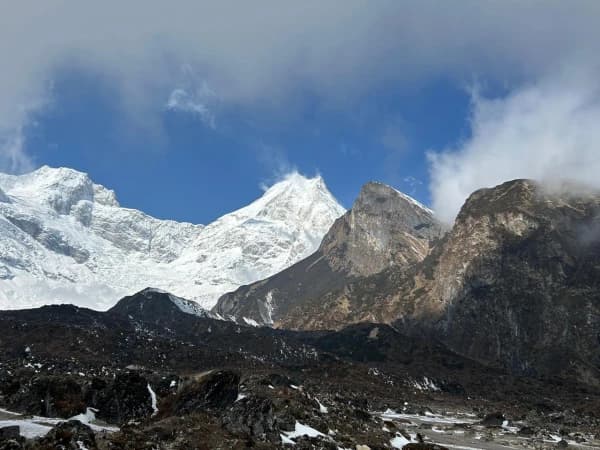
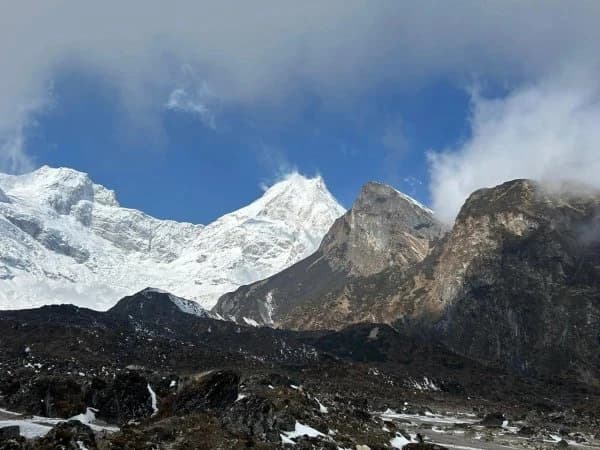
While the village itself is at a lower altitude, clear days offer glimpses of Manaslu and surrounding Himalayan peaks, giving trekkers a first view of the high mountains as they begin their journey.
6. Local Teahouses and Lodges:
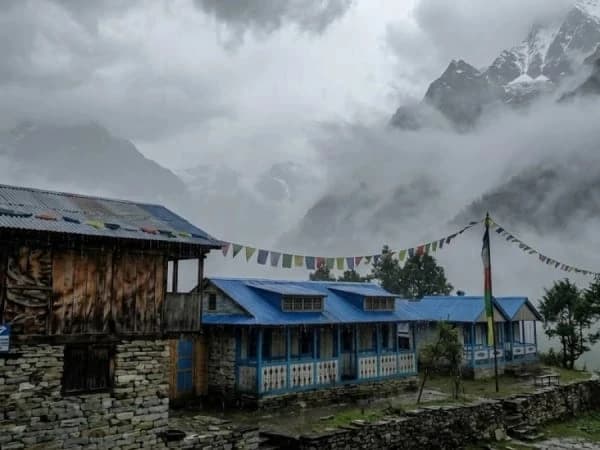
Dharapani has several simple teahouses offering food, lodging, and a place to rest. Staying here allows trekkers to adjust gradually to trekking life and prepare for the steep ascent to higher-altitude villages.
History of Dharapani
Dharapani has a rich history tied to trade, culture, and settlement patterns in the mid-hills of Nepal. Its name, “Dharapani,” comes from two Nepali words: “Dhara” meaning spring or water source and “Pani” meaning water, indicating the village’s historical importance as a settlement near fresh water.
Historically, Dharapani was part of an ancient trade route connecting the mid-hills of Nepal with high Himalayan villages and Tibet. Traders, pilgrims, and local herders would stop here to rest and resupply. The village was strategically located along the Budhi Gandaki Valley, which served as a natural corridor for movement and commerce.
For centuries, Dharapani remained a traditional agricultural village, relying on terraced farming, livestock, and small-scale trade. With the rise of trekking in the 1990s, particularly the Manaslu Circuit Trek, Dharapani became a gateway for trekkers, adding a new dimension to its history while preserving its rural charm and traditional culture.
Cultural Significance and Local Life
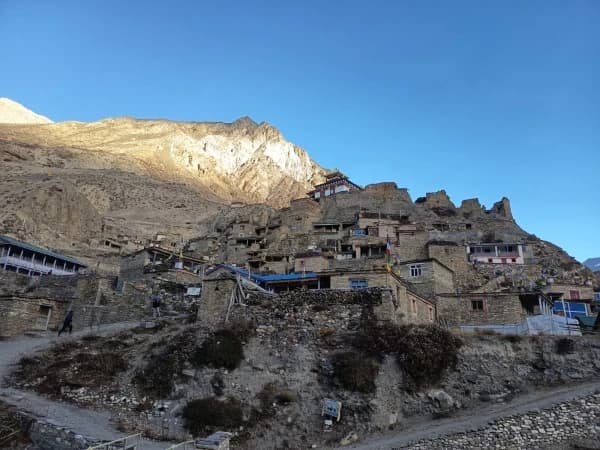
Dharapani is home to Gurung, Magar, and Tibetan-influenced communities, reflecting the cultural diversity of the Manaslu region. Both Hindu and Buddhist traditions are present, with small temples, prayer flags, and chortens marking sacred spots throughout the village.
Daily life revolves around agriculture, livestock, and small trade. Crops such as rice, millet, and maize are grown in terraced fields, while cows, goats, and chickens provide milk, meat, and eggs. Villagers also engage in handicrafts, weaving, and small trading activities, especially catering to trekkers.
Festivals are an essential part of village life:
-
Dashain and Tihar: Celebrated with rituals, family gatherings, and feasts.
-
Local Buddhist Festivals: Involve prayers at chortens and mani walls, often accompanied by community ceremonies.
Visitors to Dharapani can experience authentic rural Nepalese life, interact with friendly locals, and observe traditional agricultural practices and spiritual rituals.
Trekking Route to Dharapani
Dharapani is typically reached as part of the Manaslu Circuit Trek starting from Soti Khola or Arughat. The trek to Dharapani covers approximately 18–20 kilometers, with an elevation gain of around 1,100 meters from the starting point, depending on the chosen route. The trail passes through forests, small settlements, terraced hills, and river crossings, providing trekkers with a gradual ascent and scenic views.
From Dharapani, the next stop is usually Namrung, which lies at a higher altitude. The trail from Dharapani to Namrung becomes steeper and more challenging, signaling the beginning of high-altitude trekking. Trekkers often stay overnight in Dharapani to acclimatize before continuing to higher Himalayan settlements such as Samagaun, Samdo, Bhimtang, and Dharmashala.
The Manaslu Circuit Trek offers diverse landscapes, from subtropical forests and terraced hills to alpine meadows, glacial valleys, and snow-capped peaks. Dharapani is the gateway to this adventure, providing a first taste of Nepal’s natural beauty, culture, and trekking experience.
Accommodation and Facilities
Dharapani offers basic but comfortable accommodations for trekkers:
-
Teahouses and Lodges: Rooms typically have mattresses, blankets, and simple furnishings.
-
Meals: Dal bhat (rice and lentils), noodles, soups, Tibetan bread, and butter tea are commonly served.
-
Shops: Small stores sell snacks, tea, and trekking essentials.
Although facilities are modest, Dharapani provides a safe and comfortable starting point for trekkers. It is recommended to carry extra warm clothing, trekking gear, and personal supplies, as higher villages along the trek have limited resources.
Why Dharapani is a Must-Visit on the Manaslu Circuit
Dharapani is not just a starting point; it offers a complete Himalayan experience for those who wish to explore natural beauty, culture, and adventure:
-
Strategic location for acclimatization and preparation.
-
Scenic mid-hill landscapes with terraced fields, forests, and river valleys.
-
Cultural richness reflecting Gurung, Magar, and Tibetan traditions.
-
Gateway to high-altitude trekking, leading to Namrung, Samagaun, and beyond.
-
Photography opportunities with river valleys, forests, and Himalayan glimpses.
For trekkers, cultural enthusiasts, and nature lovers, Dharapani provides a peaceful introduction to the Manaslu region, preparing them for the higher Himalayan landscapes and challenges ahead.
Where to Stay in Dharapani
Teahouse accommodation in Dharapani is included in every Manaslu Circuit and Annapurna Circuit trek package we run. Your guide books your room on arrival, so you do not need to contact lodges directly. Dharapani sits at the junction where the Manaslu and Annapurna circuits meet, and the lodges here are well-stocked stops with twin rooms, hot meals, and a warm common room beside the Marsyangdi river.