

Short answer: Somdang is a high village at the top of the Ruby Valley below the Ganesh Himal, once a mining area and now a quiet base for the high trails. It sits near the headwaters of the Somdang Khola. Visit it on our Ruby Valley trek.
There are sections of Nepal that seem to belong to a different time. Somdang is one of those places. This village is not so much a destination as it is a discovery. It is hidden deep in a glacier fold of the Ganesh Himal. It lies at the end of the road, both literally and figuratively, where the trails of the Rasuwa district meet the jagged bones of the mountain. Somdang gives pilgrims a close look at the Himalayas that few people ever get to see. It was once a place where the earth gave up its treasures, but now only the untouched beauty of the high alpine remains.
Where Is Somdang in the Ruby Valley?
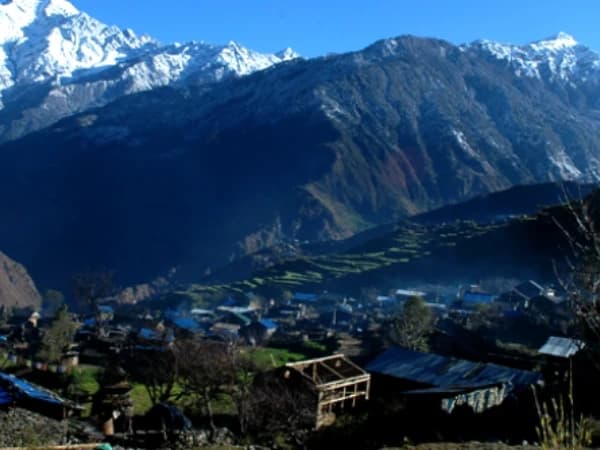
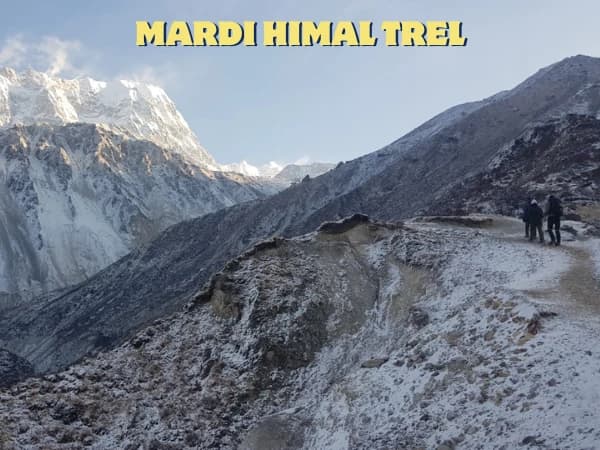
Somdang is in a unique geographical area that not many other villages can claim. It is located in the highest part of the Rasuwa area, at a remarkable height that puts it right in the trans-Himalayan zone. The town sits between steep moraines and the headwaters of the Somdang Khola, a river that flows down from the perpetual snows.
It forms a natural amphitheater in terms of geography. The country rises rapidly to the north toward the Pangsang Pass, a high-altitude threshold that leads into the strange scenery of the Ruby Valley. The village is surrounded by a fortress of unnamed peaks and sharp ridges, creating a microcosm of alpine biodiversity. Somdang's landscape is barren and dramatic, and it feels more like the sky than the earth below. The scenery is different from the forested lower hills of the Langtang region.
Accessibility
Getting to Somdang is a challenge that differentiates those who are interested from those who are dedicated. You don't just happen across it; you have to work for it.
-
The Gateway Villages: Most of the time, the journey starts at the Tamang region's cultural centre and goes through villages like Gatlang. The trail then leaves the comfort of terraced farms and goes into the woods.
-
The High Trail: The walk from Gatlang to Somdang takes a whole day and goes through different temperature zones. When trekkers leave the oaks and rhododendrons behind, they go through juniper scrub and then the dry, windswept fields of Yuri Kharka before going down into the Somdang valley.
-
The Final Approach: As you get closer to the river, the village slowly comes into view. It is a group of stone roofs gathered together to protect themselves from the weather. There are no roads here, just the murmur of the river and the crunch of boots on gravel.
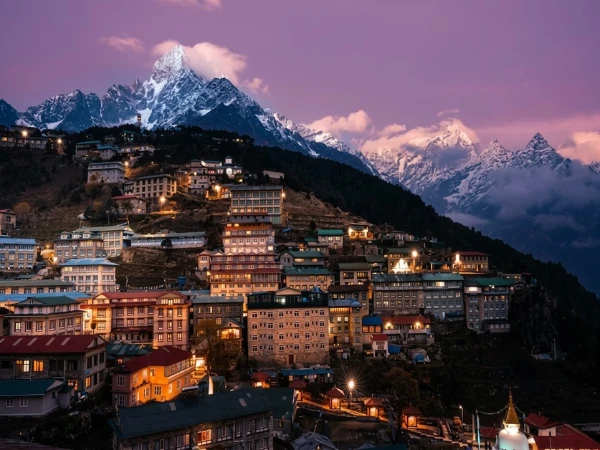
Namche Bazaar market town in the Everest region
What Facilities Are Available in Somdang?
The scenery of Somdang changes the way people think about "facilities." This is not a place to relax; it is a place to stay.
-
Basic Lodging: There are a few modest lodges and seasonal tea houses here that mostly serve hikers on the Ruby Valley circuit. These are not hotels; they are safe places. The lodges offer a cozy seating area, comfortable beds with soft blankets, and a fully equipped kitchen for preparing large meals.
-
Basic Amenities: There is no ATM, no reliable cell phone service, and no high-end stores. Solar power is widely used to make electricity, but it's not always available. The water comes straight from streams in the mountains.
-
Local Interaction: The major thing that makes this place special is the hospitality of the few families who live here in this challenging environment. They are the valley's protectors, and their tea rooms are the only place for travellers to get help.
Amazing Things to See in Samdang
The beautiful things in Somdang weren't built by people; they were made by glaciers and time.
-
The historic Somdang miners: The sides of the mountains near Somdang are full of holes where old miners used to be. These tunnels used to be a busy place for mining minerals like lead, zinc, and even silver. Now they are quiet. It's as if nature has reclaimed a ghost town of industry as you stroll around the mines.
-
The Alpine Valley Floor: Surrounded by tall mountains, the settlement sits atop a rare flat expanse of high-altitude pasture. The Somdang River cuts across this valley bottom, which provides a striking view of rocky grandeur.
-
The Pangsang Pass Viewpoint is a high hill that gives you a view of the Himalayas in all directions, including the Ganesh Himal range. You can get there by hiking up from the village. It's almost holy to watch the sunrise here.
-
The Mineral Springs: Natural springs may be found along the riverbanks, and the water is full of the minerals that originally attracted prospectors to the area. People in the area believe in their healing powers.
Major Activities to Do
Somdang is a place for people who like to be active. The main things to do come from the landscape itself.
-
High-Altitude Exploration: Spend your days climbing the ridges above the hamlet. There aren't any official trails here, just animal tracks and the need to get higher. You can see the valley below from a different angle with each step.
-
Photographing the Ghosts of Industry: Take pictures of the hauntingly beautiful entrances to abandoned mines and the rusty remains of a long-gone mining period, all set against the austere majesty of the Himalayas.
-
Meditative Solitude: Just sit by the river. At this height, the silence is deep, with just the wind and sea breaking it. It is a space to think about yourself.
-
Summit a Nearby Peak (Experienced): The non-technical slopes near Somdang offer high-altitude hikes for those seeking an adventure, making them feel like peak bagging and providing unbeatable views.
What Is Somdang Known For?
Somdang is famous for a different reason than communities that are famed for their culture or trekking paths. People like it because it's the "Miner's Ghost" of the Himalayas.
People have been talking about its mineral wealth for hundreds of years. People recognise it as the location where ancient mines once held the promise of wealth, tucked away deep within a valley that exudes a sense of utter solitude. It is well-known among trekkers as the path to go to the Pangsang Pass and the real start of the Ruby Valley wilderness. In the granite summits and dark tunnels that go into the mountainsides, you can see the bones of the earth.
Tea Houses and Accommodation
The places to stay in Somdang are useful, cozy, and very much a part of the landscape.
-
The High-Altitude Lodge: A few simple huts made of local stone are available. The walls are thick to keep the cold out, and the roofs are heavy to protect the winds from the Himalayas from blowing them away.
-
The kitchen, which is heated by a wood-burning stove, is the heart of any stay. Here, travellers come together, drink hot tea, and tell stories while the wind howls outside.
-
What to Look Forward To: Expect accommodations that are like dorms or very rudimentary private cells. Bedding is available, but you need a warm sleeping bag. Meals are basic yet filling. For example, you might have noodle soup, dal bhat, or potatoes. If the sun has been nice to the solar panels, you can typically have a hot bucket shower for a little cost.
When Is the Best Time to Visit Somdang?
In a place as rough as Somdang, timing is really important.
-
The best times for most travellers to go are in the spring (March to May) and fall (September to November). The days are clear and not too hot during these months, and there is no snow on the paths. The Ganesh Himal looks best from here.
-
Winter (December to February): The winter here is rather chilly. Snow blocks the high passes, and the temperature drops well below zero. The community is regularly shut off, and the lodges close. Only groups with all the right snow clothing should do this.
-
Monsoon (June to August): Mud and leeches slick the trails, while clouds obscure the peaks. Travel is not safe due to the potential of landslides.
Climate and weather
Somdang has a really high-mountain climate because of its height and exposure.
-
In the spring, the snow starts to melt and the days get longer. During the day, temperatures can be nice (10°C to 15°C), but at night they stay very cold.
-
The valley gets a lot of rain in the summer and monsoon seasons, and the weather is cool. Clouds typically cover the tops, and the river gets bigger with meltwater.
-
The fall weather is ideal. The air after the monsoon is clear. During the day, the sun warms things up, and at night, they get sharp and chilly.
-
The countryside is frozen in winter. During the day, it might be hard for temperatures to dip below freezing, and at night, they can plunge to -15°C or below. The valley becomes a quiet, white realm when the snow covers everything.
Related Treks & Guides
Somdang is the Ruby Valley's lesser-known spot. The alpine meadows, the old gold mines in the hills above, and the Tamang villages along the approach: it is the kind of place that makes you wonder how Nepal can have so many beautiful valleys that nobody talks about.
Somdang is on our Ruby Valley Trek.
WhatsApp:+977 9810351300
Email:[email protected]
Written by Shreejan Simkhada, CEO of The Everest Holiday and third-generation Himalayan guide. TAAN Member #1586.
Somdang sits on the Ruby Valley loop. Our Ruby Valley Trek (9 Days) is private (your group only, no strangers), 2027 dates open, From USD $560. WhatsApp us for tailored 2027 dates and current departures.
Continue planning your trek
This is one stop on the Ruby Valley and Ganesh Himal trail. For the full route, read our Ganesh Himal Base Camp guide. When you are ready for dates and prices, see the Ruby Valley Trek (9 days) or WhatsApp us directly. We reply personally.
 Chat with Shreejan