

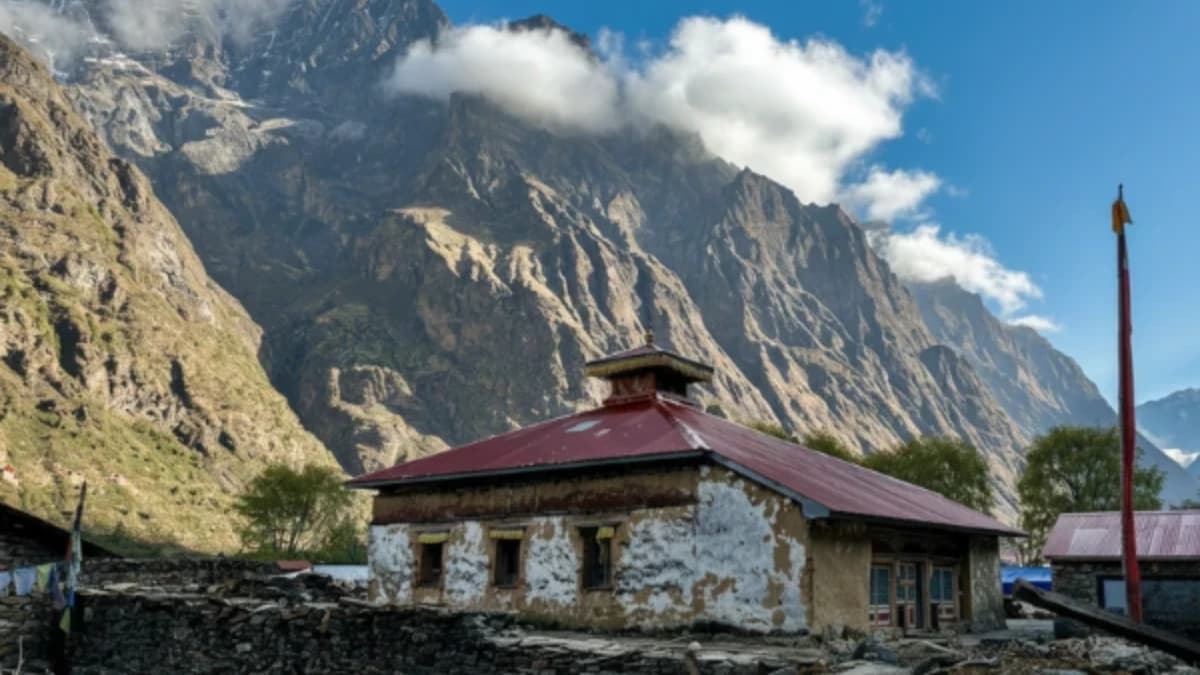
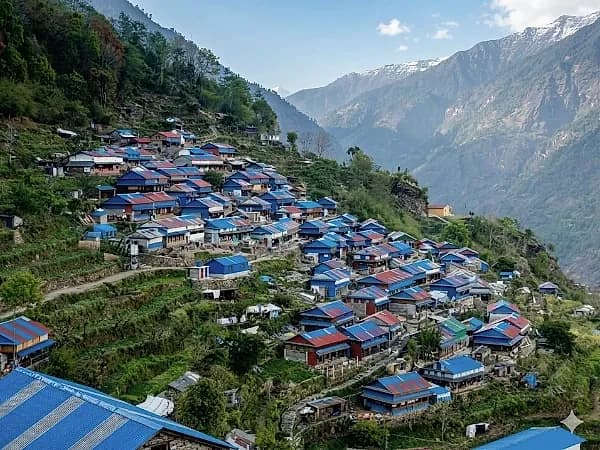
Rachen Gompa is not a monastery that appears in guidebooks or on Instagram. It is a working Buddhist nunnery in the Tsum Valley where the nuns live, study, and pray without much interest in tourism. Unlike larger monasteries in Nepal, Rachen Gompa feels quiet, intimate, and deeply personal. Surrounded by open fields, distant mountains, and traditional villages, this ancient Buddhist nunnery offers visitors a rare chance to witness a way of life shaped by faith, discipline, and isolation.
For trekkers walking the Tsum Valley route, Rachen Gompa is not simply a place to visit. It is a space to slow down, observe, and understand the spiritual foundation that defines the valley and its people.
Rachen Gompa at a glance
| Detail | Facts |
|---|---|
| What it is | A working Buddhist nunnery in the Tsum Valley, home to a community of nuns who live and study there |
| Altitude | About 3,240 m, on the floor of the Tsum Valley |
| Getting there | On the Tsum Valley trek, below Mu Gompa |
| Permits | Tsum Valley Restricted Area Permit + Manaslu Conservation Area Permit; a licensed guide is mandatory |
| Best time | Autumn (September to November) is best; spring (March to May) second |
| Nearby | Mu Gompa monastery and Nile village |
| Our trek | The 16-day Tsum Valley trek or the 19-day Tsum Valley & Manaslu Circuit |
Where Is Rachen Gompa?
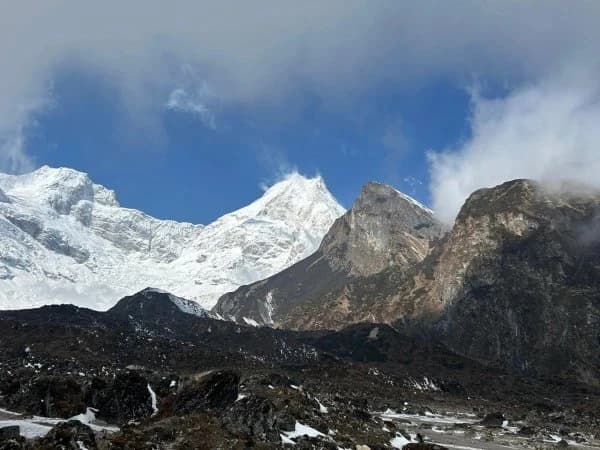
Rachen Gompa is located near Chhokangparo village in the upper Tsum Valley, at an altitude of approximately 3,240 metres above sea level. The monastery sits on relatively flat land compared to the steep gorges below, giving it a calm and open setting. From the gompa, the surrounding valley spreads wide, with cultivated fields, grazing pastures, and views of snow-covered Himalayan peaks in the distance.
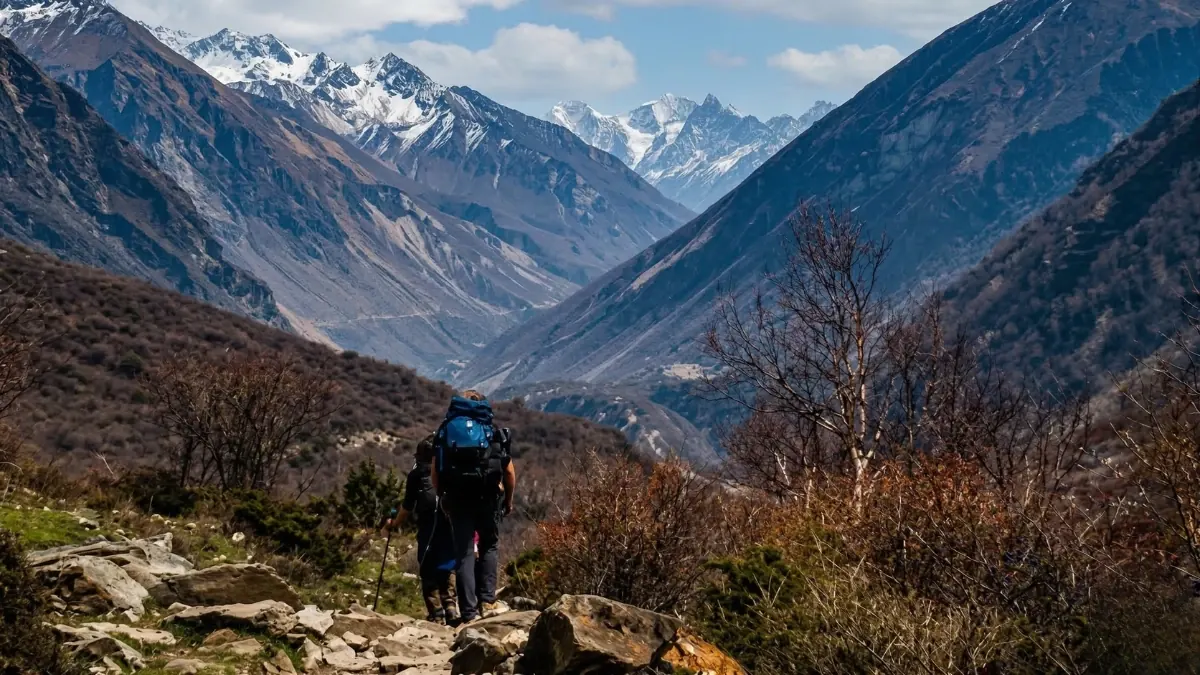
The location is significant. Rachen Gompa lies along the traditional trekking route between Chumling and Nile, making it easily accessible for trekkers while still feeling removed from the outside world. There are no roads here, and all supplies reach the monastery by foot or pack animals, preserving its peaceful atmosphere.
What Is the History of Rachen Gompa?
Rachen Gompa is believed to be several centuries old and has long served as a centre for Buddhist education and spiritual practise in the Tsum Valley. The valley itself is regarded as a sacred beyul, or hidden land, said to have been blessed by Guru Rinpoche (Padmasambhava), who introduced Vajrayana Buddhism to the Himalayan region.
While Mu Gompa is considered the main monastery of the valley, Rachen Gompa holds a unique role as a nunnery. For generations, it has provided a place for women to study Buddhist teachings, perform rituals, and live a monastic life dedicated to spiritual growth. This makes Rachen Gompa especially important in a region where religious institutions are deeply woven into daily life.
Many of the monastery’s traditions, rituals, and teachings have been passed down orally and through handwritten texts, preserving a form of Buddhism that has changed little over time.
What Is Life Like at the Nunnery?
Daily life at Rachen Gompa follows a strict but meaningful routine. The nuns rise early for morning prayers, followed by study, meditation, and communal work. Silence and mindfulness are valued, and the pace of life is slow and intentional.
The nuns are responsible for maintaining the monastery, preparing meals, caring for livestock, and supporting visiting pilgrims and trekkers. Life here is physically demanding, especially given the altitude and long winters, but it is guided by strong spiritual purpose.
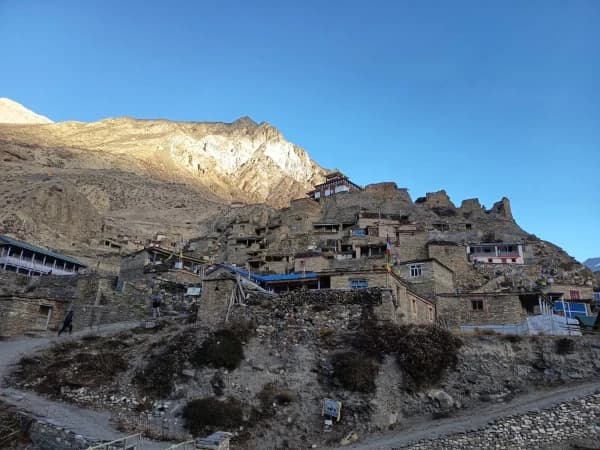
Visitors often notice the simplicity of the surroundings. The buildings are made of stone, prayer flags flutter in the wind, and the interiors are modest, with prayer halls decorated with statues, butter lamps, and faded thangkas. There is no sense of display or performance. Everything exists for practise rather than appearance.
Despite the discipline of monastic life, the nuns are known for their warmth and hospitality. Trekkers who visit respectfully are often welcomed with tea and allowed to observe prayers or daily activities, offering a rare insight into life inside a Himalayan nunnery.
Religious Significance
Rachen Gompa plays a central role in preserving Buddhist teachings in the Tsum Valley. It is closely connected to Mu Gompa and other religious sites in the region, forming a spiritual network that guides the valley’s cultural identity.
The monastery hosts regular prayer sessions, seasonal ceremonies, and special rituals during important Buddhist festivals. Local villagers visit the gompa to seek blessings, participate in prayers, and maintain their spiritual connection to the land.
The belief that violence against animals is forbidden in the Tsum Valley is strongly reinforced by institutions like Rachen Gompa. This principle has shaped the valley into a place of compassion and coexistence, where wildlife and humans live with mutual respect.
Rachen Gompa on the Tsum Valley Trek
Rachen Gompa is one of the cultural highlights of the Tsum Valley Trek. Many trekking itineraries include a visit or overnight stay near the monastery, allowing time to explore the area and understand its significance.
Trekkers often stop here after reaching Chhokangparo or before continuing toward Nile and Mu Gompa. The gentle terrain around Rachen Gompa makes it suitable for acclimatisation walks and quiet exploration.
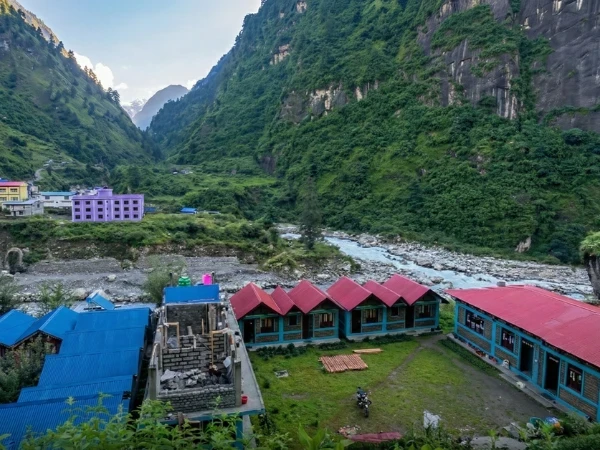
Accommodation is usually arranged in nearby teahouses rather than within the monastery itself, although basic lodging may be available for pilgrims with prior permission. Staying close to the gompa allows visitors to experience the calm atmosphere of the area, especially early in the morning when prayer chants echo softly across the valley. Related: Milarepa's Cave: The Sacred Meditation Site on the Manaslu Circuit.
Natural Environment and Surroundings
The landscape around Rachen Gompa is open and serene. Unlike the forested lower sections of the trek, this part of the valley features wide fields and rolling hills. Yaks and dzopkyos graze nearby, and the air feels noticeably thinner and cooler.
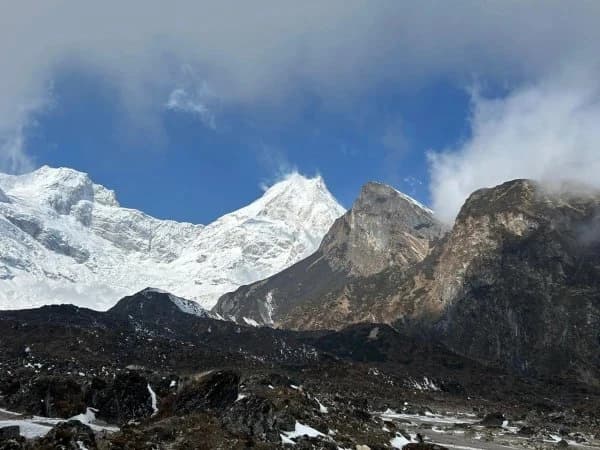
Mountain views from the area are expansive. On clear days, trekkers can see peaks from the Ganesh Himal and other surrounding ranges. The light changes dramatically throughout the day, creating beautiful contrasts between the stone buildings, green fields, and snow-covered mountains.
The quiet environment contributes to the spiritual experience. With few distractions, visitors often find themselves slowing down naturally, becoming more aware of sound, movement, and space.
What Do You Need to Know About Rachen Gompa?
Rachen Gompa lies within a restricted trekking area. Visitors must obtain the Tsum Valley Restricted Area Permit (US$40 per week in the September to November season, US$30 per week the rest of the year) and the Manaslu Conservation Area Permit, which supports the National Trust for Nature Conservation. Trekking with a licensed guide is mandatory.
Facilities are limited. Electricity is solar-powered and intermittent, and there is little to no internet access. Visitors should carry warm clothing, a reliable sleeping bag, and personal essentials.
Respect is essential. Rachen Gompa is an active religious site, not a tourist attraction. Visitors should dress modestly, speak quietly, and ask permission before taking photographs.
Why Rachen Gompa Is Worth Visiting
Rachen Gompa offers something rare in modern travel: stillness. It is a place where spiritual practise continues quietly, without interruption or performance. The monastery reflects the true heart of the Tsum Valley, shaped by belief, discipline, and respect for nature.
For travellers seeking deeper meaning beyond scenery, Rachen Gompa provides something that lingers long after the trek ends. It reminds visitors that some of the most powerful journeys are not measured in distance or altitude, but in understanding and presence.
Whether visited as part of the Tsum Valley Trek or as a cultural highlight within the Manaslu region, Rachen Gompa is a symbol of faith, resilience, and quiet strength in the Himalayas.
Related Treks & Guides
Rachen Gompa is one of the oldest nunneries in the Himalaya. The chanting at dawn, the butter lamps in the prayer hall, and the nuns who welcome trekkers with tea: it is a place where time moves differently. The Tsum Valley protected it, and the restricted area permit ensures it stays this way.
Rachen Gompa is on our Tsum Valley trek.
WhatsApp:+977 9810351300
Email:[email protected]
Written by Shreejan Simkhada, CEO of The Everest Holiday and third-generation Himalayan guide. TAAN Member #1586.
Rachen Gompa is the Tsum Valley nunnery. Our Tsum Valley Trek (16 Days) is private (your group only, no strangers), 2027 dates open, From USD $999. WhatsApp us for tailored 2027 dates and current departures.
Continue planning your trek
This is one stop on the Tsum Valley trail. For the full route, read our Manaslu and Tsum region guide. When you are ready for dates and prices, see the Tsum Valley Trek (16 days) or WhatsApp us directly. We reply personally.


 Chat with Shreejan