Namche Bazaar: The Khumbu's Beating Heart
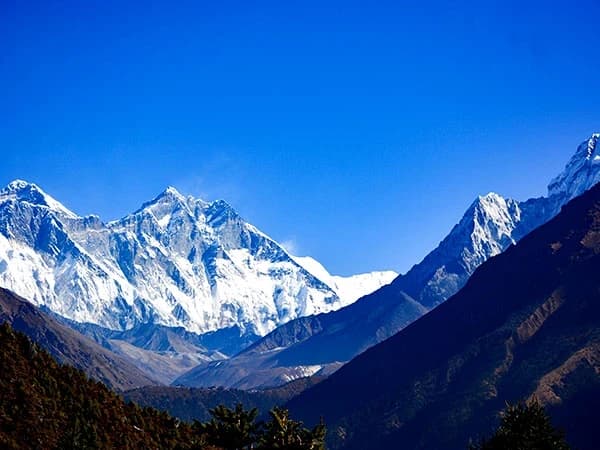
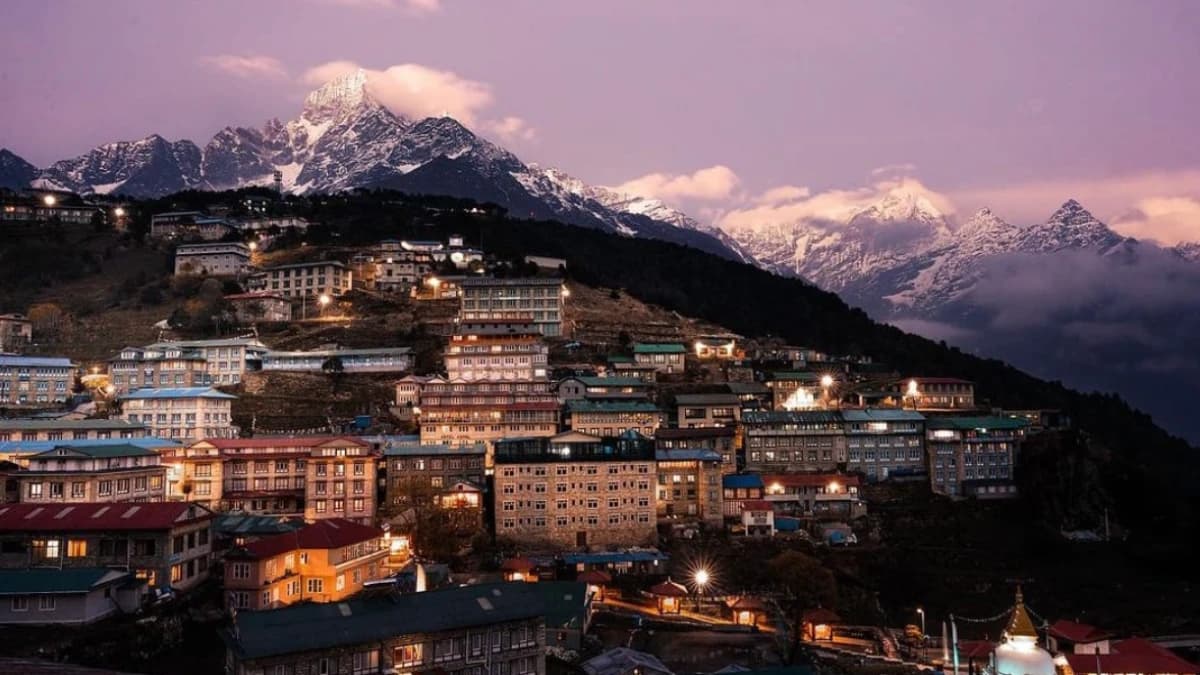
When you step into Namche Bazaar, you're not just arriving at a place; you are stepping into a living community. It's like a busy brain connection where the lifeblood of the Himalayas meets the energy of modern travelers. You can't just walk through this town. A breathtaking sight rewards the hard work of climbing up the steep, sunny, pyramid-shaped mountain from the river gorges below, which is 3,500 meters high. It is a wonderful place where countries, businesses, and people come together. The view comes first. The layout of Namche is a masterpiece of natural architecture. From almost anywhere—the window of your teahouse, the main road with its dust, the monastery's calm garden—a view of the sky opens up. Kongde Ri's huge pyramid shape stands out in the western sky, and the beautiful, symmetrical peaks of Thamserkhu mark the entrance to the valley.
On a clear morning, the walk to the National Park offices or the climb to the Syangboche airstrip slope reveals the most beautiful and famous sights: the recognizable peak of Everest over the Nuptse-Lhotse wall and the gorgeous, majestic Ama Dablam, like a heavenly mother watching over all. Here in Namche, everything is set by this daily, humbling view of the greatest mountains on earth.
Hightlight of Namche Bazaar
A Deep Cultural Experience
Namche is the center of Sherpa tradition. To really understand the people who call these mountains home, you should spend an hour at the Sherpa Culture Museum. It’s built like a traditional family home and is packed with mountaineering history and religious artifacts. For a bit of modern perspective, check out the Sagarmatha Next center, which highlights eco-tourism and creative ways the region is managing mountain waste in 2026.
The Famous Saturday Market
If you happen to be in town on a Friday evening or Saturday morning, you are in for a treat. The Hapta Bazaar (Saturday Market) is a chaotic, colorful event where traders from lower valleys and even across the Tibetan border gather. You’ll see everything from fresh produce and yak butter to handmade textiles and Chinese electronics. It’s the perfect place to see the old-world barter system still alive and well.
A Historical Gateway
Ever since the 1950s, every major Everest expedition has passed through these narrow, winding streets. Walking through Namche feels like walking through history. You’ll see the Tenzing Norgay Memorial and can visit the same spots where Sir Edmund Hillary once stayed.The town has done a good job of keeping its history while adding modern amenities like Irish pubs, German bakeries, and (usually) working ATMs.
Vibrant Market and "Mountain Luxury"
Believe it or not, you can find some of the best coffee and pastries in Nepal right here. Meeting other travelers is easy at places like the Everest Coffee Café or the German bakeries in the area.If you realized back in Lukla that you still need a better down jacket or a spare battery, Namche is your last chance to find a wide selection of gear before the shops get smaller and the prices get higher further up the trail.
The Two-Pointed Sword of Tradition and Trade
The history and present-day function of Namche as a trade center are both parts of the town's soul, which is like a double coil intertwining the two. It was once an important trading post for hundreds of years, where Nepalese grains and crafts were traded for Tibetan salt, wool, and livestock. The weekly Saturday market is still a lively reminder of this past. People speaking different languages can be heard bargaining quietly, and the air is filled with the smell of dried yak meat and raw wool, as well as the bright colors of vegetables that were brought up from villages lower down. Tibetan shops show off their beautiful metal jewelry and cloth rolls.
Many different shops have opened up along the narrow, gravel streets. There are family-run stalls selling traditional chubbas (Tibetan tunics) and handmade dokos (bamboo baskets), and there are also modern gear shops that sell the latest clothing for high-altitude climbing and rent out satellite phones. You can buy a Buddhist thangka, which is a painting that a local artist made, and then go next door to get a cylinder of air and some energy bars.
Pit Stop for Acclimatization
Namche is well known as an important tourist stop. but if you only see it as a physical need, you 're missing its greater meaning. The required days off here are a gift—an opportunity to slow down and absorb the spirit of Khumbu. The suggested relaxation hikes are trips to the culture and nature of the area. The best way to see Everest for the first time is to walk to the Everest View Hotel in Syangboche, especially if you have a coffee in your hand. But the real attractions are on the trails that fewer people have walked. The walk to the sister towns of Khumjung and Khunde goes through pine woods that smell good and ends at Khumjung Monastery, which has the famous yeti scalp, and at the hospital and school established by Sir Edmund Hillary. Kids wearing maroon outfits are playing football on a field with holy mountains in the background.
The trail to Thame goes along an old trade path to a peaceful valley with a monastery. The Mani Rimdu event in the spring is well-known there. On these walks, you can hear the rhythmic melody of prayers from a gompa, see potato field farmers at work, and feel the deep, lasting bond between the Sherpa people and their land. The Cultural Compass: The Courage and Hospitality of the Sherpa Namche is a Sherpa town at its core.
The Sherpa Culture Museum and Visitor Center, which sits above the market, is a highly significant place to go. In addition to climbing-related items, it teaches you a lot about Sherpa Buddhism, history, and the environment. You may learn about the Nyingma legacy, how important Sagarmatha National Park is, and how this community feels strongly about the environment.
The best way to experience this community is by interacting with it. The famous Sherpa hospitality is not a show for visitors; it is a way of life. The warmth of the community is evident in the smile of the lodge owner who knows your name, the grandmother who prays while spinning wool outside her house, and the laughter shared over a pot of chang, a local beer made from barley. When you stay in a hotel in Namche, you are a visitor at a high-altitude home, surrounded by a community whose bravery and gentle spirit are as grand as the surroundings they share.
Gateway of the Himalaya
Namche is the only clear path to Everest, and it vibrates with a special energy during the climbing off-season. People are telling stories in a dozen languages—the nervous excitement of hikers going up, the tired relief of people going down, and the focused determination of climbers getting ready for their summit bids. You can get apple pie and espresso, use Wi-Fi to call home, or play pool in a warm bar. It is an important support system that makes sure everyone who enters the high altitude zone starts their trip comfortably and well-prepared.
Finally, Namche Bazaar embodies the essence of a small world. It's the place where yaks and satellite phones use the same path, where the quiet of meditation lives with the noise of business, and where every visitor is briefly woven into the rich, long-lasting fabric of life in the high Himalaya. It's not just a place to rest; it's the Khumbu's lively heart, and knowing it is the first step to understanding Everest's soul.
Why Namche is a must-visit :
Stunning "High-Definition" Views
There is nothing quite like waking up in Namche. Because the town is shaped like a giant horseshoe, almost every lodge has a front-row seat to the Himalayas.
-
The Big Three: On a clear March morning, you can see Mount Everest, Lhotse, and the jagged, beautiful spire of Ama Dablam right from the ridge above town.
-
The Everest View Hotel: A short hike up to 3,880m brings you to this iconic spot. In 2026, it’s still the best place on earth to sip a $5 coffee while staring directly at the world's highest peak.
A Deep Dive into Sherpa Culture
Namche isn't just a tourist town; it's a living history book.
-
Monasteries and museums: Visit the Sherpa Culture Museum for an hour to learn about how local families have lived for hundreds of years.
-
The Saturday Market: If you’re lucky enough to be there on a weekend, you’ll see the famous market where traders from as far as Tibet arrive with yaks laden with salt, textiles, and supplies. It’s a sensory overload of colors and sounds that hasn't changed much in generations.
Mountain Luxury" Dining & Shopping
Namche is your last chance for "real world" comforts before you head into the higher, more rugged terrain.
-
The Food Scene: You can have everything from traditional Sherpa Stew (Shyakpa) and yak steaks to surprisingly delicious Japanese ramen and Italian pizza.
-
Bakeries & Pubs: The village is famous for its German bakeries (try the apple pie!) and the World’s Highest Irish Pub, which is a legendary spot for a celebratory drink on your way back down.
-
Last-Minute Gear: If your boots are blistering or you lost a glove, Namche has dozens of gear shops. Prices are higher than Kathmandu, but the selection is excellent.
Essential Acclimatization
At 3,440m (11,286 ft), Namche is where your body truly begins to adapt to the thin air.
-
Most trips include two nights here, so climb high and sleep low. This isn't just for resting; it's also for getting used to adjust in new environment.
-
Side Treks: On your "rest day," you can hike to the twin settlements of Khumjung and Khunde. You can go to the Hillary School, view the "Yeti Scalp" at the Khumjung Monastery, and then get back to Namche in time for a warm brownie and a movie at one of the local cafes.
Namche Bazaar Weather: A Seasonal Guide for Trekkers
The weather in Namche Bazaar changes dramatically throughout the year, and picking the right season can make or break your Everest experience. Here is a quick look at what to expect across the four seasons:
Spring (March to May): The Season of Blooms
This is widely considered the best time to visit. You’ll enjoy mild daytime temperatures and generally clear blue skies, making for perfect trekking conditions. The highlight of spring is seeing the hillsides come alive as the rhododendrons bloom, painting the rugged landscape with vibrant shades of red and pink.
Summer (June to August): The Lush Monsoon
The summer months bring the monsoon rains to the Himalayas. Trails can become muddy and slippery, and clouds often hide the big peaks. While it’s the most challenging time to trek due to the rain, the mountains are incredibly green, the waterfalls are at their peak, and you’ll have the trails and tea houses almost entirely to yourself.
Autumn (September to November): The Peak Window
As the rains fade, autumn brings the most stable weather of the year. The air is crisp, the visibility is at its sharpest, and the mountain views are simply unbeatable. Because of these ideal conditions, this is the busiest season in Namche, drawing trekkers and climbers from all over the world.
Winter (December to February): Cold and Quiet
Winter in Namche is for those who don't mind the bite of the cold. While daytime temperatures are manageable in the sun, nights drop well below freezing. However, the reward for braving the chill is a serene, snow-covered landscape and incredibly clear skies, offering a peaceful experience away from the peak-season crowds.
Top Tips for Your Stay in Namche Bazaar
Respect the Altitude
At 3,440 meters, your body is working much harder than usual. The best way to stay healthy is to take things slow and stay hydrated—aim to drink at least 3 to 4 liters of water a day. While it might be tempting to rush, avoid overexerting yourself. Remember, the goal in Namche is "active rest" to help your lungs adjust to the thin air.
Layer Up for Every Weather Scenario
The weather in the Himalayas is famously unpredictable. Even on a sunny day, the temperature can plummet the second a cloud passes over or the sun dips behind a ridge. Make sure you have a versatile layering system in your pack, including a moisture-wicking base layer and a solid windproof jacket, so you can adapt quickly to changing conditions.
Embrace the Local Culture
Namche is the heart of Sherpa land, and a little respect goes a long way. Always walk to the left (clockwise) of prayer wheels, mani stones, and chortens. A warm, smiling “Namaste” is the best way to connect with the locals. Being mindful of these small traditions will make your experience much more meaningful and welcoming.
Getting the Route to Namcha Bazaar
The Popular Route: By Air to Lukla
The vast majority of trekkers choose to fly into Tenzing-Hillary Airport (Lukla). It is fast, scenic, and drops you right at the gateway to the high Himalayas.
-
The Flight: A 35-minute flight from Kathmandu (or a 20-minute flight from Ramechhap during peak seasons) offers incredible aerial views of the Himalayan range.
-
The Trek: From Lukla, it is a two-day journey to Namche Bazaar.
-
Day 1: A relatively easy 3–4 hour descent/flat walk to Phakding (2,610m).
-
Day 2: A challenging 6–7 hour climb through Monjo and across the high Hillary Suspension Bridge to reach Namche Bazaar (3,440m).
The Adventurous Route: By Trek (Overland)
If you have extra time or want to avoid the unpredictability of Lukla flights, you can reach Namche entirely by land. This is the "classic" approach used by early expeditions.
The Jiri Route (7–10 Days)
Following the footsteps of Sir Edmund Hillary, this route starts with an 8-hour drive to Jiri.
-
The Experience: You’ll trek through deep valleys and over high ridges like the Lamjura La (3,530m).
-
The Benefit: It offers the best possible physical conditioning and acclimatization. By the time you reach Namche, you'll be significantly fitter than those who flew in.
The Salleri / Surkhe Shortcut (3–4 Days)
In 2026, the road has extended further into the region, making the "drive-in" option more popular.
-
The Drive: Take a jeep from Kathmandu to Salleri or even as far as Tham Danda/Surkhe.
-
The Trek: From Surkhe, it is only a few hours of walking to join the main trail at Chheplung, followed by the standard trek up to Namche.
-
The Benefit: It’s budget-friendly and much more reliable than flying during the "shoulder" seasons when clouds ground the planes.
Conclusion
Namche Bazaar is far more than just a logistical stop on the way to Everest; it is the soul of the Khumbu. It offers a rare and beautiful blend of rugged adventure, deep-rooted Sherpa culture, and a level of comfort you wouldn’t expect to find at 11,000 feet.
Whether you’re watching the sunrise hit the peak of Ama Dablam, sharing a meal in a warm tea house, or browsing the vibrant Saturday market, Namche leaves an impression that stays with you long after you’ve descended. It’s the place where the scale of the Himalayas truly sinks in and where your body prepares for the challenges ahead.
So, double-check your gear, embrace the "slow and steady" pace, and get ready for an unforgettable experience. The gateway to the world’s highest peaks is waiting for you.
Hotel & Contacts & Location
|
Hotel |
Contacts |
Location |
|
Hotel Namche |
|
|
|
Khumbu Lodge |
|
|
|
Hotel Sherpaland |
|
|
|
Hotel Camp de Base |
|
|
|
Alpine Lodge |
|
|
|
Hotel Himalayan Culture Home |
|
FAQs about Namche Bazaar
How long does it take to walk from Lukla to Namche Bazaar?
The journey usually takes two days. Most trekkers spend the first night in Phakding (about 3–4 hours from Lukla) to ease into the trek. The second day is a more strenuous 6–7 hour climb that includes crossing the high Hillary Suspension Bridge and a final, steep ascent into Namche.
Is Namche Bazaar actually a good place for acclimatization?
It’s the best place on the trail for it. At 3,440 meters, it’s the "sweet spot" where your body first needs to adapt. Because Namche has great cafes, museums, and nearby peaks for "climb high, sleep low" day hikes (like the Everest View Hotel at 3,880m), you can acclimate effectively without being bored or uncomfortable.
Are there ATMs and internet facilities in town?
Yes, but they are "mountain reliable," which means they work about 80% of the time.
- ATMs: There are several in town (Standard Chartered and Nabil Bank are usually best). However, they can run out of cash during peak season or go down during power cuts. Tip: Withdraw your main budget in Kathmandu and use these only as a backup.
-
Internet: Most lodges use Everest Link or Airlink cards. In 2026, 4G coverage (Ncell and NTC) is quite good in town, but speeds will fluctuate.
What kind of medical facilities are available?
Namche is well-equipped for its location. The Namche Community Hospital and various local clinics specialize in high-altitude medicine and basic trauma. If you’re feeling unwell, this is the place to speak to a professional. For anything life-threatening, Namche is a primary hub for helicopter evacuations to Kathmandu.
How high is the risk of altitude sickness in Namche?
The risk is moderate but real. This is the first elevation where many people notice symptoms like a "nagging" headache or shortness of breath. The key is to stay for two nights, drink 3–4 liters of water daily, and avoid alcohol. If symptoms worsen, do not go higher—Namche is the best place to rest until you feel 100%.
Can I find trekking gear and supplies there?
Absolutely. Namche is a gear-head's paradise. You’ll find everything from genuine brand-name outlets (The North Face, etc.) to local shops selling hand-knitted woolens and knock-off down jackets. Prices are higher than Kathmandu but fair, making it the perfect place to pick up anything you forgot or realized you needed (like extra warm socks or a better headlamp).