

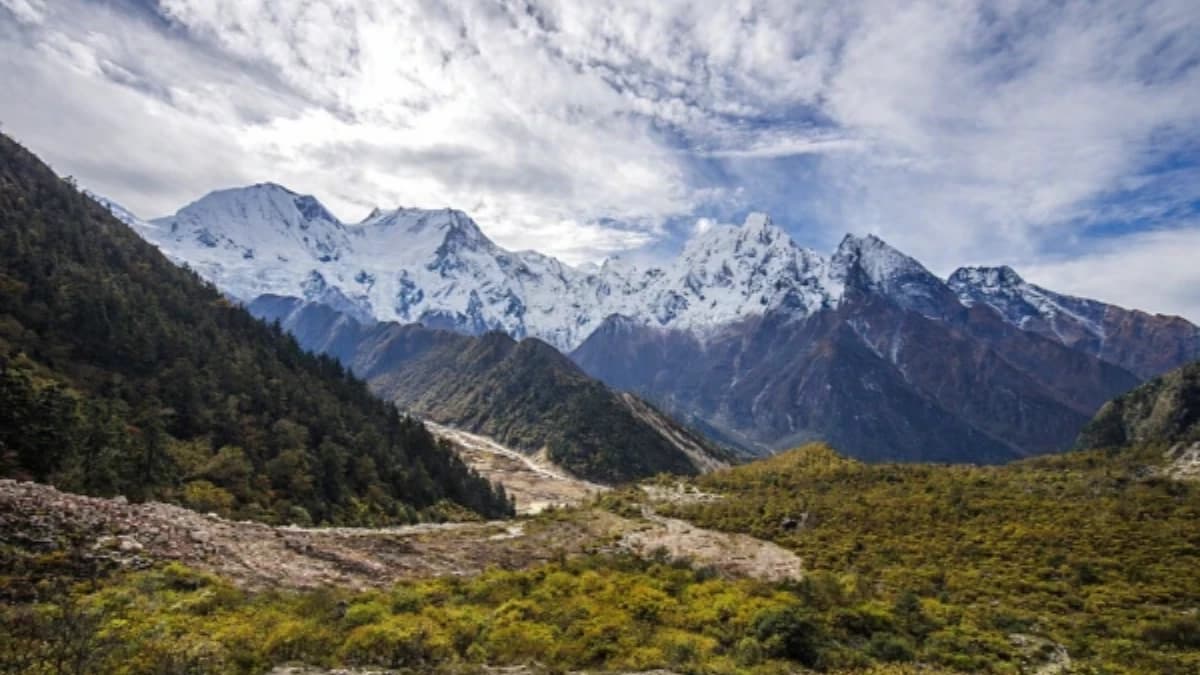
Hidden in the northern Himalayas of Nepal, the Manaslu Conservation Area is one of the country’s most remarkable yet less explored trekking regions.The eighth-highest peak in the world is Mount Manaslu, which is 8,163 metres high. This protected area allows visitors a rare chance to observe a natural environment that hasn't been changed, learn about the culture of the mountains, and stroll on quiet routes away from the crowds of tourists.
Unlike many popular trekking destinations, the Manaslu region still feels raw and authentic. Villages remain deeply connected to ancient traditions, and daily life follows rhythms shaped by mountains, seasons, and spirituality. For trekkers searching for genuine Himalayan experiences, Manaslu stands out as a destination where nature and culture exist in close harmony.
What Is the Manaslu Conservation Area?
The Manaslu Conservation Area stretches across roughly 1,663 square kilometres, covering a dramatic range of landscapes. Elevation rises from warm river valleys around 600 metres to the towering summit of Mount Manaslu above 8,000 metres. This massive altitude variation creates an extraordinary diversity of ecosystems within a relatively small area.
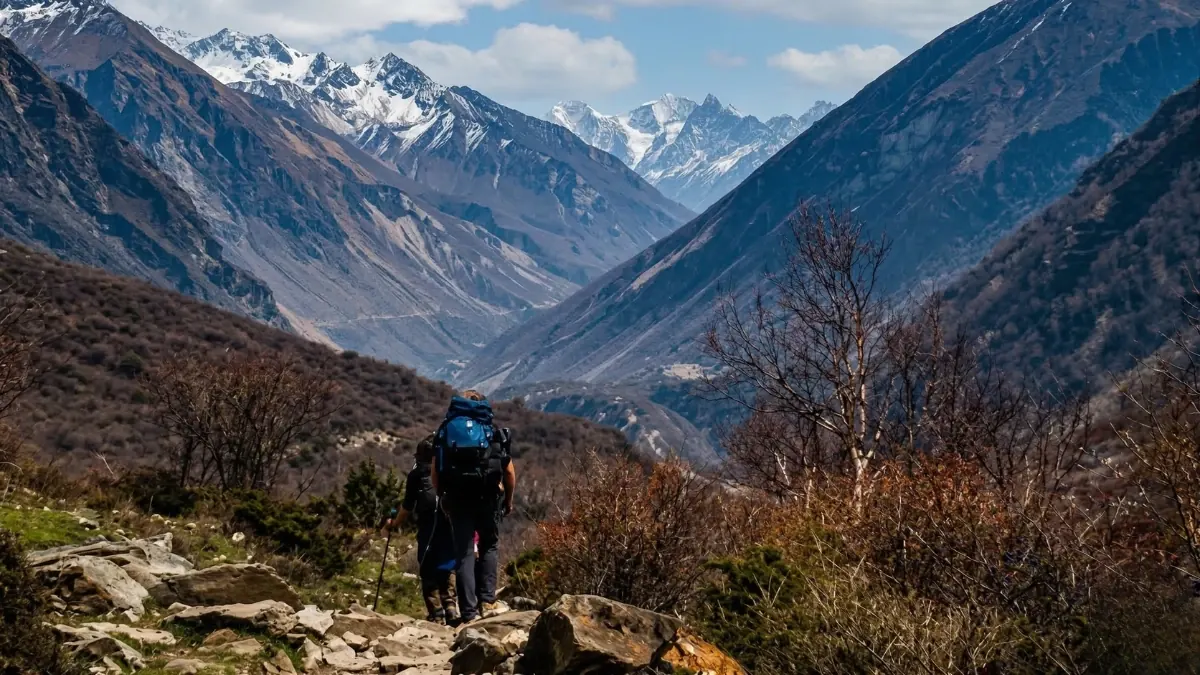
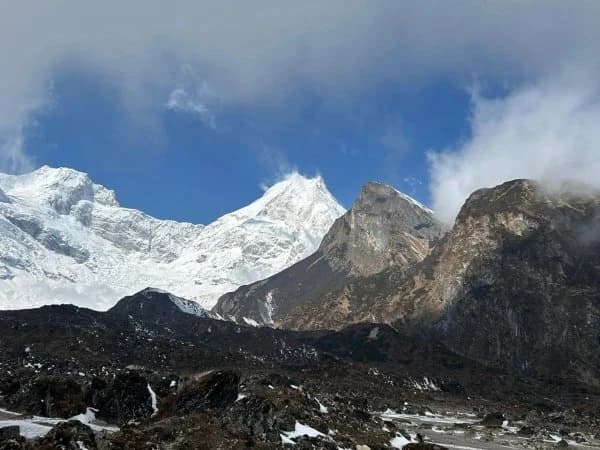
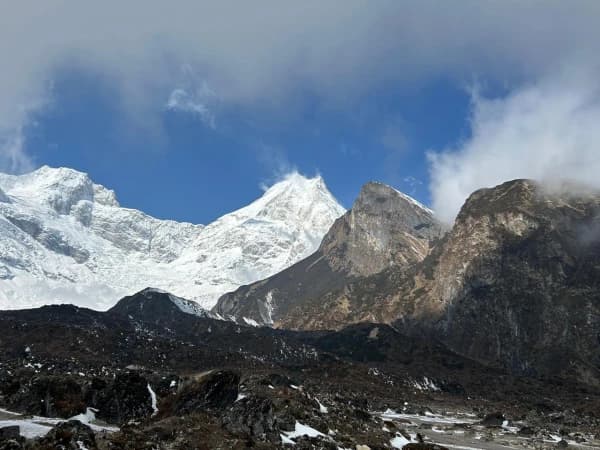
Lower sections of the region are filled with subtropical forests, waterfalls, and terraced farmland. As trekkers move higher along the Budhi Gandaki River, the scenery gradually changes into pine forests, alpine meadows, glacial valleys, and high mountain terrain. Snow-covered peaks dominate the horizon, including Himal Chuli, Ngadi Chuli, and the Ganesh Himal range.
The walk through Manaslu feels like travelling across multiple worlds in a single trek. Deep gorges, suspension bridges, roaring rivers, and quiet highlands continuously reshape the landscape, keeping every stage of the trail visually engaging.
What is the culture like in the Manaslu Conservation Area?
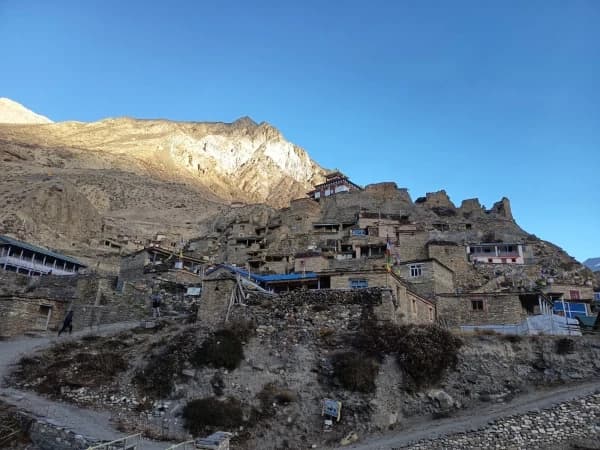
One of the most fascinating aspects of the Manaslu Conservation Area is its cultural richness. Communities living in upper villages such as Sama Gaon, Samdo, and Lho share strong historical and cultural ties with Tibet. Tibetan Buddhism influences architecture, language, clothing, and daily rituals throughout the region.
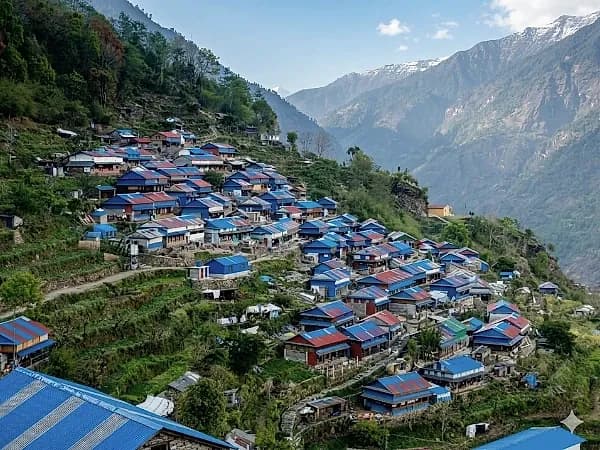
Prayer flags float above rooftops, and mani walls line the walking pathways. Stone-built cottages are clustered under steep hillsides.Monks have been visiting to ancient monasteries to pray and hold rites for hundreds of years.
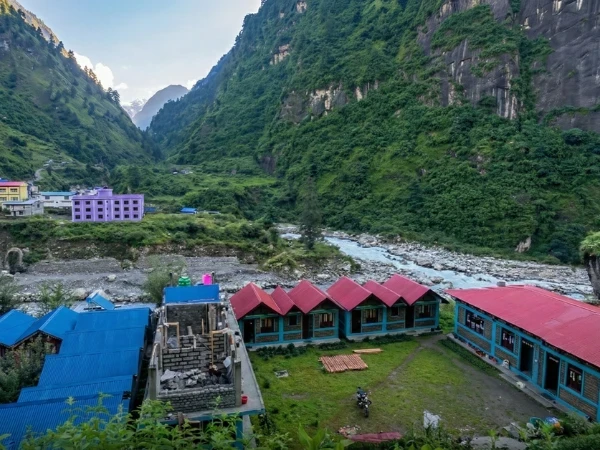
Life here remains closely connected to nature. Farmers grow barley, potatoes, and buckwheat during short growing seasons, while yaks and sheep provide transport, wool, and food. Community cooperation plays an important role in survival, especially during harsh Himalayan winters.
Festivals based on the Tibetan lunar calendar bring villages together through prayer gatherings, traditional music, and shared meals. Visitors often notice the calm rhythm of life, shaped less by modern schedules and more by tradition and environment.
What wildlife can you see in the Manaslu Conservation Area?
The conservation area protects an impressive variety of plant and animal species. Because the region crosses several climatic zones, it supports rich biodiversity rarely found in one trekking region.
Wildlife sightings are never guaranteed, but the area is home to snow leopards, Himalayan tahr, blue sheep, musk deer, and Himalayan black bears. The elusive red panda inhabits forested sections at mid-elevations, while colourful Himalayan birds, including the national bird Danphe, are commonly seen.
During spring, rhododendron forests bloom with lively colours, transforming hillsides into natural gardens. Alpine grasslands and wildflowers appear in higher elevations, attracting birds and insects that contribute to the region’s ecological balance.
What is the Manaslu Circuit Trek like?
The Manaslu Circuit Trek is the primary trekking route within the conservation area. Beginning in lower river valleys, the trail gradually ascends through traditional villages toward high Himalayan terrain before crossing the challenging Larkya La Pass at 5,160 metres.
Trekkers experience remarkable diversity along the route. Early days involve lush forests and farming communities, while later stages reveal glaciers, barren highlands, and expansive mountain views. Compared to more commercial trekking areas, Manaslu remains quieter, allowing travellers to enjoy nature without large crowds.
Because the area is designated as a restricted region, trekkers must travel with a licensed guide and proper permits. This regulation helps protect local culture while ensuring safer travel in remote terrain.
What permits do you need to trek the Manaslu region?
Trekking in the Manaslu region requires several permits to protect both nature and culture. Trekkers must travel with a registered guide through a licensed trekking agency.
Required Permits
| Permit | Name | Purpose Requirement |
| Manaslu Conservation Area Permit (MCAP) | Entry to conservation area | Mandatory |
| Restricted Area Permit (RAP) | Special access to upper Manaslu | Mandatory |
| Annapurna Conservation Area Permit (ACAP) | Required after crossing Larkya La Pass | Mandatory |
| Licensed Guide | Safety and regulation | Compulsory |
Permit costs vary depending on season and trekking duration, especially for the Restricted Area Permit.
Best Time to Visit Manaslu Conservation Area
| Season | Months | Conditions | Highlights |
| Spring | March – May | Stable weather, mild temperatures | Rhododendron blooms and clear views |
| Autumn | September – November | Best trekking season | Excellent visibility and comfortable trekking |
| Winter | December – February | Very cold, heavy snow at high passes | Quiet trails, challenging conditions |
| Monsoon | June – August | Rain in lower areas | Lush landscapes but slippery trails |
Spring and autumn are considered the best seasons due to stable weather, safe trail conditions, and outstanding mountain views.
Where Can You Stay in the Manaslu Conservation Area?
Accommodation throughout the Manaslu Conservation Area mainly consists of locally operated teahouses. Rooms are simple, usually furnished with twin beds, mattresses, and warm blankets. Facilities vary depending on altitude, with larger villages offering slightly more comfort than smaller settlements.
Meals are hearty and designed for trekking energy needs. Dal bhat remains the most common dish, alongside noodles, soups, potatoes, Tibetan bread, and seasonal vegetables. Solar energy provides electricity in many villages, though charging devices and internet access may be limited. Hot showers are available in some places but not guaranteed at higher elevations.
Although facilities are basic, the welcoming nature of local hosts creates a warm and memorable environment. Many trekkers find that shared dining spaces and evening conversations become highlights of the journey.
Conservation and Responsible Tourism
The Manaslu Conservation Area operates under a community-based conservation model. Local residents actively participate in protecting wildlife, forests, and cultural heritage while benefiting from sustainable tourism.
Visitors play an important role by respecting traditions, minimising waste, and supporting local businesses. Responsible trekking helps maintain environmental balance and means that future generations can continue to experience this unique Himalayan region.
Why Should You Trek in the Manaslu Conservation Area?
The Manaslu Conservation Area represents a different side of Nepal’s Himalayas. It is a place where towering mountains, ancient traditions, and untouched landscapes come together to create a deeply rewarding travel.
For trekkers seeking authenticity, cultural immersion, and peaceful mountain trails, Manaslu offers something increasingly rare in modern travel. The region’s combination of natural beauty and living heritage makes it not only a trekking destination but also a way into the heart of Himalayan life.
Related Treks & Guides
The Manaslu Conservation Area is the reason the Manaslu Circuit still feels wild. The restricted area permit keeps numbers low, the conservation fee funds trail maintenance and local projects, and the result is a trek that feels the way the Annapurna Circuit felt twenty years ago: uncrowded, unspoiled, and genuinely remote.
We handle all restricted area permits for the Manaslu Circuit Trek.
WhatsApp:+977 9810351300
Email:[email protected]
Written by Shreejan Simkhada, CEO of The Everest Holiday and third-generation Himalayan guide. TAAN Member #1586.
Manaslu Conservation Area is our trek home. Our Manaslu Circuit Trek (12 Days) is private (your group only, no strangers), 2027 dates open, From USD $1,005. WhatsApp us for tailored 2027 dates and current departures.


 Chat with Shreejan