

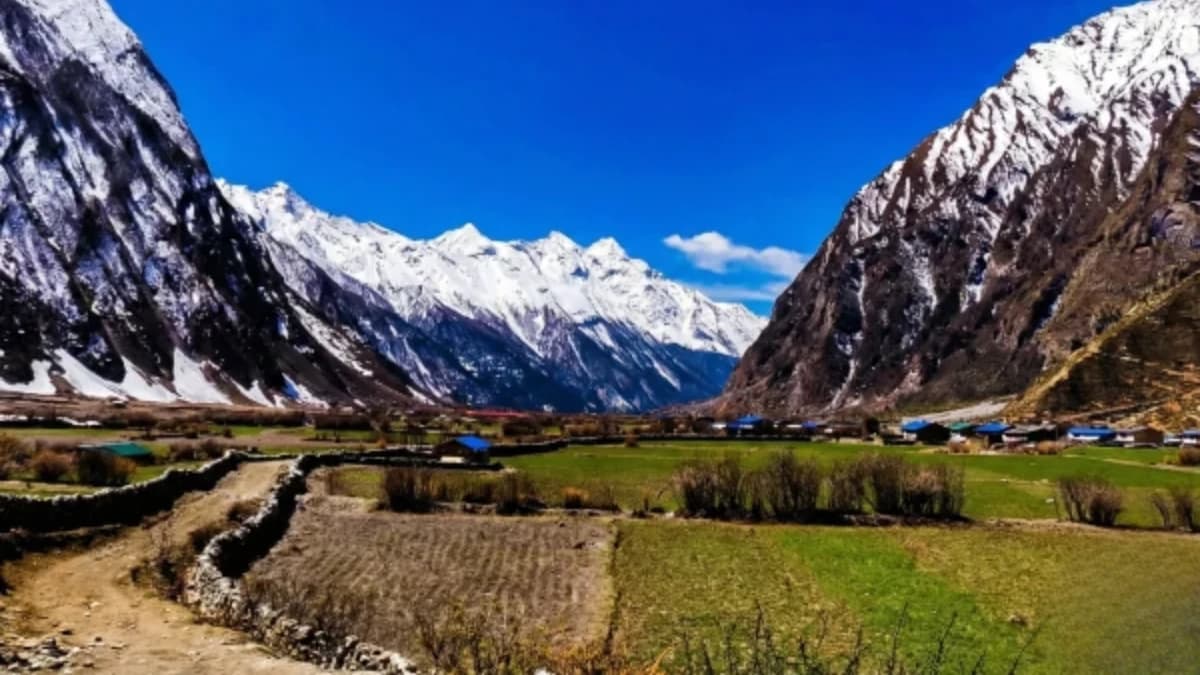
Lokpa is the kind of village where the lodge owner knows your name by the time you sit down for tea, because you might be the only trekker who has come through this week. In the lower Tsum Valley, far from the busy trails of Annapurna or Everest, Lokpa offers a rare glimpse into traditional Tibetan-Buddhist life, high-altitude landscapes, and a way of life that has barely changed in centuries. Combined with the larger Manaslu Circuit Trek, visiting Lokpa becomes more than a hike it’s an opportunity to take part in the culture, spirituality, and daily life in one of Nepal’s most untouched regions.
Where Is Lokpa in the Tsum Valley?
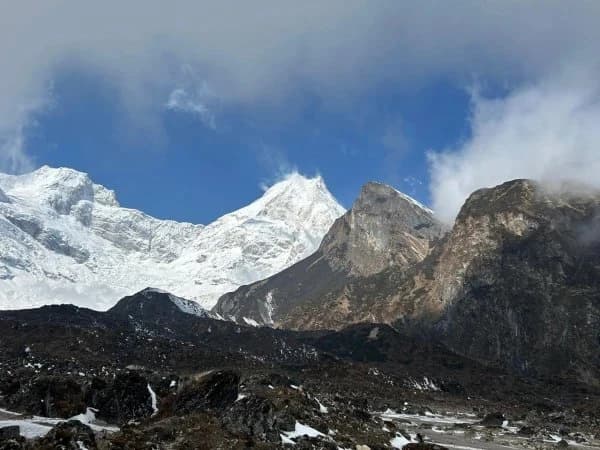
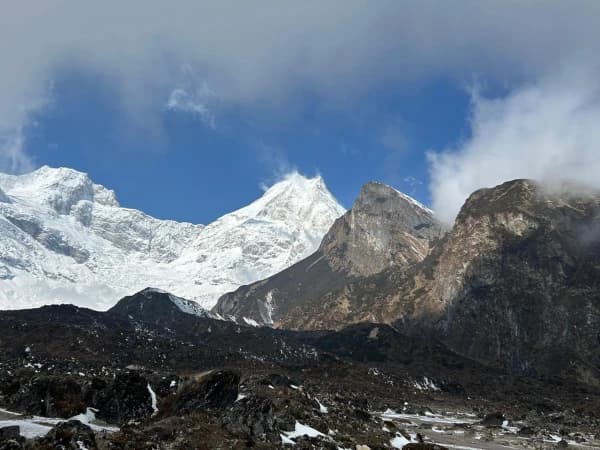
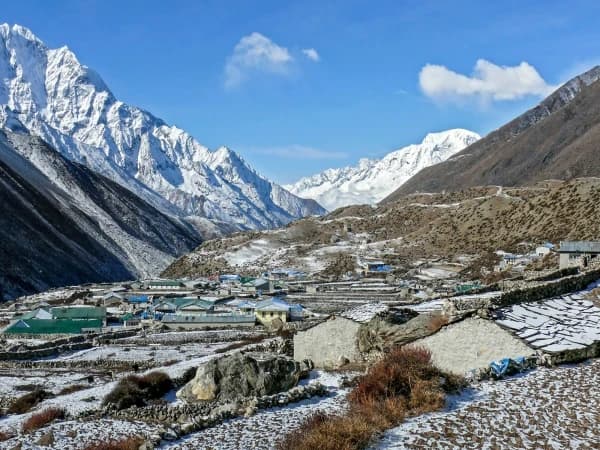
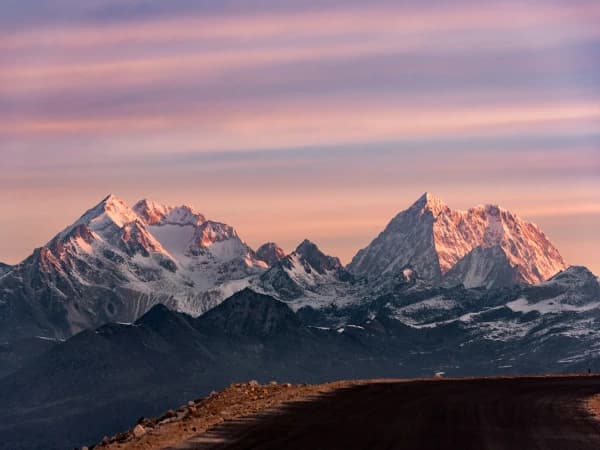
Lokpa lies at an altitude of approximately 3,650 metres in the northern part of the Tsum Valley, which itself is a northern corridor of Gorkha district. The village is surrounded by dense forests, terraced fields, and rugged mountain peaks that rise dramatically in the distance. The Tsum Valley is framed by the Himalayas to the north and the Manaslu range to the south, providing trekkers with wide-open views of the Manaslu range at every turn. Its location makes it one of the most secluded settlements, accessible only via trekking trails rather than motor roads, which helps preserve its traditional lifestyle and peaceful environment.
What is the cultural significance of Lokpa village?
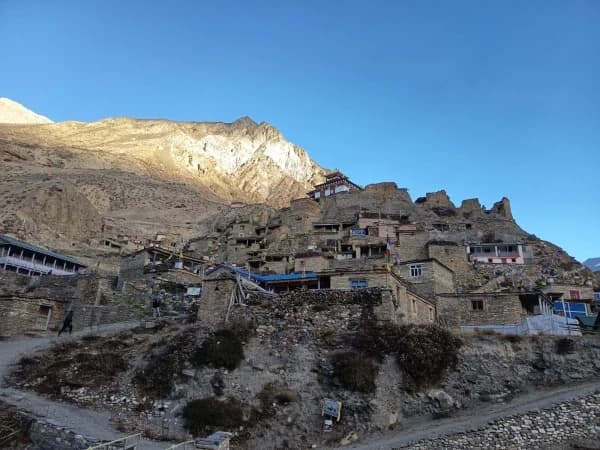
Lokpa, like many villages in Tsum Valley, is deeply rooted in Tibetan Buddhist traditions. The village is home to ancient gompas (monasteries), prayer walls, and mani stones that have stood for centuries. The residents, mainly of Tibetan descent, are known for their warm hospitality, simple lifestyle, and devotion to Buddhist practices. Visitors often encounter villagers performing daily rituals, offering prayers, or teaching young monks in the local monastery. Festivals such as Lhosar (Tibetan New Year) are celebrated with lively dances, music, and rituals, offering a rare opportunity for trekkers to witness authentic Himalayan culture in action.
How do you get to Lokpa on the Manaslu trek?
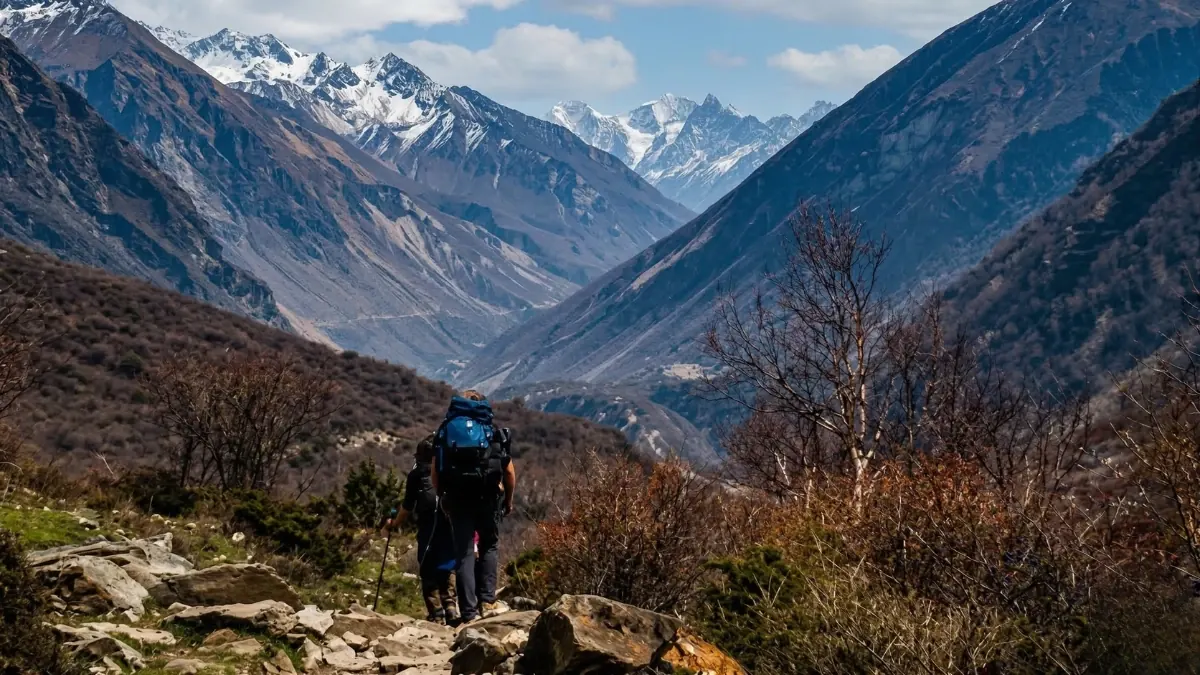
Reaching Lokpa requires trekking through one of Nepal’s most remote and least-visited regions. Most treks begin from Arughat or Soti Khola, leading into the Manaslu Circuit, which combines high mountain passes, lush forests, rivers, and remote settlements. The route to Lokpa passes through the Tsum Valley, a sacred valley once restricted to outsiders until 2008. Trekkers follow narrow trails that wind along the Budhi Gandaki River, cross suspension bridges, and ascend through rhododendron and pine forests.
The journey to Lokpa is challenging yet rewarding. Along the way, trekkers encounter villages such as Chumling and Chhekampar, where traditional stone houses, prayer flags, and friendly locals create a picture-perfect Himalayan setting. The trek requires moderate to high fitness levels due to high altitudes and variable trail conditions, but the views and cultural immersion make every step worthwhile. Related: Chumling Village: A Timeless Himalayan Settlement in Nepal’s Sacred Tsum Valley.
What is the best season to trek to Lokpa?
The best time to trek to Lokpa and through the Manaslu Circuit is during spring (March to May) and autumn (September to November). During spring, the region bursts with rhododendron blooms and lively green landscapes, while the weather remains mild and mostly stable. Autumn offers clear skies, excellent visibility of snow-capped peaks, and cooler temperatures that make trekking more comfortable.
The monsoon season (June to August) brings heavy rainfall, landslides, and slippery trails, making trekking risky. However, the valley becomes lush and waterfalls are at their most spectacular during this period. Winter (December to February) is cold, with snow covering higher passes, making parts of the trail challenging but offering a serene and quiet environment for experienced trekkers.
What is daily life and accommodation like in Lokpa?
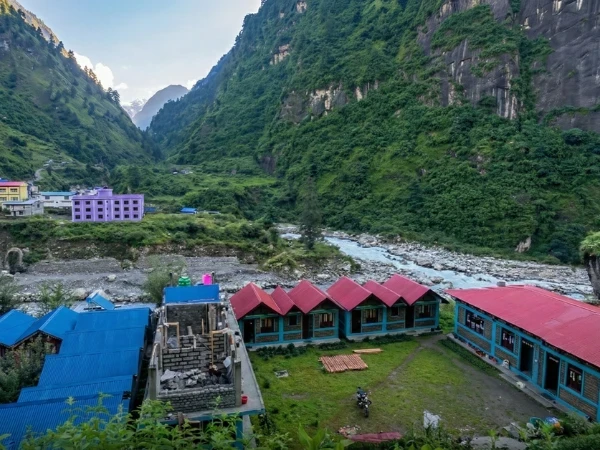
Life in Lokpa is simple and peaceful. Homes are traditionally made of stone with wooden beams, and roofs are often layered with slate or tin. Families rely on subsistence farming, yak herding, and small-scale trade with neighbouring villages. Visitors are often welcomed with tea and home-cooked meals, giving an intimate glimpse into the local way of life. Monks and villagers are happy to share stories about their culture, religious practices, and the history of Tsum Valley.
Accommodation in Lokpa is basic, usually small teahouses offering a room and meals. Despite the simplicity, staying in these teahouses allows trekkers to connect deeply with the region, enjoy freshly prepared Dal Bhat, and experience evenings by traditional wood-fired stoves while looking out over snowy peaks. Related: Dharapani Manaslu: Gateway to the Himalayas.
What wildlife and nature can you see near Lokpa?
Beyond cultural immersions, Lokpa offers incredible natural attractions. The surrounding forests are home to rare Himalayan flora and fauna, including red pandas, Himalayan black bears, and several species of pheasants. The valley itself is dotted with medicinal herbs and wildflowers, especially in spring. Trekkers can also explore hidden caves, small waterfalls, and glacial streams. Photographers find the region ideal for capturing untouched Himalayan scenery, with morning mist, prayer flags fluttering, and snow-dusted mountains in the background.
What Should You Know Before Visiting Lokpa?
acclimatisation: Lokpa and surrounding high-altitude areas require careful acclimatisation to prevent altitude sickness. Trekkers should plan rest days and ascend gradually.
Permits: Visiting Tsum Valley requires both the Tsum Valley Restricted Area Permit and the Manaslu Conservation Area Permit (MCAP), run by the National Trust for Nature Conservation. These can be arranged in Kathmandu or Arughat.
Packing: Warm clothing, waterproof gear, sturdy trekking boots, and a sleeping bag suitable for sub-zero temperatures are essential.
Guides and Porters: Hiring a local guide or porter is highly recommended. They not only carry heavy loads but also provide valuable insights into culture, language, and navigation.
Why Is Lokpa Worth Visiting in Tsum Valley?
Lokpa in Tsum Valley is a hidden jewel in Nepal’s Himalayan landscape. Its remote location, living culture, sharp mountain scenery, and connection to the Manaslu Circuit make it worth visiting for adventurous travellers. The village offers more than a trek: it offers a chance to step back in time, witness ancient Buddhist traditions, and experience life in one of the most serene corners of the Himalayas. Combined with the grandeur of the Manaslu Circuit Trek, visiting Lokpa gives you natural beauty and living culture that few other places in Nepal can match.
Lokpa and the Manaslu Circuit offer something most Nepal treks cannot match: genuine solitude in a landscape that has not been softened by tourism. Planning your trip during spring or autumn keeps the best weather, clear mountain views, and a safe and quiet route through one of the least-known valleys in Nepal.
Where to Stay in Lokpa
Lodge accommodation in Lokpa is included in every Tsum Valley and Manaslu Circuit trek package we run. Your guide books your room on arrival, so you do not need to contact lodges directly. Lokpa sits at the trail junction where the Tsum Valley branches off the Manaslu Circuit, and the lodges here are simple stops with twin rooms, hot dal bhat, and a common room beside the river.
Related Treks & Guides
- Tsum Valley and Manaslu Circuit Trek
- Tsum Valley Trek
- Manaslu Circuit Trek
- Dharmashala & Jagat
- Bhimtang
Lokpa is one of those Manaslu Circuit stops where the scenery changes faster than you expect. The valley narrows, the forest thickens, and the river below sounds closer than it is. By evening, you are sitting in a lodge that feels like the last building before the wilderness starts. In many ways, it is.
Lokpa is on our Manaslu Circuit Trek.
WhatsApp:+977 9810351300
Email:[email protected]
Written by Shreejan Simkhada, CEO of The Everest Holiday and third-generation Himalayan guide. TAAN Member #1586.
Lokpa is the Tsum-Manaslu junction. Our Manaslu Circuit Trek (12 Days) is private (your group only, no strangers), 2027 dates open, From USD $799. WhatsApp us for tailored 2027 dates and current departures.
Continue planning your trek
This is one stop on the Tsum Valley trail. For the full route, read our Manaslu and Tsum region guide. When you are ready for dates and prices, see the Tsum Valley Trek (16 days) or WhatsApp us directly. We reply personally.
 Chat with Shreejan