

Short answer: Kintang Fedi is a small settlement in northern Dhading where the middle hills begin their climb to the high Ruby Valley country, a transition point between farmland and high pastures. It is a stop on the way into the Ruby Valley. Walk it on our Ruby Valley trek.
In some parts of the Himalayas, it feels more like you're in a tunnel than a place you want to go. They look like doors that open up to other realms. Kintang Fedi is the perfect place for it. There is a little settlement hidden in the folds of the mountains in the Dhading area. There are rumours in the air about the high passes beyond. In this settlement, the Middle Hills begin their final ascent to the trans-Himalayan zone. It's a rare chance for people to see something new. What disturbs me is the space between the busy trailhead and the high camp that is far away. In this area, the planted fields of the lower valleys give way to the rugged pastures of the high highlands. The folks who reside there have faces that reveal they come from both the farm and the road. People who go to Kintang Fedi know that the trip is the goal.
Where Is Kintang Fedi in the Ruby Valley?
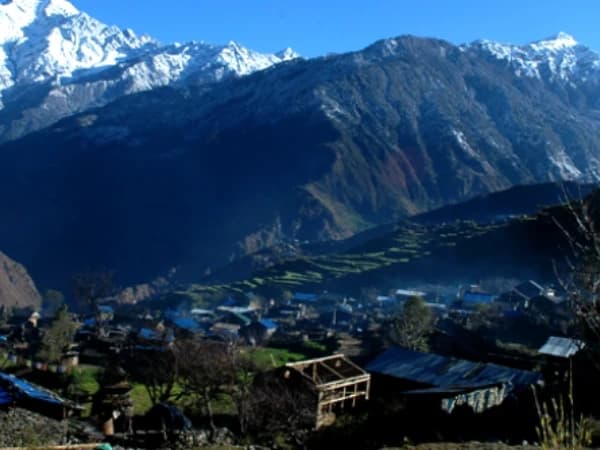
Kintang Fedi lies in a key location in the northern part of Nepal's Dhading district, which is part of the larger Bagmati Province. It is at an altitude of about 2,495 metres (8,186 feet), which is the right height for the weather to stay lovely and the mountain views to really start to show.
This area is known for its changing landscape. The village is tucked away on the slopes of a valley that was carved out by glacial streams that flow south from the Ganesh Himal range. The land climbs to the north via forests of rhododendron and oak, up to the high meadows and passes that go deeper into the Ruby Valley. The ground slopes down to the south in a patchwork of farmed terraces that lead to the warmer valleys of Dhading Besi and beyond.
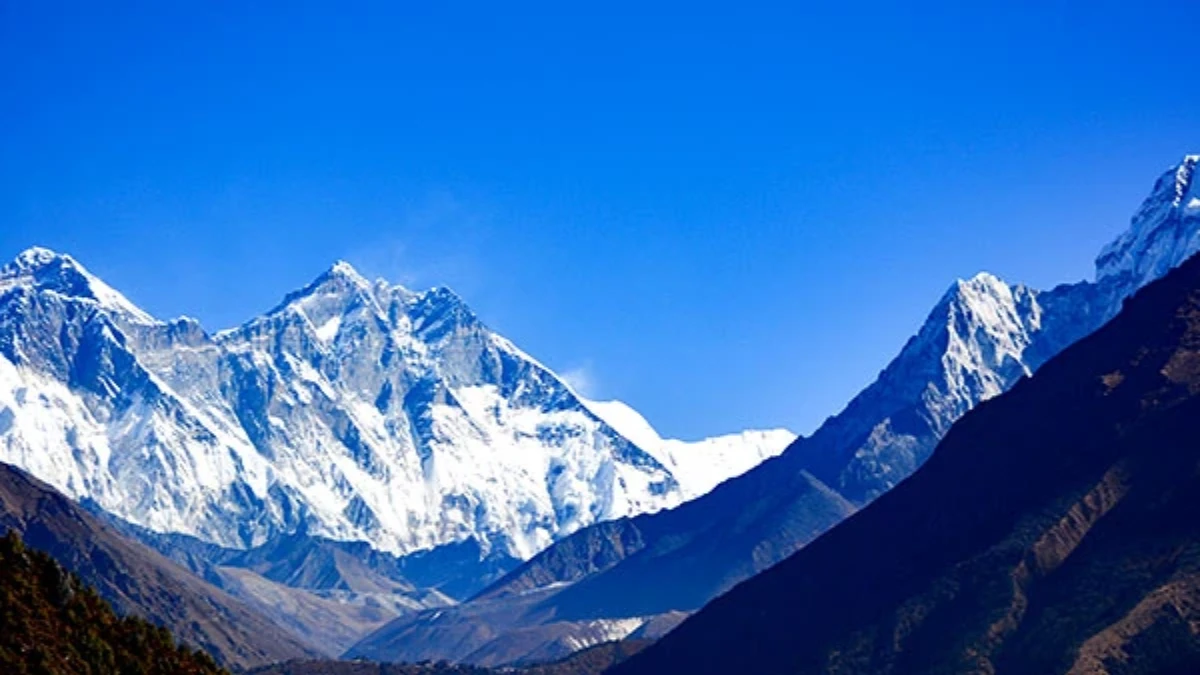
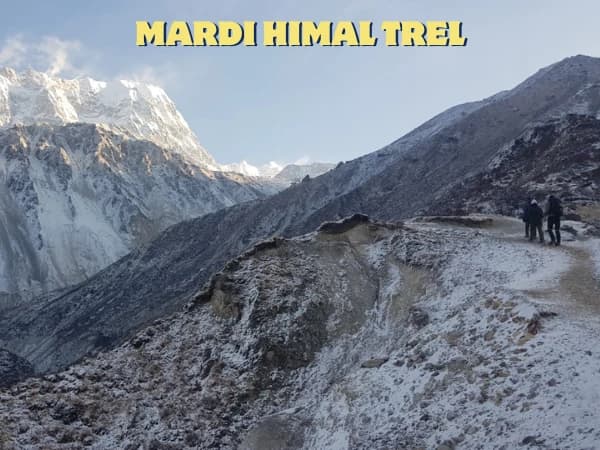
In Nepali, "Fedi" usually means the foot of a hill or the base of a climb. Kintang Fedi fits this description. It signifies the point where the valley narrows, and the trail begins a steep ascent toward higher villages. The Ganesh Himal range, which is enormous, is the most prominent feature on the northern horizon from the village. Its glaciers catch the morning light and retain it until the final rays of evening fade.
How Do You Get to Kintang Fedi?
Getting to Kintang Fedi takes a lot of work, but the trip is worth it because you get to see landscapes that haven't altered much in hundreds of years.
-
The Trekking Approach: Most people who visit Kintang Fedi do so while on the Ruby Valley trek or one of the lengthier circuits that connect the Dhading and Rasuwa districts. The most popular way to get there is via Tipling or the routes descending from the higher passes around Borang and Somdang.
-
The Darkha Connection: A trail commonly leads to the settlement, traversing wooded ridges and crossing suspension bridges over swiftly flowing mountain rivers. This way of getting there takes you through various scenery, from cultivated valleys to wild forests.
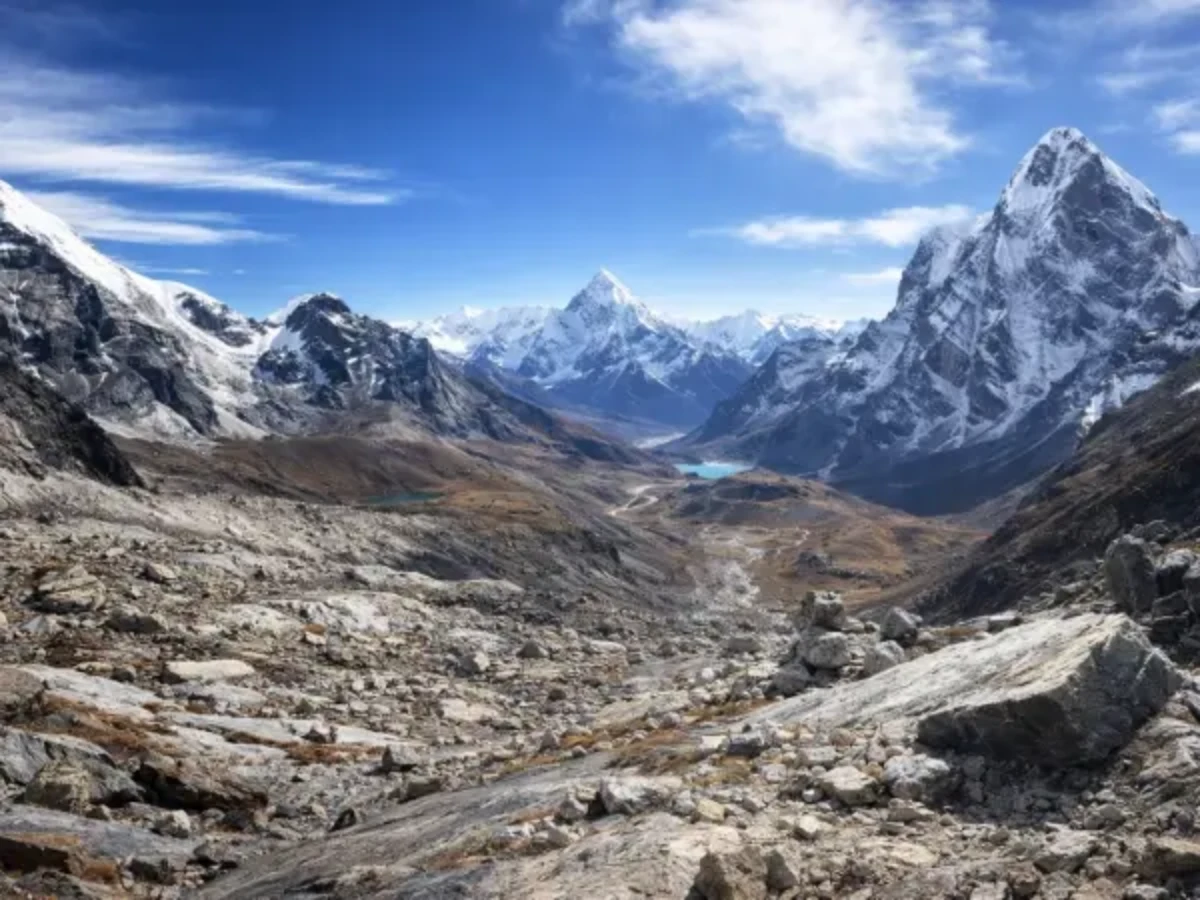
Cho La Pass crossing between Everest and Gokyo -
The Lower Route: If you're coming from the south, your adventure starts at Darkha Phedi. From there, you follow the trail north as it progressively climbs through terraced fields and small towns. This path gradually acclimates you to the Himalayan landscape, fostering a growing love for it.
-
Seasonal Considerations: Like all high Himalayan settlements, Kintang Fedi is only accessible at certain times of the year. Spring and fall are the best times to hike the path because the weather is more stable. In the winter, snow can make the highest parts of the trail hard to get to. The monsoon offers its problems, like leeches and treacherous roads that challenge the traveller's willpower.
What Facilities Are Available?
Kintang Fedi gives travellers what they need and nothing more. Generations of living in the mountains have shaped a philosophy of hospitality.
-
Simple Lodges and Tea Houses: Some family-run lodges let trekkers stay while they're going through. These buildings are made of stone and wood and have roofs that keep out the strong monsoon rains. Inside, they are heated by traditional burners. There is a bed, pillows, and the warmth of shared space in the simple but clean room.
-
The Village Shop: A small store might have things like noodles, cookies, batteries, and basic medicines. Travellers shouldn't expect to locate exceptional products here; it's better to be self-sufficient.
-
Water and Sanitation: Water comes from mountain springs and is distributed to public taps by ancient systems. The bathrooms are minimal, and hot showers are a luxury that depends on solar panels or the kindness of the cooking fire.
-
The chautara, where villagers assemble, the prayer flag-adorned stupa, and the lodges where guests eat meals with hosts are all important parts of Kintang Fedi. The only things to do in these places are talk, watch, and enjoy the languid pace of alpine life.
Major Attractions
The things that make Kintang Fedi captivating are subtle and only show themselves to people who investigate deeper.
-
The Transitional Landscape: The village is in a wonderful place for the environment to meet. The farmed terraces and mixed woodlands of the central hills are below. The high country has rocky outcrops and alpine meadows above. When you walk the paths near Kintang Fedi, you may learn about the geography of the Himalayas.
-
A look at Ganesh Himal: The Ganesh Himal range shows up in pieces and then in full majesty from the peaks above the settlement. Only the wind and an occasional eagle share these vistas, earned through hard work.
-
Traditional Village Architecture: Kintang Fedi has kept its old ways of architecture. The stone homes with wooden balconies, the well-built stone walls that separate fields, and the chortens that mark sacred sites all indicate how life in the mountains has changed throughout time.
-
The Trail Itself: The path through Kintang Fedi is part of old trade routes that used to link the hills of Nepal with Tibet. Walking these roads, past mani stones that have been worn smooth by centuries of pilgrims, is like walking through history.
-
Life in the Himalayas: The best part is just the hamlet itself. You can see ladies winnowing grain, kids chasing each other down small alleys, and old people whirling prayer wheels in the afternoon sun. These scenes of everyday life provide us with a glimpse into a world that hasn't altered much.
Major Activities to Do
In Kintang Fedi, the terrain and the way of life in the village naturally lead to activities.
-
Sunrise Ridge Walks: Get up early and follow the path that goes up the hill. As the sun rises above the eastern ridges, the tops of the Ganesh Himal mountains light up one by one with golden light. This daily show costs nothing but effort and gives you memories that will last a lifetime.
-
Immersion in the village means spending time just being there. Relax at the nearby lodge and watch life happen. Accept the invitation to tea. Let kids work on their English phrases. These unplanned times are the most real cultural immersions.
-
Kintang Fedi is a wonderful place for photography since it has everything from close-up photos of village life to wide-angle landscape shots. The light changes throughout the day, which changes the mood and the options.
-
Day Hikes to Higher Pastures: Take the paths that go up from the village to the high grazing fields. These half-day trips provide you with more views and the chance to see herders with their livestock in the alpine meadows.
-
Evening Conversations: When it becomes dark and the temperature drops, congregate around the lodge stove. Over mugs of hot tea, travellers relate stories and locals show them a world that maps can't show.
What Makes Kintang Fedi So Popular?
Kintang Fedi has a unique and respected place in the geography of Himalayan travel. People like it because it's the "Quiet Threshold of the Ruby Valley," where the civilised world eventually gives way to the wild.
Kintang Fedi is renowned among experienced hikers as the best place to stop and get used to the altitude. The elevation is ideal for preparing the body for higher altitudes, yet it remains a pleasant spot for relaxation. The hamlet is famous for being a place where the middle hills and the high Himalayas meet in terms of scenery, cultures, and temperatures.
But maybe the most important thing about Kintang Fedi is that it is a place where real Himalayan life goes on without interruption. Most travellers don't go there for the destination itself, but for the journey. This is what keeps it real. People who stop here see a hamlet going about its everyday business, not one that is putting on a show for tourists.
Places to stay and tea houses
When you stay in Kintang Fedi, you get to experience the most real and simple hospitality in the Himalayas.
-
Simple Family Lodges: There are several family-run lodges to choose from, all of which are built in the traditional style. These are additions to people's houses, not businesses, and this difference is important. Visitors are not treated like customers.
-
The Lodge Experience: Rooms are basic, with four stone walls, a window with a view, a bed with a foam mattress, and heavy blankets. The bathroom is shared and is usually not in the main structure. The cooking stove gives you hot water for washing, which is a nice touch.
-
The Communal Kitchen: The kitchen, which has a wood-burning stove, is the most important part of any visit. People here cook and eat together, tell tales, and talk about what happened during the day. This area makes it hard to tell who is a guest and who is a host, which makes relationships go beyond language.
-
Food and Meals: Potatoes, millet, buckwheat, and summer veggies grown nearby are used to make meals. Dal bhat is the main dish, and it comes with basic curries and pickles. The meal is honest, healthy, and has the taste of the highlands.
-
What to Expect: Don't expect to have Wi-Fi, TV, or good phone service. When the solar power gets low, expect to see candlelight, hear prayer flags blowing in the wind, and feel like you are really welcome in a mountain community.
When is the best time to go?
The seasons not only affect the weather but also the whole experience of going to Kintang Fedi.
-
The best times to visit are from March to May and from September to November, which are the primary seasons. The weather is consistent, the skies are clear, and the temperatures are suitable for hiking throughout these months. When the rhododendrons bloom in the spring, they turn the woods into gardens of pink and red flowers. The best time to see the mountains is in the fall, when the weather is most stable.
-
Winter (December to February): People who like to be alone and are tough can visit in the winter. The days are usually clear and bright, and the sun can be surprisingly pleasant. But the nights are freezing. Snow may bury the higher paths, yet Kintang Fedi remains accessible. The settlement is empty of other travellers, giving you a rare chance to be alone.
-
From June to August, the monsoon brings rain, leeches, and mountains that are often hard to see. Trails get slick and rough. But the terrain is at its most lush and green, and the trails are almost empty for those who are ready to brave the weather. Because of the possibility of landslides, you need to be careful and flexible.
The weather and the climate
Kintang Fedi's height and location relative to the Himalayan massif shape its climate.
-
Spring: The weather gets warmer slowly in spring, with daytime highs between 12°C and 18°C. It stays cold at night, and the temperature can drop to near freezing. The smell of growing things fills the air, and the trees start to grow again. Rhododendrons bloom in waves of different colours.
-
In the summer, the temperature is mild, between 15°C and 20°C. However, the humidity rises with the monsoon rains. Afternoon rains are common, and they can be very dramatic but don't last long. They make the air fresh and the landscape shine. The trees get very green.
-
Autumn: The weather is most consistent after the monsoon season. The weather is warm and lovely, which is ideal for hiking. As winter gets closer, nights get cooler. The summer season is the best time of year to see things, and the vistas of the mountains are so clear that they look almost fake. The winter season is the best time of year to go trekking.
-
Winter: Winter is chilly and dry. During the day, temperatures stay between 5°C and 10°C, while at night they dip considerably below freezing. When the sun is out, it really warms you up, but when it's in the shade, it feels cold. The upper passes get snow-covered, although Kintang Fedi itself is still open to ready travellers.
Related Treks & Guides
Kintang Fedi is the Ruby Valley at its quietest. The terraced hillsides, the Tamang farmhouses, and the complete absence of other trekkers make this feel like Nepal thirty years ago. If you are looking for a trek where the villages have not been shaped by tourism, this valley is it.
Kintang Fedi is on our Ruby Valley Trek, one of Nepal's best-kept secrets.
WhatsApp:+977 9810351300
Email:[email protected]
Written by Shreejan Simkhada, CEO of The Everest Holiday and third-generation Himalayan guide. TAAN Member #1586.
Kintang Fedi is on Ruby Valley loop day 4. Our Ruby Valley Trek (9 Days) is private (your group only, no strangers), 2027 dates open, From USD $560. WhatsApp us for tailored 2027 dates and current departures.
Continue planning your trek
This is one stop on the Ruby Valley and Ganesh Himal trail. For the full route, read our Ganesh Himal Base Camp guide. When you are ready for dates and prices, see the Ruby Valley Trek (9 days) or WhatsApp us directly. We reply personally.

 Chat with Shreejan