

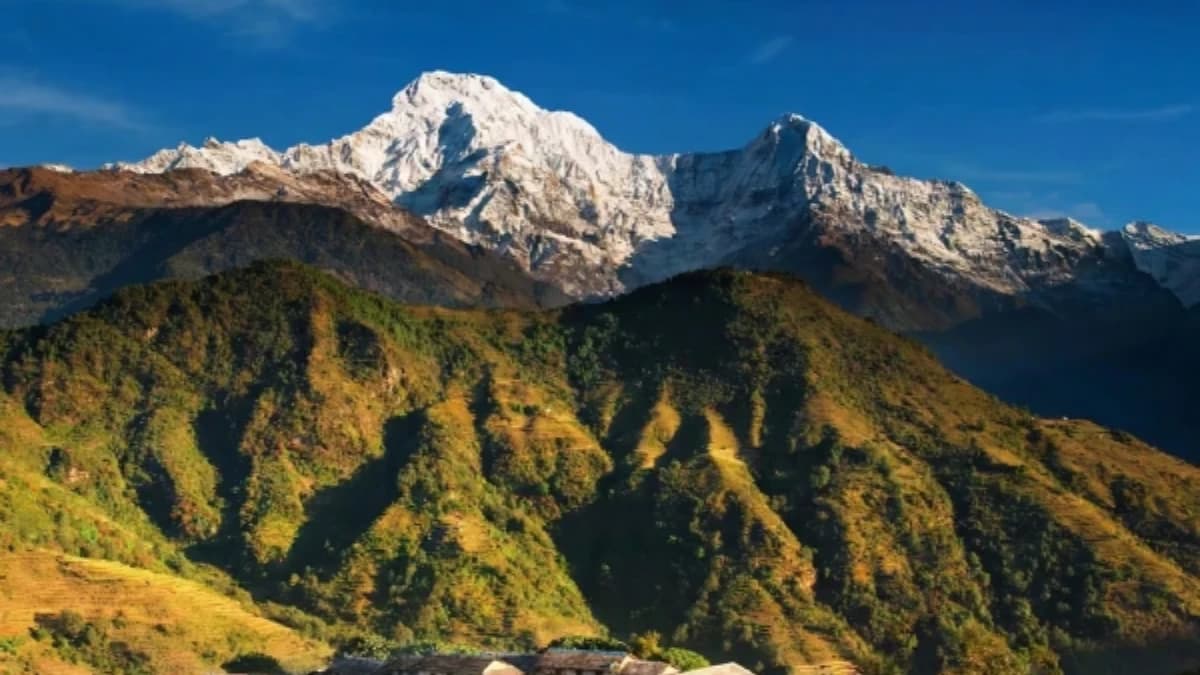
Short answer: Himalaya, also called Himalpani (2,890 m), is a small cluster of lodges in the Modi Khola gorge on the Annapurna Base Camp trail, used as a rest stop before the section towards Machhapuchhre Base Camp. It is quieter than Deurali or Bamboo, with fewer lodges. It is on our Annapurna Base Camp trek.
Himalaya, also referred to as Himalpani on some maps, is one of the most critical high-altitude stops on the Annapurna Sanctuary Trek. Sitting at 2,890 metres (9,482 feet), this small trekking outpost is located in the deep, rugged valley of the Modi Khola River. While it shares its name with the famous Himalayan range, this settlement is far from a sprawling village; it exists solely for the safety, rest, and acclimatisation of trekkers on their journey toward Machhapuchhre Base Camp (MBC) and Annapurna Base Camp (ABC).
Unlike Deurali or Bamboo, Himalaya is quieter, with fewer lodges, giving trekkers a sense of isolation in the mountains. Its strategic position makes it a key stop before tackling one of the most exposed and avalanche-prone sections of the Annapurna Sanctuary Trail.
Why Is Himalpani an Important Stop on the ABC Trek?
Himalaya is a modern trekking outpost rather than a historical settlement. It was created purely to serve the growing needs of ABC trekkers in the 1990s and early 2000s. As more people attempted the Annapurna Sanctuary route, the long, steep stretch between Deurali and MBC became increasingly hazardous. Trekking operators and local guides recognised the need for a safe resting point, and a lodge (or two) was established on a secure ledge in this narrow, cliff-lined valley.
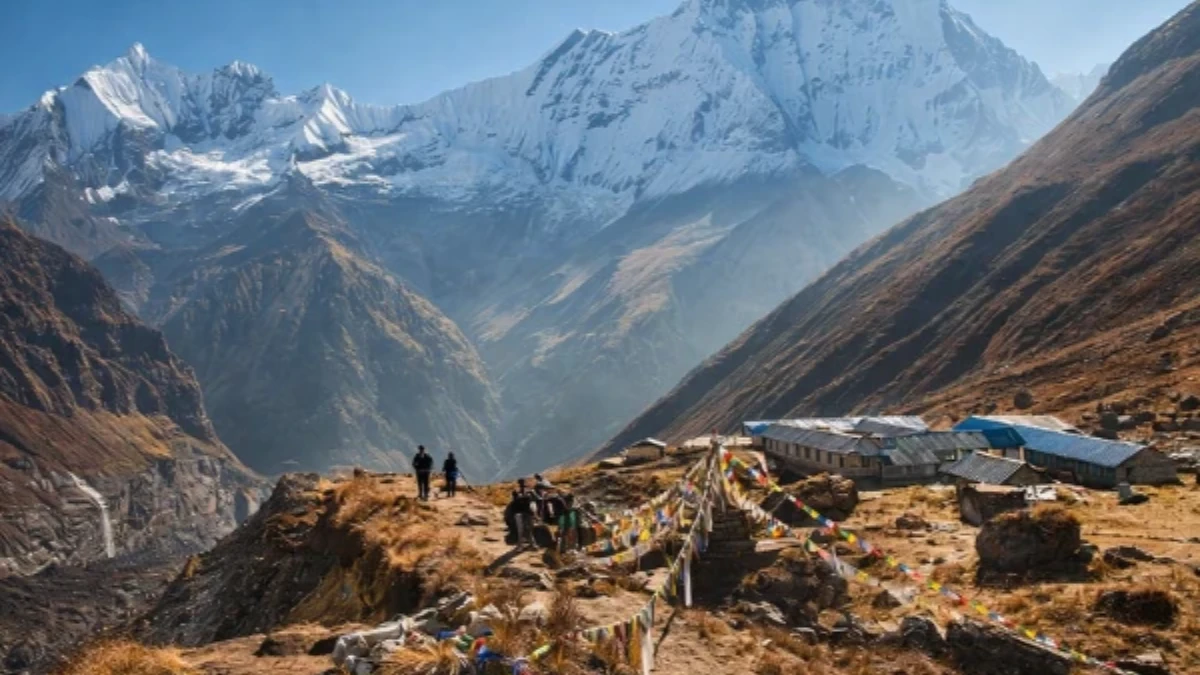
The name “Himalaya” was likely chosen to signal to trekkers that they were deep in the high mountains, entering the inner sanctuary where the terrain turns properly alpine. Today, Himalaya is a vital acclimatisation stop and a safety checkpoint, allowing trekkers to pause before ascending to Machhapuchhre Base Camp at 3,700 metres.
What is the trek from Deurali to Himalaya like?
The hike from Deurali to Himalaya is short but physically demanding. The trail winds along the sides of a U-shaped glacial valley, with steep cliffs rising on either side. Below, the Modi Khola rushes through the gorge, its roar echoing through the mountains. Avalanche chutes are clearly visible along the slopes, reminding trekkers of the raw power and risk of the terrain.
The atmosphere at Himalaya is noticeably calmer than at Deurali. There are fewer trekkers, and conversations often revolve around safety, weather conditions, and preparing for the early morning crossing of the avalanche-prone slopes above. This environment encourages mindfulness and caution, reinforcing the importance of proper pacing, hydration, and acclimatisation.
Why Himalaya Matters on the ABC Trek
Himalaya plays several crucial roles in ensuring a safe and successful trek:
Altitude acclimatisation: Spending a night at 2,890 metres allows trekkers’ bodies to adjust to thinner air before ascending to Machhapuchhre Base Camp at 3,700 metres. Proper acclimatisation reduces the risk of altitude sickness and fatigue, helping trekkers maintain stamina for the challenging sections ahead.
Safety Segmentation: The long avalanche-prone zone between Deurali and MBC is split into two shorter, manageable segments by stopping at Himalaya. Early morning departures from this outpost are safer, as slopes are less prone to warming-induced avalanches.
Emergency Stop: For trekkers struggling with fatigue, weather conditions, or mild altitude sickness, Himalaya provides a crucial opportunity to rest and recover. The lodges here may be simple, but they offer shelter and safety in an otherwise exposed environment.
The valley views at Himalaya are dramatic and enclosed, surrounded by sheer granite cliffs that create a sense of being enveloped by the mountains. The scenery emphasises the grandeur of the high Himalayas while underscoring the need for caution and respect for the environment.
What are the lodges and facilities like at Himalaya?
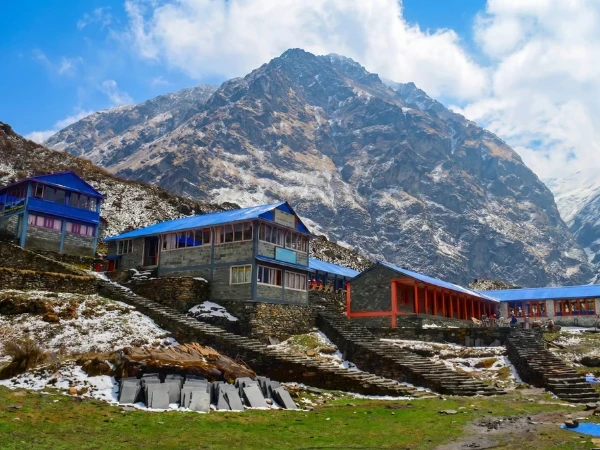
Accommodation in Himalaya is extremely basic, reflecting the remote, high-altitude conditions. The main lodges include:
-
Himalaya Hotel / Himalaya Lodge
-
Mount Machhapuchhre Lodge
These lodges provide fundamental shelter, a warm place to eat, and a quiet space to rest. There are no mobile networks, and electricity is limited, usually powered by solar panels for a few evening hours. Nights can be extremely cold, so proper trekking gear, including sleeping bags and warm clothing, is essential.
Meals are simple but hearty, designed to provide energy for the trek ahead. Trekkers often gather in the dining hall to discuss avalanche conditions, weather updates, and early morning departure plans.
Is Himalaya a real destination or just a checkpoint to ABC?
Himalaya is considered the final outpost before entering the inner core of the Annapurna Sanctuary. It is not a place for sightseeing, cultural exploration, or leisurely breaks. Instead, it is a functional checkpoint designed to prepare trekkers physically and mentally for the alpine environment ahead.
A night at Himalaya provides valuable lessons in high-altitude trekking: living simply, staying vigilant, and respecting the mountains’ power. From here, the trail opens into the wide, open space of the Annapurna Sanctuary, eventually leading to Machhapuchhre Base Camp and Annapurna Base Camp. For many trekkers, the stay at Himalaya is a reflective pause, a chance to prepare for the views and challenges that lie just hours ahead.
Is Himalaya (Himalpani) Worth a Stop on the ABC Trek?
Himalaya (Himalpani) may be small and austere, but it is a critical stop on the Annapurna Sanctuary Trek. It provides rest, safety, and acclimatisation before trekkers tackle the final sections to Machhapuchhre Base Camp and Annapurna Base Camp. This high-altitude outpost teaches humility, preparation, and respect for the Himalayan mountains, making it a defining part of the ABC trekking experience.
Related Treks & Guides
- Annapurna Base Camp
- The Annapurna Circuit Trek- 12 Days
- Ghorepani Poon Hill Yoga Trek
- Fewa Lake
- Sarangkot
Himalpani is the last settlement before Machhapuchhre Base Camp on the Annapurna Base Camp Trek.
Himalpani is a quiet Annapurna Sanctuary stop between Chomrong and the bamboo zone. Unremarkable and perfectly pleasant.
WhatsApp:+977 9810351300
Email:[email protected]
Written by Shreejan Simkhada, CEO of The Everest Holiday and third-generation Himalayan guide. TAAN Member #1586.
Himalaya-Himalpani is the ABC pre-camp. Our Annapurna Base Camp Trek (9 Days) is private (your group only, no strangers), 2027 dates open, From USD $725. WhatsApp us for tailored 2027 dates and current departures.
Continue planning your trek
This is one stop on the Annapurna Sanctuary trail. For the full route, read our full Annapurna Base Camp trek guide. When you are ready for dates and prices, see the Annapurna Base Camp Trek (9 days) or WhatsApp us directly. We reply personally.

 Chat with Shreejan