

Short answer: Gatlang (about 2,300 m) is a traditional Tamang village in Rasuwa and the first night on the Tamang Heritage Trail, reached by driving from Kathmandu to Syabrubesi and then walking about six hours. Known as the Black Village, it keeps Tamang farming and festival traditions very much alive. As of 15 October 2026 the road to Syabrubesi is open again; walk it on our Tamang Heritage Trail trek.
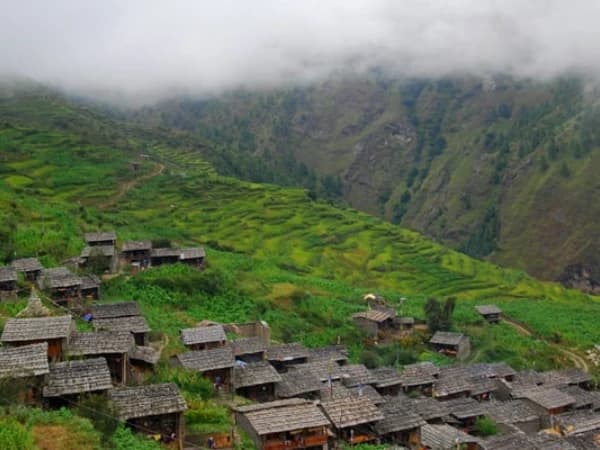
Gatlang Village is hidden away on the green hills of the Rasuwa district. It is a doorway to Nepal, which seems to have escaped the claws of civilisation. This real Tamang settlement is more than just a tourist spot; it's a museum that shows how indigenous people lived, away from the noise and bustle of the city. From its high perch, Gatlang invites brave travellers to a realm along the Tamang Heritage Trail, where people remember and live long-lost traditions every day. Agropastoral Gatlang, or "The Black Village," is a wonderful place to see how strong the Himalayan people are and how much they care about their community.
Gatlang quick facts
| Detail | What to know |
|---|---|
| Altitude | About 2,300 m (7,546 ft), in Rasuwa District. |
| Getting there | Drive Kathmandu to Syabrubesi in 7 to 9 hours, then walk about 12 km to Gatlang in around 6 hours. |
| Next stage | Gatlang to the Tatopani hot springs at 2,610 m, about 12 km and 6 hours on the Tamang Heritage Trail. |
| Permits | Langtang National Park entry NPR 3,000 and TIMS card NPR 2,000 per person for the full trail. |
| Best months | March to May and September to November. |
| Road status | The trail starts at Syabrubesi, so it follows the Rasuwa road. See the access update below. |
Gatlang is the first night on our Tamang Heritage Trail Trek, 12 Days, which then climbs to Nagthali at 3,170 m and finishes in the Langtang valley, with a licensed guide. It starts from USD 725 per person on the Budget option for 1 to 4 travellers. Pay in USD or EUR. Rescheduling is free on 72 hours notice. The 10% deposit itself is not refunded if you cancel.
Gatlang access update, 15 October 2026
The Tamang Heritage Trail starts from Syabrubesi. The road up the Trishuli and Rasuwa valleys was closed by the flood of 26 August and on 1 October still did not reach Syabrubesi. On 5 October Ratopati reported that an army team had begun building a Bailey bridge at Betrawati to reconnect Nuwakot with Rasuwa. As of 15 October 2026 the road to Dhunche and Syabrubesi is open again. There are no hotels running in Syabrubesi at the moment, so on day 1 we walk on from the road head to the first open lodge on the trail. We check road and trail conditions 48 hours before every departure. Last checked: 15 October 2026.
Where Is Gatlang Village?
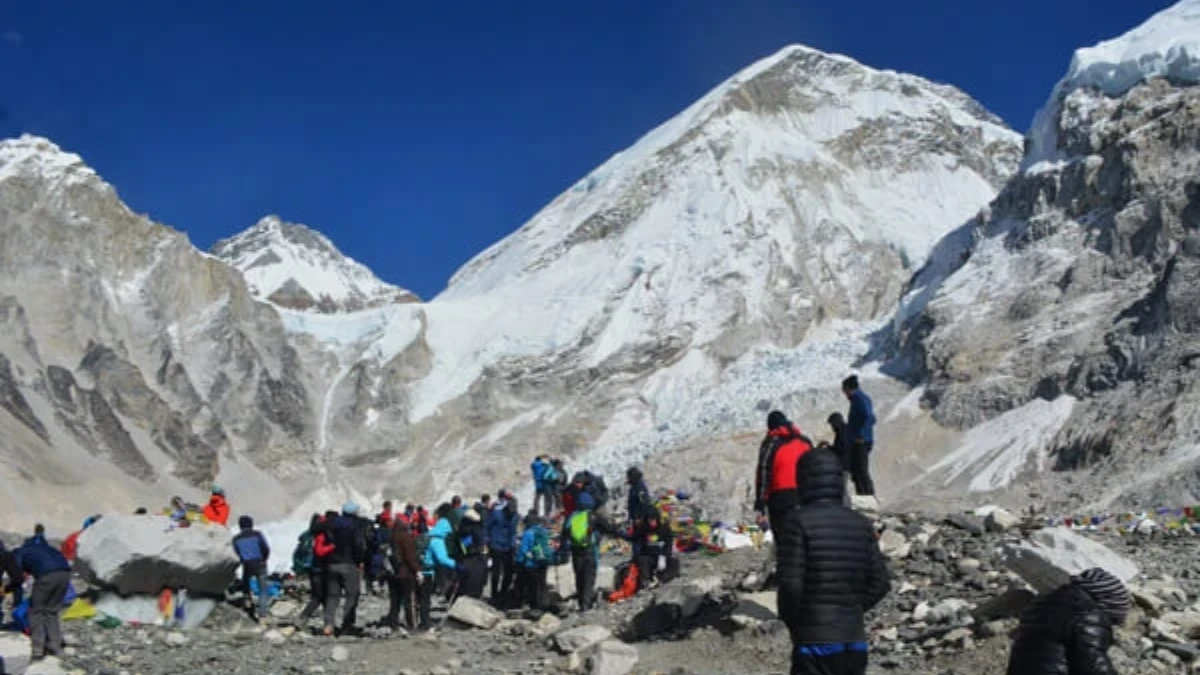
Gatlang is located in the high hills of the Rasuwa district, which is part of the beautiful Bagmati Province of Nepal. The dramatic hillside setting at an elevation of about 2,300 metres (7,546 feet) gives it its geography. Because of its height, it is in a favourable climate zone. It usually doesn't get as cold as higher mountains, and it has some of the best views.
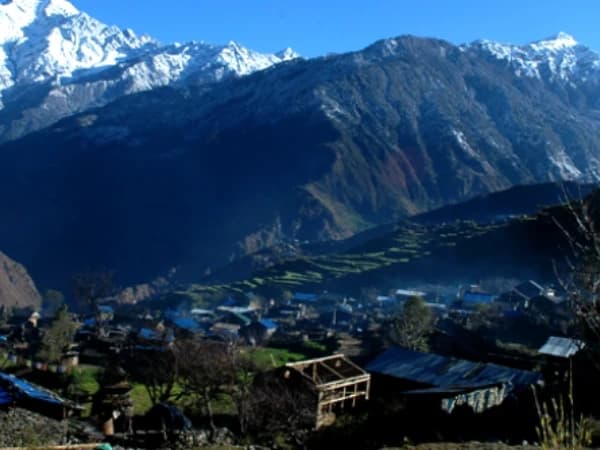
The settlement is in a geographically important spot because it is the western entrance to the bigger Langtang Region. The view is mostly of the huge Ganesh Himal range, which is surrounded by terraced farms and sloping houses. Gatlang names its snow-capped peaks after the Hindu god Ganesh. They are just as important to the culture as they are to the scenery.
How Do You Get to Gatlang?
Reaching Gatlang offers the patient traveller exceptional views. The travel takes a lot of work, but it's getting easier to do, which makes the remote feel more reachable.
-
By Road: The most usual way to get there is to drive from Kathmandu to Syabrubesi, which takes about 7–8 hours. The path splits off from the main Langtang Valley route at Syabrubesi. You can rent a native jeep to drive you up the rough, winding roads that go west to the town. The drive itself is an exciting few hours of switchbacks and valley views.
-
For purists, the trek starts on foot from Syabrubesi or even from the roadhead at Dunche. The official start of the Tamang Heritage Trail is the hike to Gatlang. It takes you through woods, across waterfalls, and over suspension bridges, slowly introducing you to the rural Himalayan terrain.
-
Alternative Route: You can sometimes get to the village by taking the Aanbu Khaireni–Borang road, but it's always best to ask a local for advice because road conditions can change quickly.
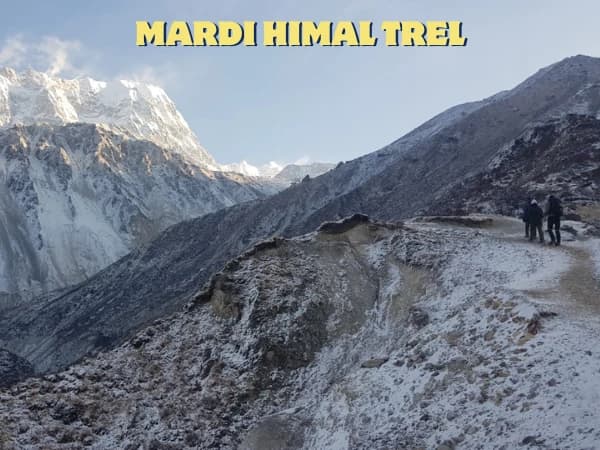
Himalayan mountain landscape in Nepal
What Facilities Does Gatlang Have?
Gatlang achieves a careful balance between being true to its rustic roots and providing the minimum luxuries that modern travellers need. The community has built up its infrastructure to accommodate tourists while keeping its original character.
-
Connectivity: Wi-Fi isn't everywhere, but you can get cellular data (mostly through Nepal Telecom) throughout much of the village, which lets you talk to people.
-
Basic Amenities: The community has a tiny health post for emergencies, local shops (Kirana stores) that sell snacks, toiletries, and other necessities, and more and more tea places.
-
Community Infrastructure: One of the most intriguing things about the hamlet is that it still has traditional water taps (dhunge dharas) and community areas that serve as the village's social hub.
Major Attraction
Gatlang is a place where the sights are a mix of beautiful nature and clever people.
-
The "Black Village" Architecture: The village itself is the first thing that draws people in. Gatlang gets its name from the homes, which have dark, worn timber beams and slate roofs. You may observe ancient Tamang architecture in its purest form when you walk on the stone-paved streets.
-
Parvatikunda Lake: A short, steep trek up from the village leads to the hallowed Parvatikunda. The people who live nearby hold this beautiful high-altitude pond in high regard. During the Janai Purnima festival, pilgrims come to bathe in its sacred waters.
-
Ganesh Himal Viewpoint: The village has clear, straight views of the Ganesh Himal range. The view is best at sunrise and sunset, when the light paints the peaks gold and orange.
-
Tamu Lhosar Ground: A flat area in or near the hamlet where the Tamu Lhosar (Tamang New Year) is celebrated. You can picture the colourful parties and cultural acts that happen there.
Important Things to Do
Gatlang is more than just a place to view; it urges people to be involved and experience it.
-
Cultural immersion is the main thing to do. Take some time to watch the daily life: farmers working in the terraced fields, women weaving traditional dokos (bamboo baskets), and older people spinning prayer wheels. Get to know the locals through your teahouse host; a smile and a wave can go a long way.
-
Guided hamlet Walks: Hire a local guide to explain the details of Tamang Buddhism, the importance of the mani walls (stone walls with prayers on them), and how the hamlet is organised.
-
Short Hikes: You can go to adjacent ridges for amazing views of the valleys and peaks around you, in addition to the trip to Parvatikunda.
-
Homestay Experience: The best thing to do is to choose a homestay, where you may cook traditional foods like dal bhat or khapse (fried dough biscuits) and learn about life on a farm firsthand.
What Makes Gatlang So Popular?
Lama Hotel is a distinct stop on the main Langtang Trek, but Gatlang is famous in its own right. It is mostly known for being the best and most accessible place to see pure Tamang culture in all of Langtang.
It is well-known as the "Black Village," which piques the interest of both photographers and anthropologists. Gatlang stands out from other destinations due to its dual role as a lively town and a popular tourist destination. It is known for its effective concept of community-led tourism, in which the money made from hiking goes directly to preserving its heritage and the local economy, especially through its well-known homestay network.
Tea Houses and Accommodation
Gatlang gives you a different experience, ranging from basic tea houses to luxurious homestays.
-
Staying with someone else is the most preferred choice. These are not commercial hotels; they are family houses with an extra room that the local community runs. If you stay here, you'll sleep in a typical Tamang house, eat what the family eats, and live their way for a day or two. It has a rustic feel, but it's warm, and the service is famous.
-
Tea Houses and Lodges: A few modest, community-run lodges include individual rooms with rudimentary beds. These are a good choice for anyone who wants to eat local food but also wants some privacy.
-
What Facilities Does Gatlang Have?: Expect basic, low toilets (with a few Western-style options), bucket showers heated by solar energy, and comfortable communal dining spaces around a wood-burning stove. The food is filling, fresh, and tastes excellent.
When Is the Best Time to Trek Gatlang?
If you plan your visit to Gatlang carefully, you'll see the village at its best.
-
The best months are March to May and September to November, which are the main seasons. The weather is lovely, the skies are clear (the best views of Ganesh Himal), and the temperatures are suitable for hiking. Rhododendrons also blossom along the pathways in the spring.
-
Winter is the second season, and it lasts from December to February. It can be frigid, and snow might fall, which can make the rooftops of the hamlet look magnificent. Although the nights are extremely cold and certain facilities might not always be available, the views are typically clear.
-
From June to August, the rains make the pathways muddy and full of leeches, while clouds often hide the views of the mountains. But the scenery is green and full of life, and it's a calm time for people who really want to be alone.
The Weather and the Climate
Gatlang has a typical Himalayan temperate climate, with four distinct seasons that change the terrain and the way people live.
-
March to May: The weather gets warmer slowly. Days are warm and sunny (15°C to 20°C), while evenings are cold. This phase is a fun and comfortable time to visit.
-
Summer/Monsoon (June to August): The weather is hot and humid, and there is a lot of rain, especially in the afternoons and evenings. The weather is mild, but the excessive humidity and rain can make hiking hard.
-
Autumn (September to November): After the monsoon, the air is fresh and pure, and you can see everything well. Days are pleasant and sunny, but evenings are getting much cooler as winter gets closer. Most people think the autumn season is the best time for trekking.
-
The weather is dry and cold in the winter (December to February). During the day, the temperature might stay around 10°C, but at night it can drop below freezing. When the sun is out, it's hot and bright, but in the shadow and at night, you need heavy woollens and decent sleeping bags. It can snow, which can close off the town for short periods of time and make it even more peaceful.
The Tamang Heritage Trail in numbers
The first four stages of our 12-day itinerary, with altitudes from the itinerary.
| Day | Stage | Distance and time |
|---|---|---|
| Day 2 | Syabrubesi (1,503 m) to Gatlang | About 12 km, 6 hours |
| Day 3 | Gatlang to Tatopani (2,610 m) | About 12 km, 6 hours |
| Day 4 | Tatopani to Thuman (2,340 m) via Nagthali (3,170 m) | 9.2 km, 6 hours |
| Day 5 | Thuman to Briddim (2,230 m) | 14 km, 5 to 6 hours |
Homestay & Contacts
|
Homestay |
Contacts |
|
Parpati Kunda Home Stay |
+977-985-328-7329 |
|
Ruby Valley Guest House & Home Stay |
+977-984-328-7329 |
|
Paldor Peak Guest House |
+977-984-161-0496 |
Related Treks & Guides
Gatlang is called the black village because of the slate-roofed houses that turn the whole settlement dark grey in the rain. It is one of the most photogenic places in Nepal that almost nobody visits. The 600-year-old monastery, the woodwork on the houses, the grandmother who will invite you in for butter tea: this is the Nepal that travel magazines write about but tourists rarely see.
The Tamang Heritage Trail passes through Gatlang. It is one of Nepal's easiest and most culturally rich treks, and we run it regularly.
WhatsApp:+977 9810351300
Email:[email protected]
Written by Shreejan Simkhada, CEO of The Everest Holiday and third-generation Himalayan guide. TAAN Member #1586.
Want to visit Gatlang on the Tamang Heritage Trail? Our Tamang Heritage Trail 12 Days includes Gatlang, Tatopani hot springs, and the Langtang region. 2027 departures, all permits arranged. Message us on WhatsApp.
Continue planning your trek
This is one stop on the Ruby Valley and Ganesh Himal trail. For the full route, read our Ganesh Himal Base Camp guide. When you are ready for dates and prices, see the Ruby Valley Trek (9 days) or WhatsApp us directly. We reply personally.

 Chat with Shreejan