
Short answer: The Kanchenjunga trek passes through three main communities: the Limbu people of the lower valleys, the Rai of the middle hills and the Sherpa of the upper villages, each with its own language, food and festivals, such as the Limbu New Year (Chasok Tangnam) in December. This variety is part of what makes the trek special. Meet them on our 19-day Kanchenjunga Base Camp trek.
The Kanchenjunga trek passes through communities that most Nepal visitors never encounter. The Limbu people of the lower valleys, the Rai communities of the middle hills, and the Sherpa settlements of the upper reaches each bring distinct languages, traditions, and hospitality to a trail that is as culturally diverse as it is geographically remote.
The Limbu, one of Nepal's oldest indigenous groups, inhabit the eastern hills with a cultural identity rooted in the Kirat tradition that predates both Hinduism and Buddhism. Their villages feature wooden houses on stilts, distinctive hearths, and a cuisine that includes tongba (fermented millet beer) and sel roti (ring-shaped fried bread). The Limbu New Year (Chasok Tangnam) in December is celebrated with traditional dances, feasting, and the specific communal warmth that characterises Limbu gatherings.
Higher on the trail, the Rai communities of the middle valleys add another cultural layer. The Rai share the Kirat heritage with the Limbu but maintain distinct languages and practices. Their villages, built on ridges above river valleys, offer views and hospitality that the main trekking routes have commercialised but that the Kanchenjunga trail preserves in its more authentic form.
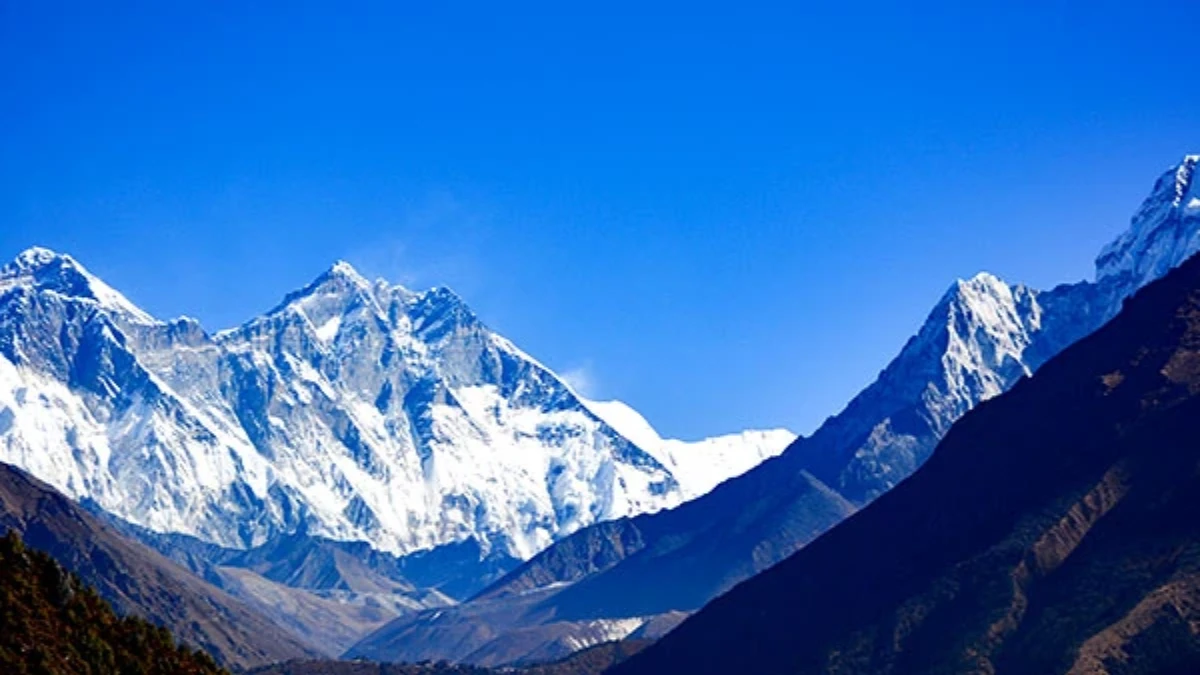
At Ghunsa and the upper settlements, the culture shifts to Sherpa Buddhist, flat-roofed stone houses, prayer flags, monasteries, and the specific warmth of communities that have lived at 3,500 metres for centuries. The Ghunsa monastery hosts festivals that draw families from across the region, and the yak herding traditions that sustain the upper valley economy are visible in the pastures above every settlement.
Walking through these communities is walking through three cultures in five days, a transition from Hindu-influenced lowlands through indigenous Kirat territory to Buddhist highlands that no other trek in Nepal compresses into such a short distance. The cultural richness is the Kanchenjunga trek's hidden gift, overshadowed by the mountain itself but, for many trekkers, equally memorable.
Who Are the Limbu People of the Kanchenjunga Trail?
The Limbu are one of the oldest indigenous groups in Nepal, part of the Kirat civilisation that predates both Hinduism and Buddhism in the region. On the Kanchenjunga trek, you walk through their villages from Taplejung up to about 2,500 metres. Their wooden houses sit on stilts to keep floors dry during monsoon, and every home has a central hearth where the family gathers.
The food is distinct from anything you will eat on other Nepal treks. Tongba, fermented millet beer served in a wooden vessel with a bamboo straw, is offered to guests as a gesture of welcome, not just a drink. Sel roti, a ring-shaped fried bread made from rice flour, appears at festivals and celebrations. Kinema, fermented soybeans with a strong smell and rich flavour, is a staple protein that you will not find in the Annapurna or Everest regions.
Chasok Tangnam, the Limbu New Year, falls in December. If your trek timing aligns, you will see villages decorated with marigolds and banana leaves, communal feasting that lasts days, and traditional Dhan Nach dances that have been performed the same way for centuries.
What Is Life Like in the Rai Villages?
Between 1,500 and 3,000 metres, the trail passes through Rai settlements. The Rai share Kirat ancestry with the Limbu but maintain their own languages. There are over 25 Rai dialects, and villagers in one valley sometimes cannot understand those in the next. Their houses are typically stone and mud with thatched or tin roofs, built on ridgelines with views down into the river valleys.
Rai communities are known for producing some of Nepal's finest Gurkha soldiers. The villages you pass through, Shekathum, Amjilosa and Gyabla, have that quiet toughness about them. People work steep terraced fields growing millet, maize, and cardamom. The cardamom is the main cash crop in this region, and during harvest season (October-November) you can smell it drying on bamboo racks from the trail.
How Does Sherpa Buddhist Culture Change the Trek at Ghunsa?
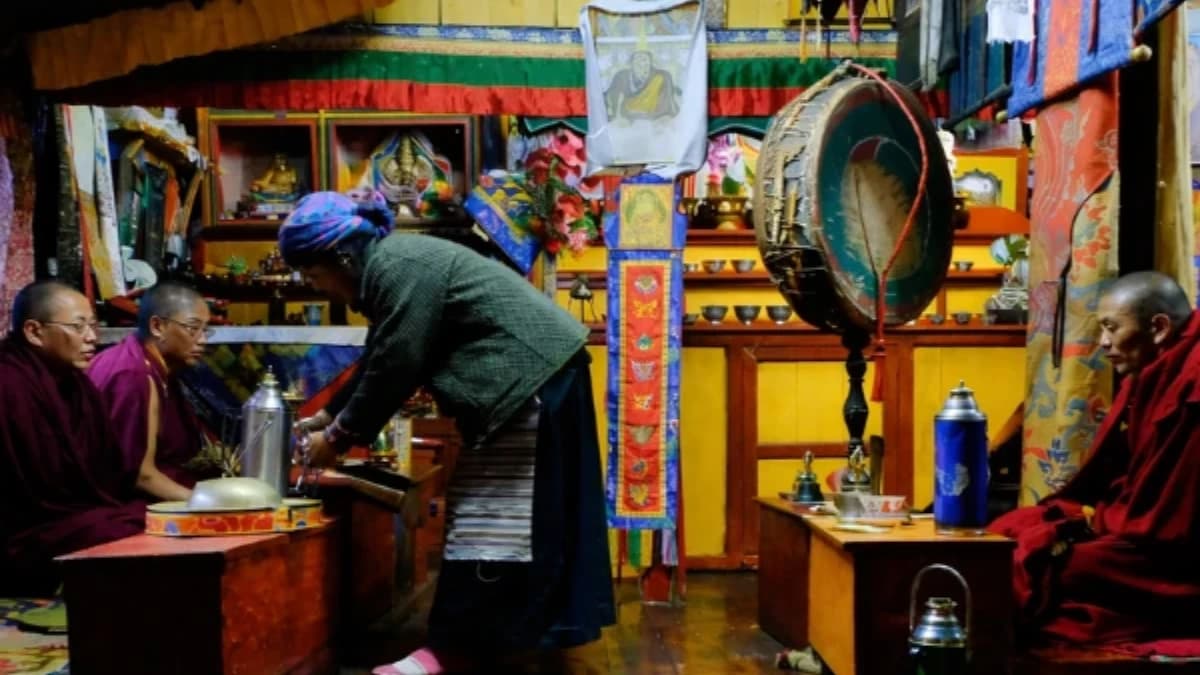
At Ghunsa (3,595m), the cultural shift is immediate. Flat-roofed stone houses replace the stilted wooden ones. Prayer flags stretch between buildings. Mani walls line the trail. The Ghunsa Monastery hosts the Phagmo festival in autumn, when villagers gather from across the upper Tamor valley for masked dances, prayers, and three days of celebration.
Above Ghunsa, at Kambachen and Lhonak, you are in high-altitude yak herding country. Families move between stone shelters following seasonal grazing patterns that have not changed in hundreds of years. The butter tea here is made from real yak butter: thick, salty, and warming in a way that regular tea cannot match at 4,500 metres.
What Festivals Can You See on the Kanchenjunga Trek?
The trek crosses through three cultural zones, each with distinct celebrations:
- Chasok Tangnam (Limbu New Year, December): community feasting, Dhan Nach dances, marigold decorations
- Udhauli and Ubhauli (Kirat seasonal festivals, December and April): the Rai and Limbu celebrate the migration of birds and changing of seasons with Sakela dances
- Phagmo (Sherpa Buddhist festival at Ghunsa, autumn): masked dances, monastery ceremonies, communal gathering
- Losar (Sherpa New Year, February-March): prayer ceremonies, juniper burning, chang (rice beer) shared between households
Timing your trek to coincide with a festival is not easy since dates shift with the lunar calendar. But if you tell us which cultural immersion matters most to you, we can help with timing.
Why Is the Kanchenjunga Trek the Best Cultural Trek in Nepal?
Other treks offer culture. The Annapurna Circuit passes through Gurung and Thakali villages, the Everest trail is Sherpa country throughout. But no other trek compresses three entirely distinct cultures into such a short walking distance. You go from Hindu-influenced lowlands through indigenous Kirat territory to Buddhist highlands in five days. The languages change. The food changes. The architecture changes. The religious iconography changes. And because the Kanchenjunga trail sees fewer than 3,000 trekkers per year (compared to 50,000+ on EBC), none of it has been commercialised for tourism. What you see is real daily life.
Experience the communities of eastern Nepal on the Kanchenjunga Base Camp Trek (19 days), which passes through Limbu and Sherpa villages in one of Nepal's least-visited trekking regions.
If you want a trek where every day brings a new culture, Limbu, Rai, Sherpa, the Kanchenjunga trail compresses three worlds into five days of walking. No other trek in Nepal does this.
Experience it on our Kanchenjunga Base Camp Trek (19 days).
WhatsApp:+977 9810351300
Email:[email protected]
Written by Shreejan Simkhada, CEO of The Everest Holiday and third-generation Himalayan guide. TAAN Member #1586.
Eastern Nepal communities along Kanchenjunga. Our Kanchenjunga Base Camp Trek (19 Days) is private (your group only, no strangers), 2027 dates open, From USD $1655. WhatsApp us for tailored 2027 dates and current departures.
 Chat with Shreejan