

Short answer: Dhading Besi is the district headquarters of Dhading, at about 600 m and about 80 km from Kathmandu, a drive of 3 to 4 hours. Most trekkers pass through on the way to Arughat, the Ruby Valley or the Tamang Heritage Trail. On our 9-day Ruby Valley trek it is where the trek ends, after a 5 to 7 hour jeep drive from Kintang Fedi.
Dhading Besi smells like diesel fuel and fresh vegetables at six in the morning. The bus park is already loud (horns, shouting, the clatter of metal tailgates), and the chai sellers are working the queue of passengers heading north. Most of them are going to Arughat for the Manaslu Circuit. A few are heading to the Ruby Valley or the Tamang Heritage Trail. None of them will remember Dhading Besi by the end of the trek, and that is their loss.
This is a real Nepal town doing real Nepal things. The weekly bazaar fills the main road with farmers selling vegetables they grew that morning. The dal bhat at the place near the bus park costs NPR 250 and comes with four side dishes and unlimited refills. The hotel rooms have hot showers and cost NPR 800. If you spend a night here instead of driving straight through, you will arrive at your trailhead rested, fed, and with a better understanding of the country you are about to walk through.
Dhading Besi quick facts
| Detail | What to know |
|---|---|
| Altitude | About 600 m (1,969 ft). It is the district headquarters of Dhading. |
| From Kathmandu | About 80 km, 3 to 4 hours by bus or car, west along the Prithvi Highway and north at Malekhu. |
| Costs in town | A dal bhat near the bus park is about NPR 250, and a hotel room with a hot shower about NPR 800. |
| Best months | March to May and September to November. |
| Ruby Valley route | On our 9-day Ruby Valley Trek, Dhading Besi is where the trek ends: a 5 to 7 hour jeep drive of 35 to 45 km from Kintang Fedi, then the drive to Kathmandu. |
| Road status | Our Ruby Valley route starts at Syabrubesi, so it follows the Rasuwa road. See the access update below. |
Our Ruby Valley Trek, 9 Days crosses Pangsang Pass at 3,842 m and passes Tipling and Borang with a licensed guide. It starts from USD 560 per person for 2 to 4 travellers on the Budget option, or USD 1,015 for one traveller. Pay in USD or EUR. Rescheduling is free on 72 hours notice. The 10% deposit itself is not refunded if you cancel.
Ruby Valley access update, 6 October 2026
Our Ruby Valley route begins with the drive to Syabrubesi. The road up the Trishuli and Rasuwa valleys was closed by the flood of 26 August, and our 29 September update listed Ruby Valley as not accessible. On 1 October the road still did not reach Syabrubesi, and on 5 October Ratopati reported that an army team had begun building a Bailey bridge at Betrawati. As of 15 October 2026 the road to Dhunche and Syabrubesi is open again. There are no hotels running in Syabrubesi at the moment, so on day 1 we walk on from the road head to the first open lodge on the trail. We check road and trail conditions 48 hours before every departure. Last checked: 15 October 2026.
Where Is Dhading Besi?
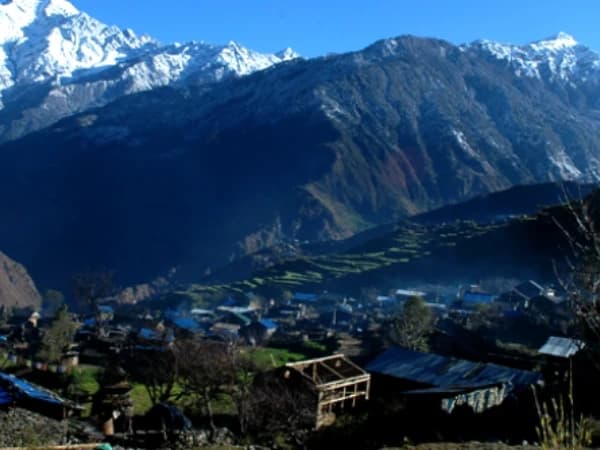
Dhading Besi is in a wonderful spot in central Nepal. It is the district headquarters of the Dhading district in Bagmati Province. It is around 600 metres (1,969 feet) above sea level, in the comfortable lowlands where the ground starts to rise toward the Himalayan ranges.
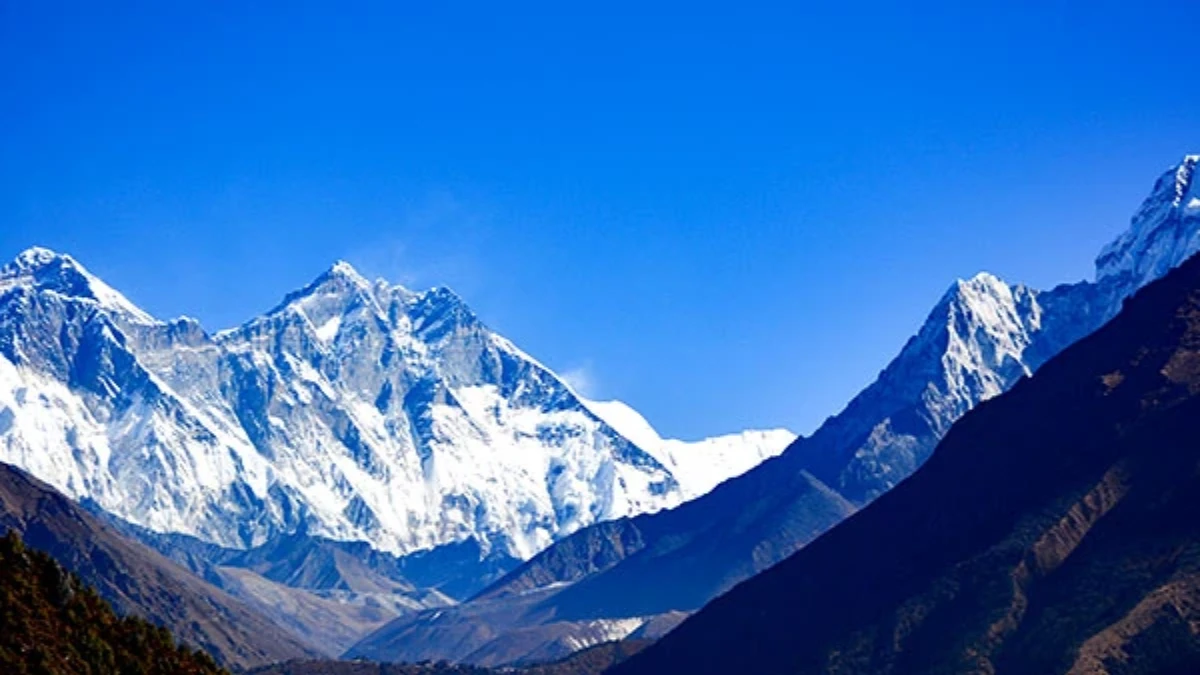
Here, the geography is characterised by convergence. The Dhading River, which is a smaller part of the Trishuli River system, runs through the town. Hills rise on all sides, with terraced fields and small towns covering their lower slopes. The land to the north rises steadily through rougher and rougher terrain until it reaches the Ganesh Himal range and the boundary with Tibet. To the south, the country opens up to the wider valleys of central Nepal and the roads that lead to Kathmandu.
This place has shaped the character of Dhading Besi for hundreds of years. It is at the natural meeting place of hills and valleys, where things come down from the mountains and supplies go up. The river gives us water, the hills around it give us wood and farming, and the location gives us access. In every way, its topography defines it. Related: Tipling Village Guide, Hot Springs and Gateway to Ruby Valley.
How Do You Get to Dhading Besi from Kathmandu?
Accessibility is what makes Dhading Besi possible. Here you can find the trailhead at the end of the road.
-
By car from Kathmandu: Driving from Nepal's capital is the most common way to get there. The trip is about 80 kilometres long and takes 3 to 4 hours by bus or car. The route goes west along the Prithvi Highway and then north at Malekhu. It then climbs through more and more rural areas until it reaches the district headquarters. The route is paved but not straight, and it goes through central Nepal, where you can see rivers, hills, and everyday life.
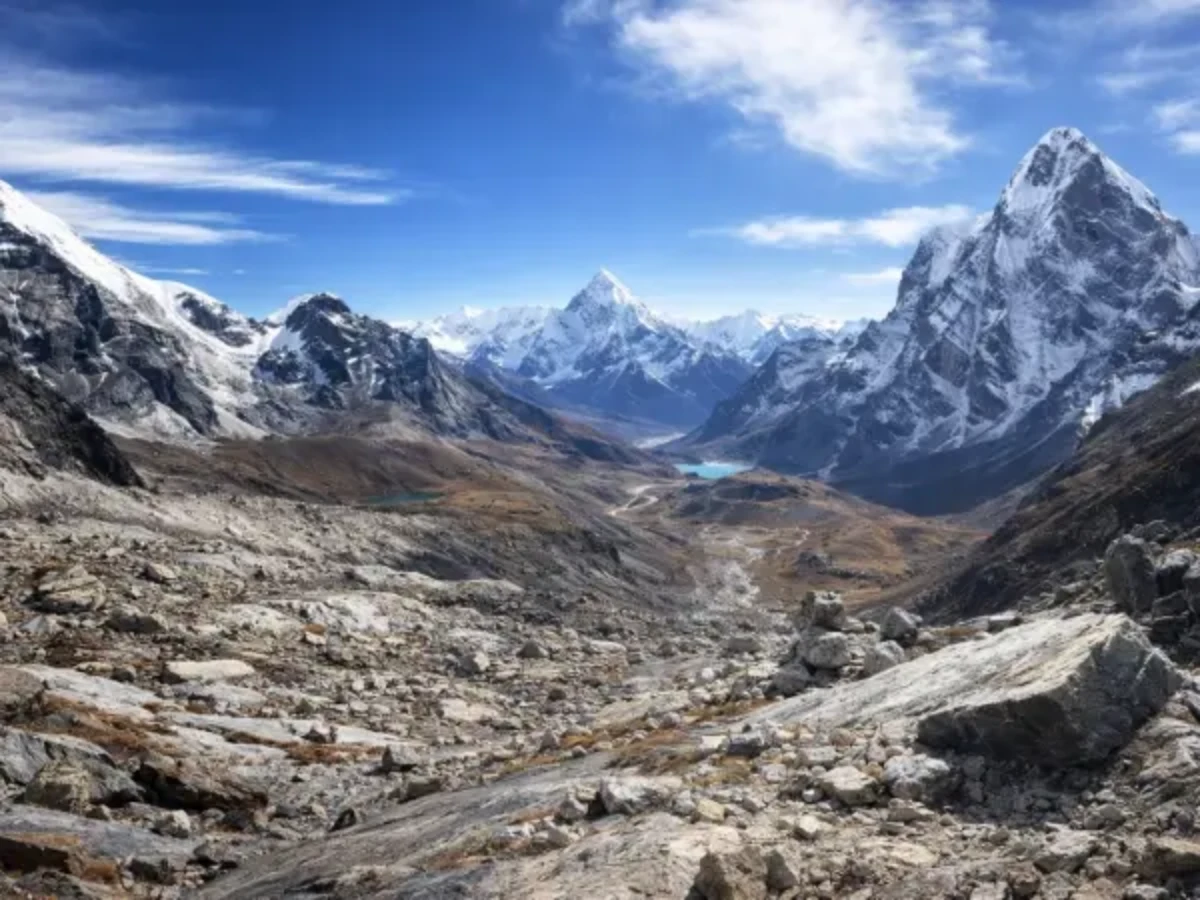
Cho La Pass crossing between Everest and Gokyo -
By Local Transport: Buses and jeeps run regularly between Dhading Besi and Kathmandu, as well as between Dhading Besi and minor towns in the area. This is the last spot hikers may get a ride before the trails start.
-
The Trailhead Function: Trails spread out from Dhading Besi like spokes of a wheel. The path goes north to Darkha, Tipling, and the Ruby Valley. Connections go east to the Rasuwa district and the Tamang Heritage Trail. To the west, roads go deeper into the Dhading hinterland. This is the entrance to every hike in this area.
-
Access All Year: Dhading Besi is open all year round, unlike the high settlements. The road is open all year; however, heavy rains during the monsoon season can sometimes slow things down. Because it is so reliable, the area is the best place to start your Himalayan excursions.
What Facilities Does Dhading Besi Have?
The district headquarters, Dhading Besi, offers superior facilities to small towns. The environment is extremely different from the simple places to stay in the upper settlements.
-
Places to Stay: Many hotels and resorts in the town may match any budget. For those on a tighter budget, there are tea houses; for those with more disposable income, there are hotels with private rooms and toilets. It's typical to have hot showers here, and they are a wonderful treat before the climb.
-
Food & restaurants: There are many places to eat on the main streets, and they provide everything from fried noodles and fresh veggies to traditional dal bhat and Tibetan momo. This is the last place to try a bunch of various cuisines before the menus on the upper routes get smaller.
-
Commercial establishments: Dhading Besi's bazaar is the main commercial hub of the district. Shops contain all the necessities that hikers might have left behind, like toiletries, snacks, batteries, and more. Fresh fruits and vegetables are readily available for last-minute purchases.
-
Banking and Connectivity: The town has banks with ATMs, which are quite useful for hikers because they won't find any other places like this. You can count on cell phone networks, and there are internet cafes where you may send your last messages before you travel into the mountains.
-
Government Services: Dhading Besi is the capital of the district. It has government offices, a hospital, a police station, and other structures for running the district. This means that people who are going on a trek can sign up for permits and seek aid if they need it.
-
Transportation Hub: There are bus parks and Jeep stops outside of town that link to all directions. This is where groups of trekkers get rides to the trailheads or back to Kathmandu.
What Is There to See in Dhading Besi?
In Dhading Besi, there are more things to do that are like those in a working town than those in a tourist town. They show themselves to those who take the time to look.
-
The Riverside setting: the Dhading River is what makes the town unique. You may see how people live by walking along its banks and watching them wash clothes, bathe, and get water. The sound of the river is always there to make things in town more fun.
-
The Weekly Bazaar: The town transforms on certain days of the week when farmers and traders from the adjacent hills come to buy and sell. The bazaar has temporary stalls set up with fresh vegetables, spices, clothes, and things for the home. It turns into a whirlwind of smells, sounds, and colours. This is the most active commerce in the Himalayas.
-
The Old Bazaar Area: Get off the main road and see the oldest portions of town. There are still some buildings with carved wooden windows and stone foundations that are hundreds of years old, which show off traditional Newari and Tamang architecture.
-
Temples and Shrines: Dhading Besi has various little temples that meet the spiritual demands of its diverse population. You may observe Hindu shrines and Buddhist stupas on a walk around the city. This feature indicates how many different religions are in central Nepal.
-
You may see the sunset from the Ridges: A short trek up from town will lead you to spots where the dying light turns the hills in the distance gold. On sunny days, you can clearly see the northern Ganesh Himal peaks. This panorama is a sneak peek of the mountains that people will see when they hike.
-
The Bridge Crossings: Several suspension bridges over the Dhading River connect the town to adjacent towns. Standing on these bridges and watching people cross with their daily loads shows something important about living in rural Nepal.
What Should You Do Before Starting Your Trek?
Dhading Besi residents spend their time preparing, observing, and gradually adapting to the relaxed lifestyle of the highlands.
The most important thing to do is get ready for the hike. To pick up any last-minute necessities, stop by the store. At your resort, please review your gear and adjust it as needed. Make sure you have the necessary blueprints and permits. The town's mission is to do this, and trekkers are a key part of its economy.
-
Visit the bazaar: Even if you don't need anything, meandering around the markets is a wonderful way to spend time. A bazaar in a Nepali hill town gives you a different cultural immersion. To get better at it, talk to stores in Nepali. Try some of the local food. Feel the mood.
-
River Walks: Take a walk along the paths that run along the Dhading River. The finest times to visit are early in the morning and late in the afternoon, when people wash, bathe, and gather on the riverbanks.
-
Try Local Food: Eat as much of different kinds of food as you like. Before the dal bhat routine on the trails, this is your last chance to do something unusual. A place serving authentic Newari or Tamang cuisine should be easy to locate.
-
Meet Other Travellers: The lodges in Dhading Besi are popular with hikers heading in all directions. People gather in the dining areas to converse, share stories, and sometimes even form trekking groups.
-
Hill Walk Previews: Take a brief stroll on the lower slopes above town. This helps you become acquainted with the location and slowly shows you the terrain that is coming up.
-
Photography: There are many interesting things to photograph around the town, like portraits of market vendors, everyday life, how light plays on hills and rivers, and the difference between old and new.
Why Do Locals Value Dhading Besi?
For Nepalese travel geography, Dhading Besi is worth seeing. It is renowned as the "Gateway to the Ruby Valley and Ganesh Himal" since it is the last village before the trails start and the first settlement you see when you come back.
Hikers regard it as the place where all future trips and experiences will begin. People know about its weekly bazaars, which have been going on for hundreds of years and sell things from the hills and valleys around it. Trekkers eagerly await Dhading Besi, the first sign of civilisation after days or weeks on the road. Here, they may look forward to hot baths, cold drinks, and a huge selection of delicacies.
Dhading Besi is most famous for being a place of transformation and admission. Adventurers can get ready and start to mentally switch from city life to mountain living in a place that is somewhere between the chaos of Kathmandu and the peace of the mountain villages. Related: Kintang Fedi Village: Ruby Valley Guide.
Accommodation and Tea Houses
The places to stay in Dhading Besi are better than the little lodges on the upper paths.
-
Cheap Lodges: Cradle-to-roof inns are ideal for hikers who want to save money. Here, you can stay in simple rooms with foam beds, shared bathrooms, and kitchens. You might have to wait or pay for hot water, but it's worth it.
-
There are many hotels in the intermediate price category that have rooms with private bathrooms, hot showers you can bank on, and nicer linens. These are both a treat before the trip and a party after the trail.
-
In keeping with the traditional teahouse design, several establishments provide communal dining in cozy, intimate settings. These link the way to the village.
-
Most Dhading Besi hotels have steady power, phone charging, and sometimes Wi-Fi. This is not the case in the mountain villages. There are many different kinds of food to choose from. You can pick from many kinds of meals. Before you get to the mountains, you won't get to experience city life again.
-
The atmosphere: the lodges are where people who want to hike meet. You can hear people speaking different languages at the dinner table, see maps on the table, and hear people giving each other free advice. This is where lone hikers start to find friends.
The Ruby Valley route in numbers
The main stages of our 9-day itinerary, with altitudes from the itinerary.
| Day | Stage | Distance and time |
|---|---|---|
| Day 1 | Drive, Kathmandu to Syabrubesi (1,503 m) | 7 to 8 hours |
| Day 3 | Gatlang to Somdang (3,271 m) via Parvati Kund and Yuri Kharka | Full day |
| Day 4 | Somdang to Tipling (2,078 m) over Pangsang Pass (3,842 m) | Full day |
| Day 5 | Rest day at Tipling | Rest |
| Day 6 | Tipling to Borang (1,800 m) | 4 to 5 hours |
| Day 7 | Borang to Kintang Fedi (2,495 m) | 10 km, 6 to 7 hours |
| Day 8 | Jeep, Kintang Fedi to Dhading Besi | 35 to 45 km, 5 to 7 hours |
The Best Time to Go
Unlike the top villages, Dhading Besi is open all year, but the seasons do change the experience.
-
The town gets the most visitors in the spring (March to May) and fall (September to November) hiking seasons. People bustle in the streets, merchants swarm, and trekkers occupy the motels. The temperature is about right, not too hot or too cold. This time of year is the finest for both town visits and trek launches.
-
Winter is when there are fewer tourists and the weather is nicer. Most days are clear and sunny, but the nights are cold. You can relax in the town's quiet. With the correct equipment, hikes are still possible.
-
In the monsoon season (June to August), the rains convert the countryside into a lush green carpet, but they also make hiking harder. Leeches and slippery paths keep all but the most dedicated hikers away, yet Dhading Besi is still easy to get to. When the town isn't too busy, guests can appreciate its peace.
-
Festival Times: Visiting Nepal during its biggest festivals is an experience you'll never forget. During Dasain, Tihar, and Holi, the town is full of celebrations. Visitors may see the town at its best, eat strange delicacies, and take part in special events.
Hotel & Contacts
|
Hotel |
Contacts |
|
Dhading Creek Resort |
+977-10-521-416 |
|
Hotel Janajibika |
+977-10-520-404 |
|
Mega Hotel |
?+977-984123967 / 9841479322 |
|
Gumdi Hotel |
+977-9813769005 |
Related Treks & Guides
Dhading Besi is one of those places most trekkers drive through without stopping. That is a mistake. If you are heading to the Ruby Valley or the Tamang Heritage Trail, spend a night here. Walk the bazaar in the morning. Eat dal bhat at one of the local places near the bus park. It is a real Nepal town doing real Nepal things, and that is worth your time.
If you want help planning a trek through this part of Nepal, we know these trails well. Our guides grew up in these hills.
WhatsApp:+977 9810351300
Email:[email protected]
Written by Shreejan Simkhada, CEO of The Everest Holiday and third-generation Himalayan guide. TAAN Member #1586.
Ruby Valley is the off-radar gem from Dhading. Our Ruby Valley Trek (9 Days) is private (your group only, no strangers), 2027 dates open, From USD $560. WhatsApp us for tailored 2027 dates and current departures.
 Chat with Shreejan