

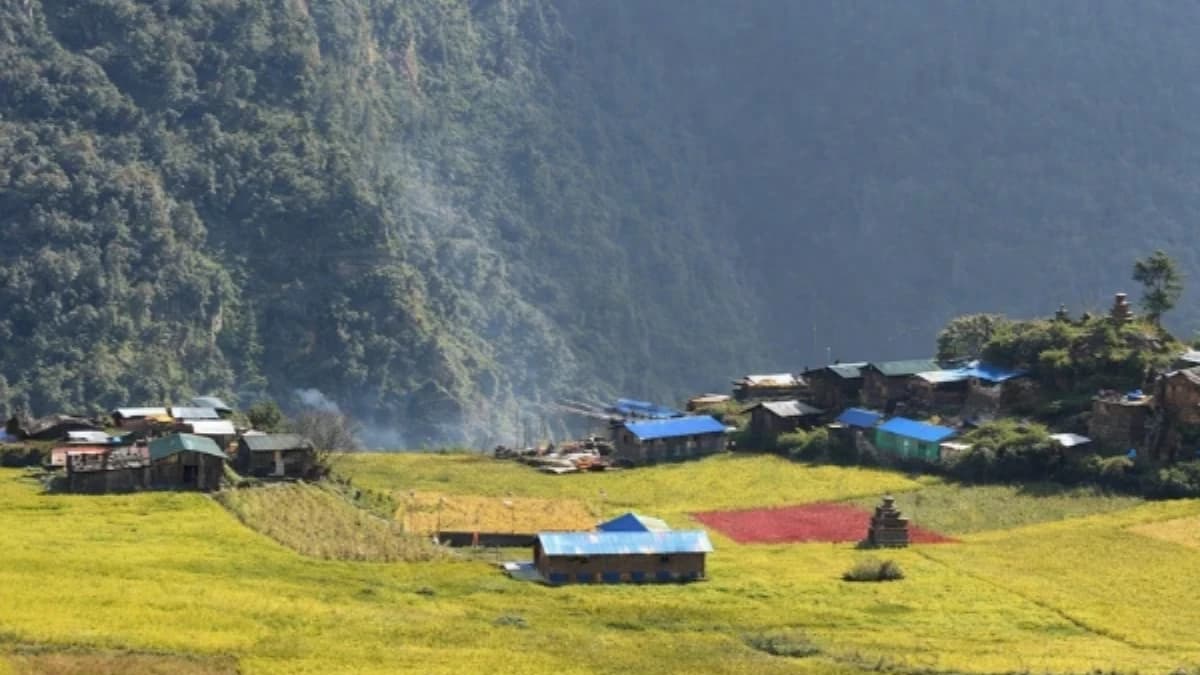
Chumling sits above the Shiar Khola River in a part of Nepal that most trekkers have never heard of. The Tsum Valley is restricted, remote, and deeply Tibetan in character, and Chumling is where you first feel that. This traditional Himalayan settlement offers trekkers a rare chance to see authentic Tibetan-Buddhist culture, dramatic mountain scenery, and a way of life that has remained unchanged for generations. For those trekking the Tsum Valley or combining it with the Manaslu Circuit, Chumling is not just a stop on the trail but a place that leaves a lasting impression.
Far from busy roads and modern development, Chumling represents the heart of the Tsum Valley experience. One of the most memorable settlements in the area, it has stone cottages, old monasteries, prayer flags, and friendly locals.
Where Is Chumling on the Tsum Valley Trek?
Chumling village lies at an altitude of approximately 2,386 metres above sea level, making it one of the lower settlements in the upper Tsum Valley. It is located on the eastern side of the Shiar Khola, surrounded by steep forested hills, terraced fields, and distant snow-covered peaks. The village is part of the Tsum Valley, a sacred Himalayan valley bordering Tibet, known for its untouched landscapes and deep spiritual roots.
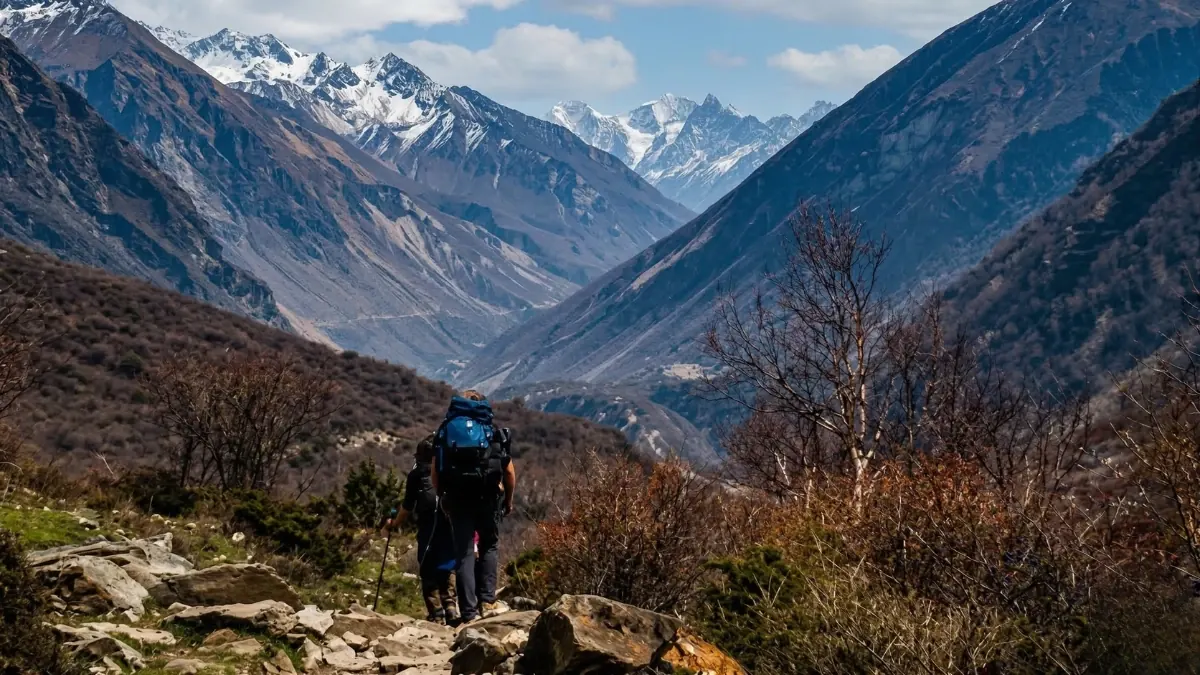
The trail to Chumling branches off from Lokpa, the first village of the upper Tsum Valley. From Lokpa, trekkers cross suspension bridges and walk along narrow mountain paths carved into hillsides. As you approach Chumling, the valley opens up, revealing cultivated fields and clusters of traditional stone houses decorated with prayer flags fluttering in the mountain breeze.
What Is Culture and Life Like in Chumling?
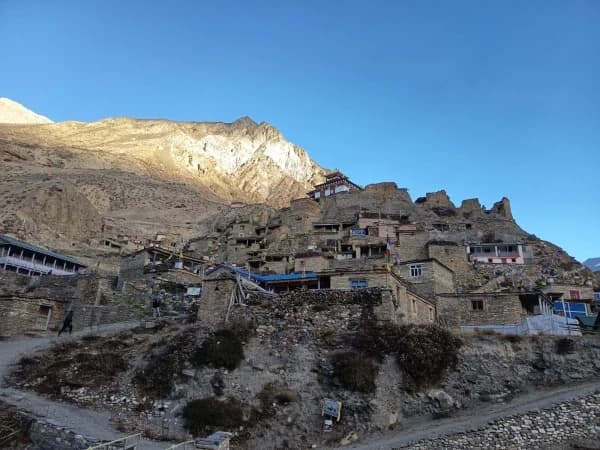
Chumling is deeply influenced by Tibetan Buddhism, and religion plays a central role in daily life. The village is home to several ancient monasteries, including Chumling Gompa, which is a spiritual centre for the community. Mani walls, chortens, and prayer wheels line the trails, reminding visitors that this valley is considered a beyul, or hidden sacred land, according to Buddhist belief.
The people of Chumling are primarily of Tibetan origin and speak a local dialect closely related to Tibetan. Their lifestyle is simple and closely connected to nature. Farming, livestock herding, and seasonal trade are the main sources of livelihood. Barley, maize, potatoes, and buckwheat are commonly grown, while yaks and goats are raised for milk, wool, and transport.
Visitors are often struck by the warmth and humility of the villagers. Despite living in a remote and challenging environment, locals welcome trekkers with genuine smiles, offering tea, simple meals, and stories about life in the valley. Staying in Chumling provides an authentic opportunity to observe daily routines, religious practices, and family life in a Himalayan village.
How does Chumling fit into the Tsum Valley trek?
Chumling plays an important role on the Tsum Valley trekking route and is often the first village where trekkers start to get a feel for the valley. After entering the upper Tsum region, many travellers reach Chumling as their next major settlement, making it a natural place to stop, rest, and adjust to the increasing altitude. For this reason, most trekking plans include at least one overnight stay here, and some spend an extra day to explore the surroundings.
The village is well suited for slow exploration. From Chumling, short walks lead to nearby monasteries, hilltops, and traditional hamlets scattered across the valley. Trekkers can spend time walking through terraced fields, observing daily village life, and visiting local gompas without the pressure of long or demanding hiking days. This relaxed pace allows visitors to connect more deeply with the culture and rhythm of life in Tsum Valley.
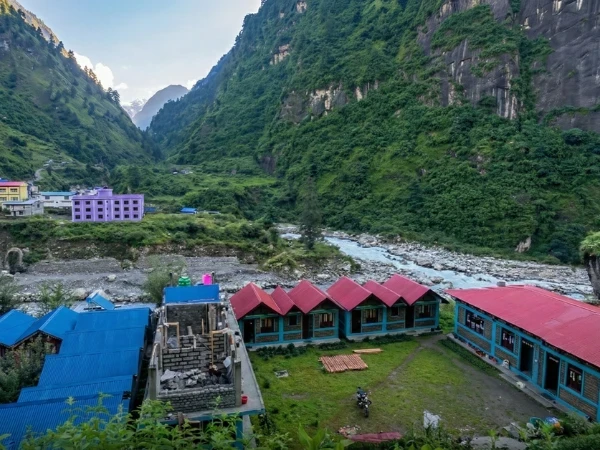
Accommodation in Chumling is simple but comfortable. Small, family-run teahouses provide basic rooms and warm meals, creating a welcoming place to rest after a day on the trail. Facilities are modest, yet clean and well cared for. Meals are prepared using local ingredients and commonly include dishes such as dal bhat, boiled potatoes, tsampa, noodles, and seasonal vegetables. In the evenings, guests often gather around a traditional wood-burning stove, sharing stories with fellow trekkers and local hosts while enjoying the quiet and isolation of the mountains.
What does the landscape around Chumling village look like?
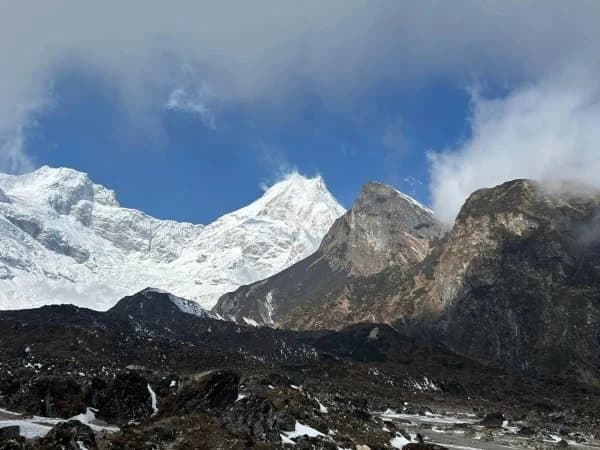
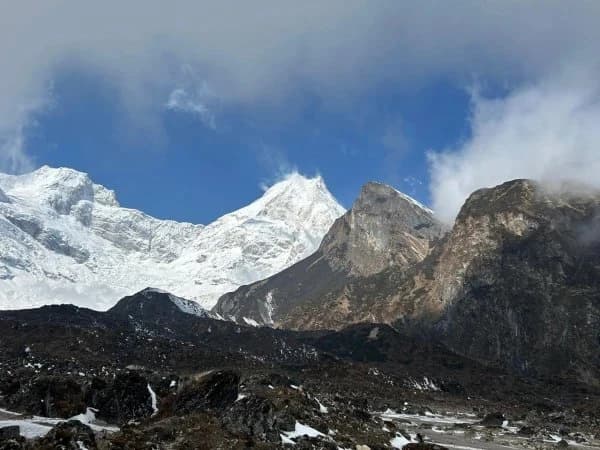
The setting of Chumling is peaceful and scenic, surrounded by forests, hills, and distant Himalayan peaks. Tall pine trees and rhododendron forests cover the slopes around the village, creating a natural shelter that changes colour with the seasons. Beyond the forests, snow-covered mountains rise above the valley, offering striking views on clear days.
From Chumling, trekkers can see parts of the Ganesh Himal and Shringi Himal ranges, especially in the early morning and late afternoon when the light is soft. The area is also rich in plant and animal life. Various bird species are commonly seen, and with some luck, wildlife such as Himalayan tahrs or musk deer may appear along forested trails. During spring, the paths around the village are lined with wildflowers, adding colour and life to the landscape.
Below the settlement, the Shiar Khola flows steadily through a deep gorge. Fed by glacial melt, the river adds a sense of power to the otherwise quiet environment. The sound of flowing water can be heard throughout the day and night, reinforcing the feeling of remoteness and calm that defines Chumling and the wider Tsum Valley.
When is the best time to visit Chumling in Tsum Valley?
Weather conditions in Chumling vary greatly throughout the year, and choosing the right season can shape the entire trek.
Spring, from March to May, is one of the most pleasant times to visit the village. Temperatures are moderate, the skies are often clear, and the forests surrounding Chumling come alive with blooming rhododendrons and other mountain flowers. Days are comfortable for walking, while nights remain cool without being too harsh.
The summer monsoon season, which lasts from June to August, brings frequent rainfall to the region. Trails can become muddy and slippery, and there is a higher risk of landslides on lower sections of the route. Despite these challenges, the valley becomes incredibly green during this period, with strong river flow and fresh vegetation. This season is better suited to seed trekkers who are prepared for difficult conditions.
Autumn, from September to November, is considered the best time to trek through Chumling. After the monsoon rains end, the air clears, offering excellent visibility and stable weather. Days are cool and sunny, ideal for trekking, while nights are cold but dry. This period attracts the highest number of trekkers to the Tsum Valley and Manaslu regions.
Winter, between December and February, brings cold temperatures, especially during the night. Snow may fall at higher elevations, but Chumling itself usually remains accessible. Fewer visitors come during winter, making the valley quiet and peaceful. For trekkers who can handle cold conditions, this season offers a calm and uncrowded experience.
Why is Chumling in Tsum Valley considered sacred?
For centuries, the Tsum Valley, including the village of Chumling, has been respected as a spiritually protected land. Local traditions say that Guru Rinpoche, also known as Padmasambhava, passed through this region while spreading Buddhist teachings in the Himalayas. Because of this belief, the valley developed strong values of compassion and harmony, including long-standing customs that discourage harm to animals and the natural environment. This deep spiritual foundation gives the area a calm, almost meditative atmosphere that visitors often feel as soon as they enter the valley.
Beyond its spiritual roots, Chumling also carries quiet traces of history. In the past, narrow mountain routes linked the valley with Tibetan trading areas across the border. Chumling served as a stopping place where traders, pilgrims, and travellers rested, exchanged goods, and shared news. Today, signs of this past remain in the form of ancient footpaths, weathered monasteries, and stories passed down by village elders, keeping the memory of those early connections alive.
What Do You Need to Know About Chumling?
Travel to Chumling requires special planning, as the Tsum Valley is classified as a restricted trekking area. Visitors must obtain the Tsum Valley Restricted Area Permit along with the Manaslu Conservation Area Permit, run by the National Trust for Nature Conservation, before entering the region. Trekking with a licensed guide is compulsory, not only for permit regulations but also for safety and cultural understanding. A local guide adds great value by explaining traditions, interpreting local customs, and helping travellers navigate remote trails.
Facilities in Chumling are limited, so preparation is important. Trekkers should carry warm clothing suitable for changing mountain weather, a reliable sleeping bag, personal medications, and basic toiletries. Electricity is usually available only in limited hours, and internet access is rare or slow. Rather than being a drawback, this lack of modern services enhances the sense of remoteness and allows visitors to fully disconnect and experience life in the mountains.
Is Chumling village worth visiting?
Chumling is not simply a resting point along a trekking route. It is a place where daily life, spiritual belief, and natural surroundings exist in quiet balance. The village’s peaceful setting, combined with the kindness of local residents and the surrounding Himalayan scenery, offers travellers a deeper perspective on mountain life in Nepal.
For those who want to move beyond crowded trekking trails, Chumling provides a chance to slow down and see the Himalayas at a more personal level. Time here is spent walking through fields, listening to prayer chants, and observing a lifestyle shaped by nature and tradition rather than tourism.
Whether Chumling is visited as part of the Tsum Valley Trek, combined with the Manaslu Circuit, or explored as a stand-alone cultural destination, it leaves a strong and lasting impression. The village captures the essence of Nepal’s hidden mountain regions, reminding visitors that the most meaningful journeys often lead to places where simplicity, silence, and tradition still guide everyday life.
Where to Stay in Chumling
Lodge accommodation in Chumling is included in every Tsum Valley trek package we run. Your guide books your room on arrival, so you do not need to contact lodges directly. Chumling is the first proper village inside the sacred Tsum Valley, and the lodges here are run by Tsumba families with twin rooms, traditional dal bhat, and a stove-warmed common room.
Related Treks & Guides
- Tsum Valley and Manaslu Circuit Trek
- Tsum Valley Trek
- Manaslu Circuit Trek
- Dharmashala & Jagat
- Bhimtang
Chumling is the Tsum Valley at its most authentic. The Tibetan monastery, the stone houses, the terraced fields clinging to the mountainside: this is a village that exists because people have farmed this slope for centuries, not because trekkers walk through. You are a guest here in the truest sense of the word.
Chumling is on our Tsum Valley trek.
WhatsApp:+977 9810351300
Email:[email protected]
Written by Shreejan Simkhada, CEO of The Everest Holiday and third-generation Himalayan guide. TAAN Member #1586.
Chumling is your first night in Tsum Valley. Our Tsum Valley Trek (16 Days) is private (your group only, no strangers), 2027 dates open, From USD $999. WhatsApp us for tailored 2027 dates and current departures.
Continue planning your trek
This is one stop on the Tsum Valley trail. For the full route, read our Manaslu and Tsum region guide. When you are ready for dates and prices, see the Tsum Valley Trek (16 days) or WhatsApp us directly. We reply personally.

 Chat with Shreejan