

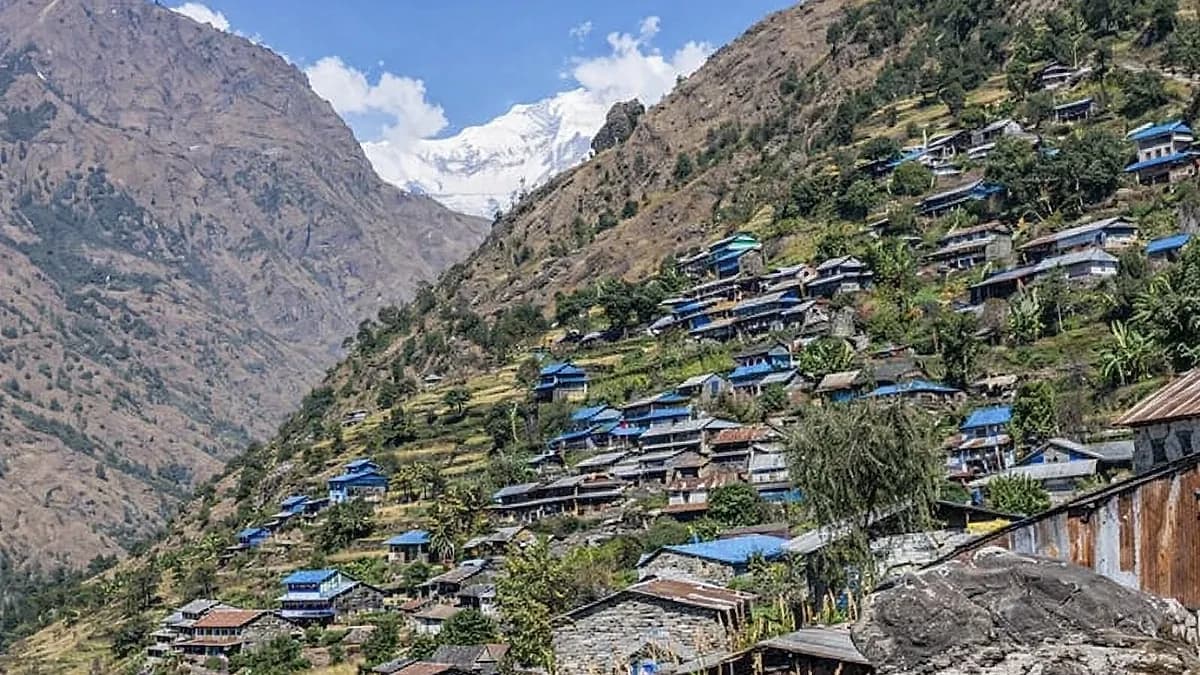
Short answer: Borang is a high village in northern Dhading on the Ruby Valley circuit, the last safe overnight before the trail climbs to the high passes. You reach it only on foot, after days of walking through forest and ridges. It is on our Ruby Valley trek.
The Himalayas conceal Borang Village like a secret. It is situated at the boundary between the developed world and the wild mountain beauty. You don't just happen to find that place; you work hard for it. It's a reward that you see after days of walking through woods and across ridges. Borang is at a wonderful height where the air feels like it's always snowing and the ground still remembers how warm the sun was. This town is the last safe place to stay before the land rises into the realm of high passes and untouched peaks for travellers on the Ruby Valley circuit or going beyond the Tamang Heritage Trail. When you reach Borang, you'll see why some places are hidden: only those who walk can get there.
Where Is Borang in the Ruby Valley?
Borang is strategically located in a beautiful area in the northern part of Nepal's Dhading district, which is part of the Bagmati Province as a whole. The village is on top of a ridge with sweeping views in every direction. Its high elevation puts it fully in the high Himalayan zone.
The landscape here is made up of transitions. Below Borang, the hills drop in waves of trees toward the warmer slopes of Dhading. As you go up from the village, the landscape gets rougher, going from alpine meadows to the rocky outcroppings that watch over the Tibetan borderlands. The town is built on the side of a mountain that slopes down, and the stone houses are crowded together to keep warm in the Himalayan winds. The Ganesh Himal range, which is very big, covers the horizon to the north. Its glaciers feed rivers that rush through the gorges below. Ridge lines run to the south and east, connecting Borang to a network of old trade routes and the familiar landscapes of Rasuwa and the Langtang area.
Accessibility
Getting to Borang is an adventure that takes a lot of hard work, but the trip itself adds to the magic of the destination.
-
How to Get There: Borang is on the network of trails that connect the Ruby Valley to the Tamang Heritage Trail. Gatlang, or Tipling, is the most popular way to get there. It takes a full day to walk through rhododendron and oak forests, across ridges with views that keep getting better, and past temporary herder settlements where the only sounds are the wind and birds.
-
The Somdang Connection: The trail to Borang goes up a lot, away from the river valley and toward higher ground. This is for people coming from the old mining outpost of Somdang. This trail leads to many different types of scenery, from the moon-like rocks near the old mines to the lush woods around Borang.
-
The High Pass Route: The most exciting way to get there is from the north, by crossing the Pangsang La or one of the other high passes that connect Borang to the areas inside the Himalayas. These trails are for expert hikers only, as they require good weather, time to acclimate, and often a local guide.
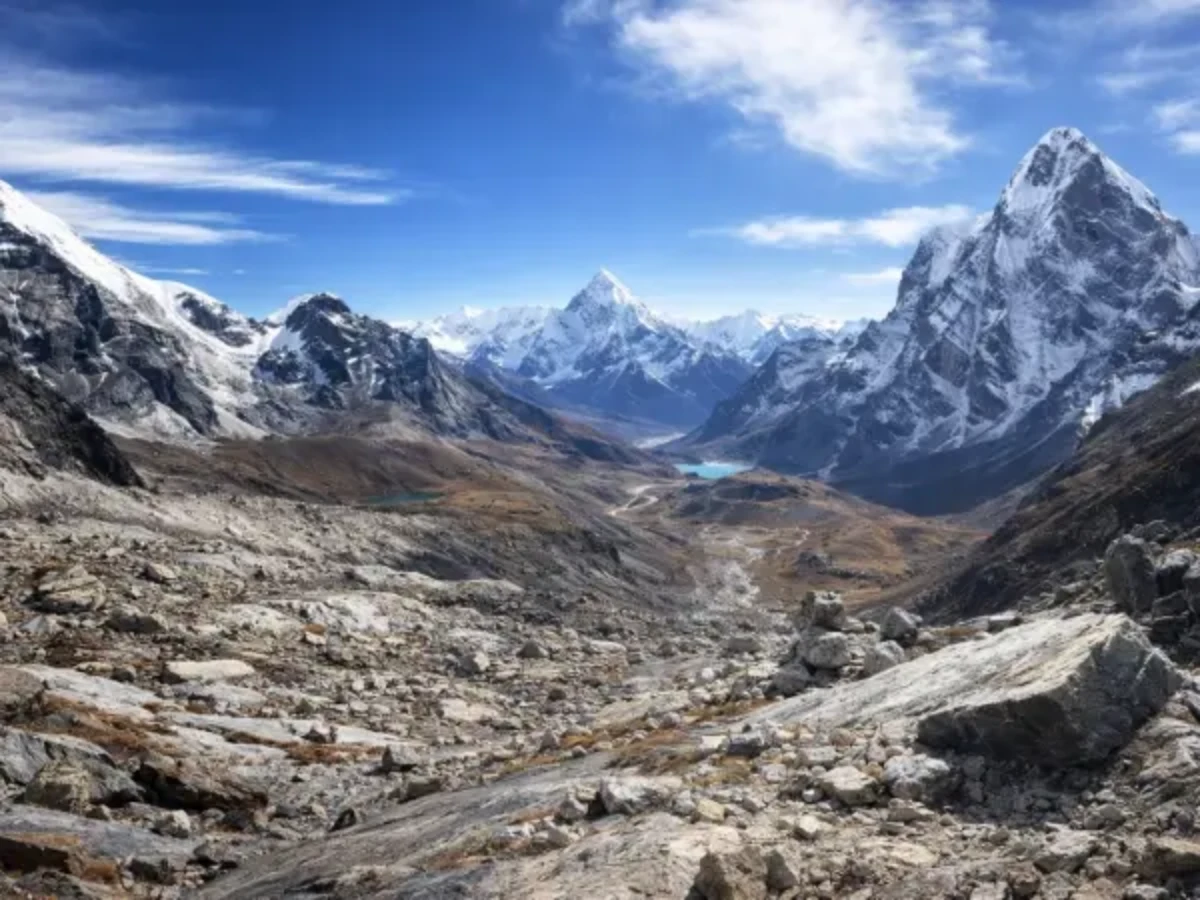
Cho La Pass crossing between Everest and Gokyo -
Seasonal Windows: Like all towns in the high Himalayas, you can only get to Borang at certain times of the year. In the spring and fall, the trails are always busy. In the winter, snow can close the passes for months at a time.
Facilities
Borang gives travellers everything they need and nothing they don't: a way of staying that comes from generations of Himalayan kindness.
-
The Village hotels: The main way for tourists to get around Borang is through a small group of family-run hotels. They were built traditionally, with thick stone walls that keep the heat from the day inside on cold nights, slate or tin roofs that keep out the wind, and smoky, pine-scented wood inside.
-
Basic amenities: The bedrooms have foam beds and warm blankets, and the shared kitchen has wood-burning stoves. Meals are produced with local cuisine. Electricity is limited, usually comes from the sun, and is only on in the afternoons. This place doesn't have internet, and phone signals aren't very good.
-
Clean Water and Toilets: Old-fashioned systems bring water from mountain springs to the town's public faucets. The toilets are simple but clean, and you can only take a hot shower when the sun is shining on the solar panels or when the stove can heat a bucket of water.
-
Food from the Area: There is a little store in town that sells batteries, noodles, biscuits, and other essential medicines. But travellers should come prepared by bringing their toiletries, first aid supplies, and any other unique things they may need.
The Major Attractions
Borang attractions extend beyond mere checklist items. Instead, they're experiences that grow on people who stay for a while.
-
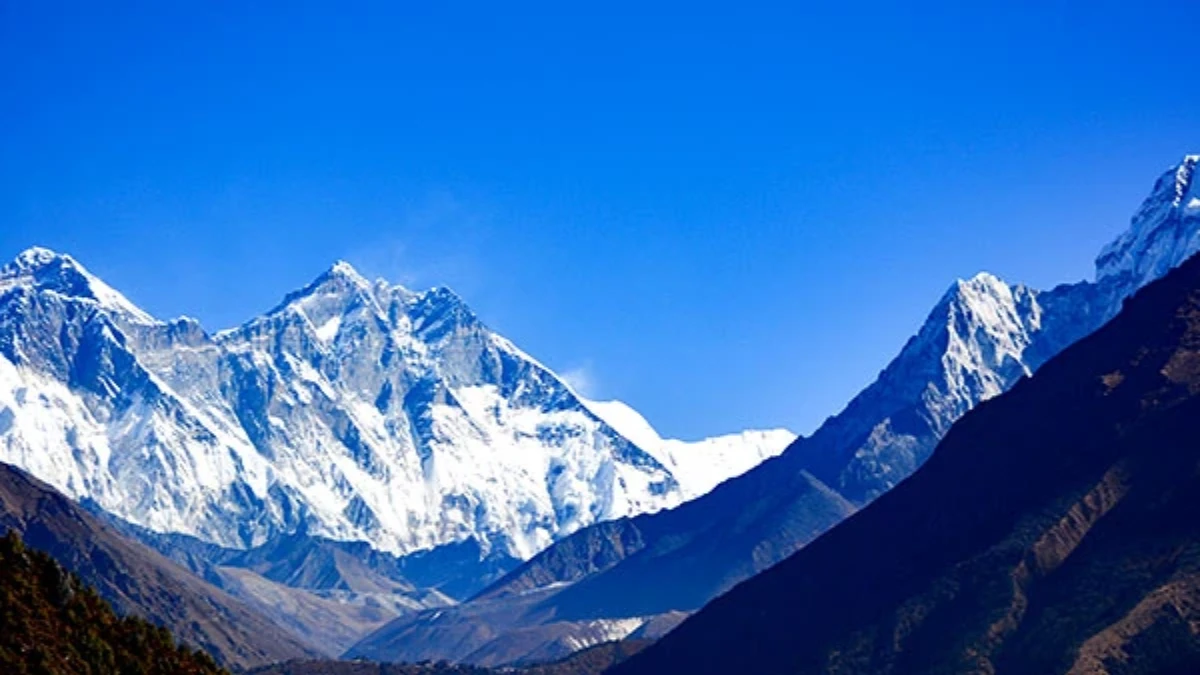
The Himalayan Panorama: The view from the slope above Borang takes in some of Nepal's most beautiful mountain scenery. The Ganesh Himal range is beautiful, with hills that catch the first light of dawn and hold the last light of sunset. On clear days, you can see Langtang Lirung and the faraway Tibetan hills in the distance.
-
The Old Trade Routes: For hundreds of years, traders have used the tracks around Borang to bring goods from Tibet to the hills of Nepal, like salt, wool, and grain. Today, when you walk these paths, you are walking through history. You will see mani walls and chortens that have been worn down by weather and time.
-
The Rhododendron woods: In the spring, the woods around Borang come alive with colour as the old rhododendron trees bloom. The hillsides transform into lively canvases of red, pink, and white, creating a vivid scene.
-
Native Village Architecture: Borang has preserved its native building styles more effectively than many other, well-known villages. With their wooden balconies and carved windows, the stone homes are an example of a style of architecture that has been changed over hundreds of years to fit the needs of people living at high elevations.
-
The Night Sky: From this height and without any light pollution, the night sky over Borang is something that people who live in cities can only dream of seeing. The Milky Way is like a river of stars stretching across the sky. When there is no moon, it is so dark that the stars look like they could touch.
Activity to Do in Borang
The terrain and the way of life in the hamlet make activities happen organically.
-
Ridge Walks at Dawn: Get up before dawn and walk the short distance to the ridge that is above the settlement. Seeing the sun rise over the Himalayas and paint peak after peak in gold and rose is something you'll never forget.
-
Cultural Exchange in the Village: Spend time in the village itself. Sit with the owners of the lodge as they cook. You may see kids playing in the village plaza. Say yes to tea invitations. These unplanned times are the most authentic cultural immersions Borang has to offer.
-
Day Hikes to Higher Pastures: Go with local herders as they shift their cattle to higher pastures. These day treks go through alpine meadows full of wildflowers, along clear streams, and to viewpoints that show off even wider views of the mountains.
-
Photography trips: Borang is a photographer's dream, with everything from close-up village settings to huge landscape panoramas to shoot. The light changes all day long, giving you numerous chances to take pictures of anything special.
-
Meditation & Solitude: Borang has quiet and space for people who want their inner landscapes to match their outward ones. Find a peaceful rock that looks out over the valley, sit there, and listen to the wind and water in the distance. Let the Himalayas work on your spirit.
What Is Borang Well-Known For?
Borang has a special and respected place in the geography of Himalayan travel. People like it because it is known as the "High Sentinel of the Ruby Valley," which is the final big settlement before the trail goes up to the passes that lead into the inner Himalayan mountains.
Borang is known among experienced hikers as the best place to acclimatise because it is high enough to get the body ready for higher elevations but low enough to rest comfortably. The town is known for its vistas of the Ganesh Himal range that don't stop. These views are as excellent as those from more popular hiking spots, but without the crowds. But maybe the most important thing is that Borang is a popular area since traditional Himalayan life goes on as usual there. Borang is still mostly a community of farmers and herders who happen to welcome hikers. This is different from settlements on major hiking circuits that have changed their rhythms to fit the steady flow of tourists. This is what makes it so appealing and what makes it so special. Related: Somdang Village Guide: Ruby Valley Trek & Historic Mines.
Where Can You Stay in Borang?
Staying in Borang means getting the most authentic Himalayan hospitality.
-
Family-Run Lodges: There are several family-run lodges to choose from, each with its own history and personality. These aren't businesses in the Western sense; they're parts of family life where guests are welcome to stay.
-
The Lodge Experience: The rooms are modest and useful. They have four walls, a window with a view, and a bed with a mattress and blankets. The bathroom is usually communal, and the shower is simply a pail of hot water that you heat on the stove in the kitchen. The dining room, which is warmed by a wood fire, is the lodge's social centre, where guests tell stories and residents share warmth.
-
Dining and Meals: The cuisine is produced with potatoes, millet, buckwheat, and whatever vegetables are in season and grown close by. Dal bhat is the main dish, and it is usually served with pickles and basic curries. The food is real, healthy, and tastes like the mountains.
-
The environment: The environment is what makes Borang's accommodations stand out. These are settings where guests are treated like visitors, not consumers. People can talk to each other easily, even if they don't speak the same language. When people dine and sit around the fire together, the line between traveller and host becomes less clear.
The best times to visit
The seasons not only change the weather, but they also change what it's like to visit Borang.
-
The best times to visit are from March to May and from September to November, which are the main seasons. The weather is consistent, the skies are clear, and the temperatures are suitable for hiking throughout these months. The rhododendron blooms in the spring, turning the forests into gardens. The best time to see the mountains is in the fall, when the weather is most stable.
-
Winter (December to February): People who are tough and want to be alone should visit Borang in the winter. During the day, the sun can be quite warm, but at night it can be very cold. Snow may block the upper passes, but those prepared for the cold can still reach the settlement. In the winter, the hot springs in nearby Tipling are even more inviting.
-
June to August is the monsoon season, which means rain, leeches, and mountains that are hard to see. Trails are becoming slick and rough, and the chance of landslides goes up. Borang is almost empty of other travellers, and the scenery is at its most beautiful and green if you're ready to suffer the weather.
Climate and Weather
The height and location of Borang in relation to the Himalayan massif determine its climate.
-
Spring: The weather gets warmer slowly in spring, with daytime highs between 12°C and 18°C. Nights stay cool, and the temperature regularly drops to near freezing. The smell of growing things fills the air as the forests start to come back to life.
-
Summer and monsoon: The average temperature in summer is between 15 and 20 degrees Celsius, although the humidity goes up when the monsoon rains. Afternoon rain showers are typical; they can be dramatic but are usually short, leaving the air fresh and the landscape sparkling.
-
Autumn: The weather is most consistent after the monsoon. The weather is warm and lovely, which is great for hiking. As winter gets closer, the nights get cooler. The view is at its best this time of year, with mountain views that look almost fake.
-
Winter: The cold and dry weather of winter. During the day, temperatures stay between 5°C and 10°C, while at night they drop considerably below freezing. When the sun is out, it really warms everything up, but the shade is rather cold. The village gets a little bit of snow from time to time, but it doesn't build up too much. However, the higher passes get too snowy to drive on.
Related Treks & Guides
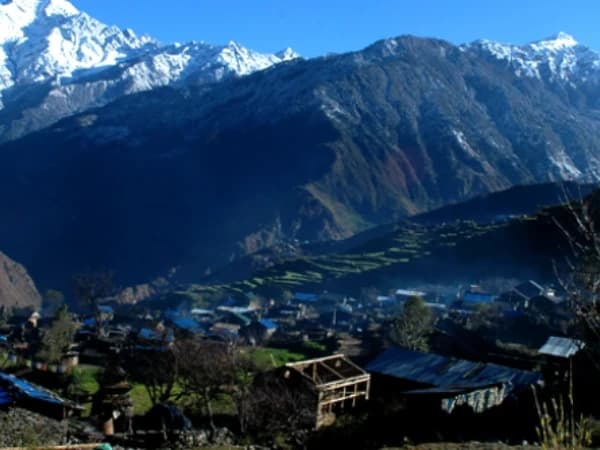
Borang sits high above the Ruby Valley like a sentinel watching over the terraces below. The Tamang people here farm the same slopes their ancestors farmed, and the view of Ganesh Himal from the village edge is one of those sights that makes you understand why people move to the mountains and never leave.
Borang is on our Ruby Valley Trek.
WhatsApp:+977 9810351300
Email:[email protected]
Written by Shreejan Simkhada, CEO of The Everest Holiday and third-generation Himalayan guide. TAAN Member #1586.
Borang is the high sentinel of Ruby Valley. Our Ruby Valley Trek (9 Days) is private (your group only, no strangers), 2027 dates open, From USD $560. WhatsApp us for tailored 2027 dates and current departures.
Continue planning your trek
This is one stop on the Ruby Valley and Ganesh Himal trail. For the full route, read our Ganesh Himal Base Camp guide. When you are ready for dates and prices, see the Ruby Valley Trek (9 days) or WhatsApp us directly. We reply personally.

 Chat with Shreejan