

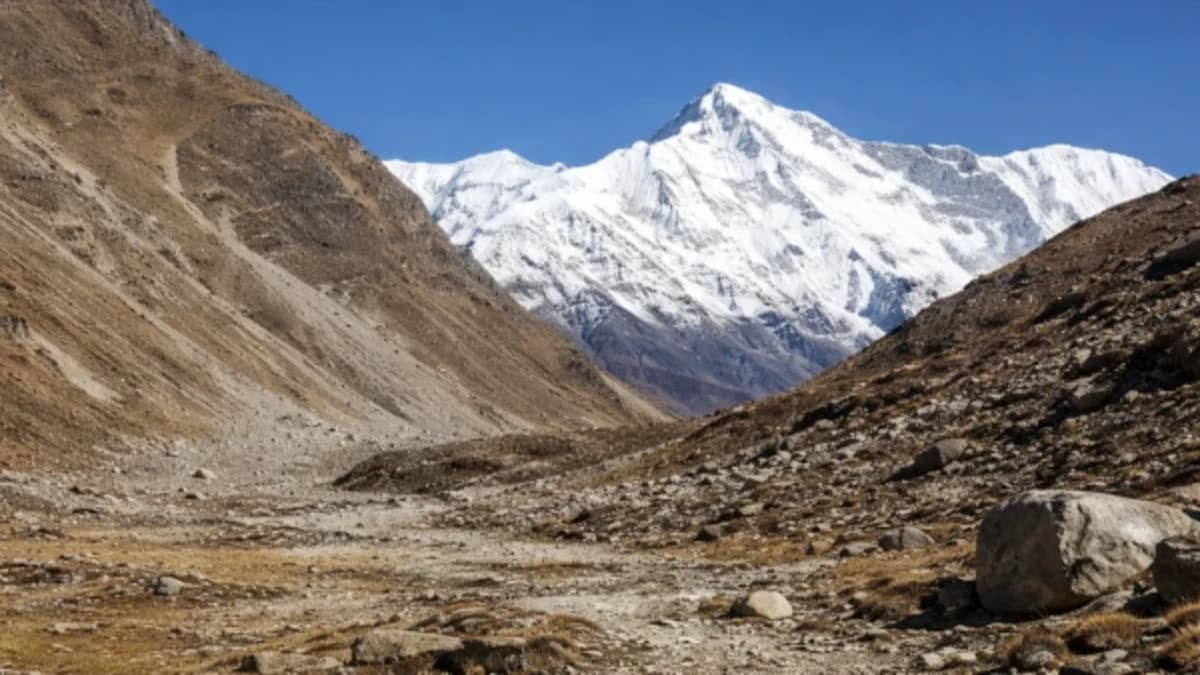
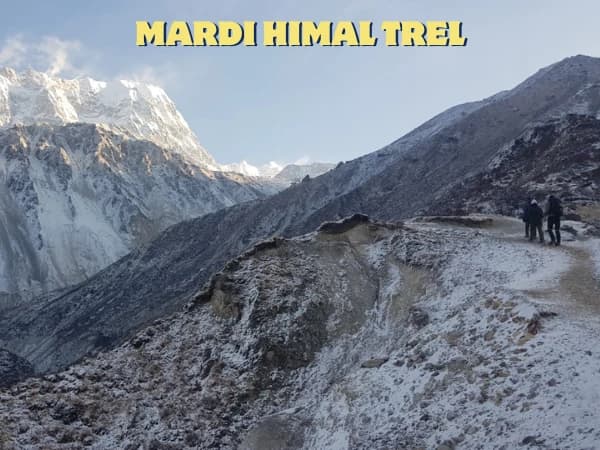
Short answer: The Annapurna Conservation Area is the largest protected area in Nepal, about 7,629 square kilometres in western Nepal around Annapurna I (8,091 m) and Machhapuchhre, and it contains the Annapurna Circuit, Annapurna Base Camp, Poon Hill and Mardi Himal treks. Every trekker needs the ACAP permit. Start with our Annapurna Circuit trek or Annapurna Base Camp trek.
The Annapurna Conservation Area (ACA), located in western Nepal, is the largest protected region in the country, spanning over 7,629 square kilometres. Known for its high peaks, deep valleys, and diverse landscapes, it is home to the iconic Annapurna Massif, including Annapurna I, which towers at 8,091 metres, and Machhapuchhre (Fishtail), one of the most photographed peaks in the world. The ACA is a great place for people who love to hike, explore nature, learn about other cultures, and go on adventures. Its combination of mountain scenery, rich biodiversity, and lively local culture makes it one of the most rewarding trekking destinations in the Nepal Himalayas.
Natural Beauty and Landscapes
The Annapurna Conservation Area offers a remarkable diversity of landscapes, ranging from subtropical forests, terraced farmlands, and rivers in the lower regions to alpine meadows, glaciers, and snow-capped peaks at higher altitudes. The area is recognised as a biodiversity hotspot, harbouring unique species such as the snow leopard, red panda, Himalayan tahr, musk deer, and Himalayan black bear.
The Marsyangdi River Valley, Modi Khola Valley, and Annapurna Sanctuary are particularly popular for their dramatic scenery. Birdwatchers can spot the Himalayan monal, blood pheasant, and other endemic birds. Photographers and nature lovers will find endless opportunities to capture the raw beauty of the Nepal Himalayas.
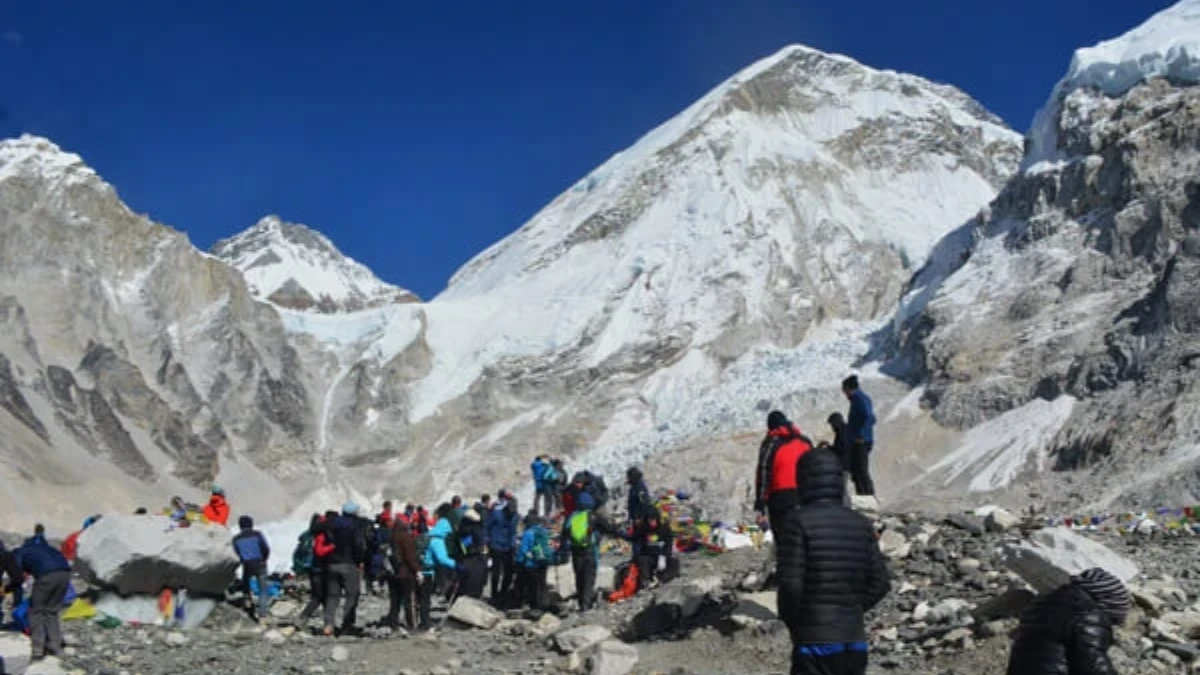
What ethnic communities and cultures live in Annapurna Conservation Area?
The ACA is home to several ethnic communities, each with its unique traditions, festivals, and lifestyle. Prominent groups include Gurung, Magar, Thakali, and Manangi communities. These communities have lived in harmony with the mountains for generations, cultivating millets, maize, rice, and barley while maintaining rich cultural traditions.
Gurung Villages: Villages like Ghorepani, Chhomrong, and Tadapani are inhabited by Gurung families, known for their hospitality and traditional homes made of stone and wood. The Gurung community practices a mix of Buddhism and animistic traditions, and their lives revolve around farming, festivals, and community rituals.
Magar Villages: Magars are primarily found along lower trails. Their villages feature traditional houses, terraced farms, and communal prayer spaces, reflecting a close connection to nature and local deities.
Thakali and Manangi Communities: Found in higher-altitude regions like Manang, these communities are famous for trading, hospitality, and cultural preservation. Thakalis are renowned for their traditional cuisine, including Dal Bhat and Thakali Thali, while Manangis are known for their mountain knowledge and trekking expertise.
Exploring these communities allows trekkers to experience authentic Himalayan culture, observe traditional clothing, handicrafts, and witness daily rituals that have survived for centuries.
What are the best trekking routes in Annapurna Conservation Area?
The ACA is well-known for having a lot of different hiking trails that are good for beginners, intermediate, and advanced hikers. Two of the most popular treks are:
1. Annapurna Base Camp (ABC) Trek:
Starting point: Nayapul or Pokhara
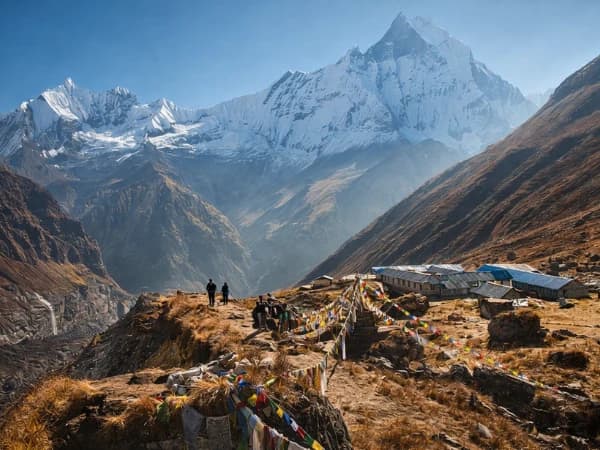
Key stops: Ghorepani, Chhomrong, Deurali, Machhapuchhre Base Camp
Highlights: Close-up views of Annapurna South, Hiunchuli, Machhapuchhre, rhododendron forests, and alpine meadows.
2. Annapurna Circuit Trek:
A longer trek circling the Annapurna Massif.
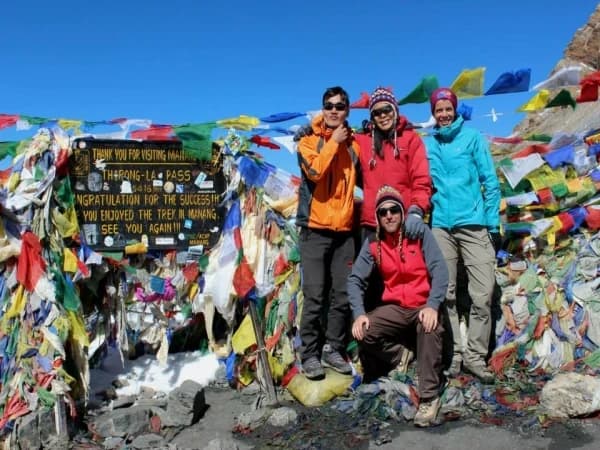
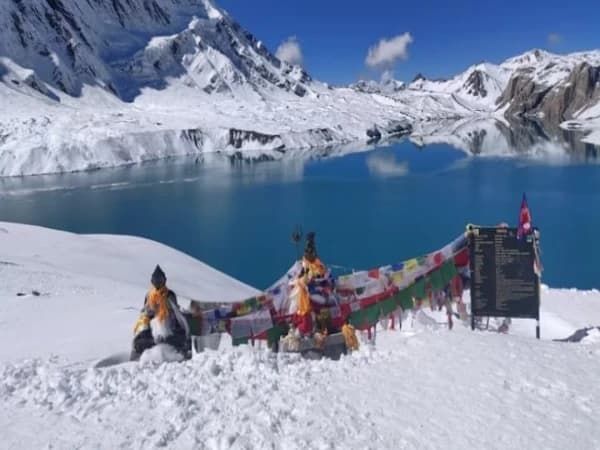
Key stops: Manang, Thorong La Pass, Muktinath, Jomsom
Highlights: Tibetan-style settlements, hot springs, and vistas of the mountains from above.
Other shorter treks, like Ghorepani Poon Hill Trek, are popular for sunrise views over the Annapurna and Dhaulagiri ranges, making it ideal for novice trekkers and photographers.
What permits do you need to trek in Annapurna Conservation Area?
To enter the ACA, trekkers must obtain:
-
Annapurna Conservation Area Project (ACAP) Permit
-
Trekkers’ Information Management System (TIMS) Card
These permits help ensure sustainable tourism, protect wildlife, and support local communities. Visitors are expected to follow park rules, respect cultural sites, and minimise environmental impact. Guides and trekking agencies can assist with permit acquisition.
What wildlife and birds can you see in Annapurna Conservation Area?
The Annapurna Conservation Area (ACA) is a haven for wildlife enthusiasts and eco-tourists. Spanning altitudes from subtropical valleys to alpine meadows, the area supports a diverse ecosystem. Among the mammals, trekkers may spot elusive animals like the snow leopard, a symbol of the high Himalayas, and the red panda, which thrives in the temperate forests of the region. Other wildlife includes the Himalayan tahr, a wild mountain goat adapted to rocky cliffs, musk deer, prized for their unique scent glands, and the Himalayan black bear.
The region is equally rich in birdlife, making it a haven for birdwatchers. The Himalayan monal, Nepal’s national bird, is known for its iridescent feathers and can often be seen in forested slopes. Other endemic birds, such as the blood pheasant, snow partridge, and kalij pheasant, are also commonly spotted by trekkers. Protected under the Annapurna Conservation Area Project (ACAP), these species thrive in their natural habitats, offering visitors a rare chance to observe Himalayan biodiversity up close. Eco-tourists are encouraged to tread lightly, avoid disturbing animals, and respect conservation rules, ensuring the preservation of this fragile ecosystem.
Is Annapurna Conservation Area worth visiting?
The ACA has something for almost everyone, combining adventure, culture, and nature.
For trekkers, the region offers challenging trails with wide-open views of the Annapurna range. From the sunrise at Ghorepani Poon Hill to the high passes of the Annapurna Circuit, the treks provide both physical challenge and visual reward.
If culture is your interest, the trails pass through the villages of the Gurung, Magar, Thakali and Manangi people. These communities maintain traditional practices, celebrate festivals, and offer homestays, giving travellers a chance to experience authentic Himalayan culture.
The landscape changes every day, from rhododendron forests, alpine meadows and terraced farmland to cold, clear rivers and waterfalls. The ACA’s biodiversity and protected wildlife create rare opportunities for eco-tourism, photography, and birdwatching.
Spiritual travellers can explore the many monasteries, temples, and sacred sites along the trails. Participating in or witnessing local festivals adds a meaningful spiritual dimension to the trek itself, connecting visitors with centuries-old Himalayan traditions.
From shorter treks like Ghorepani Poon Hill to longer, more remote routes along the Annapurna Circuit, the ACA offers an authentic Himalayan experience, blending adventure, culture, nature, and spirituality in one extraordinary journey.
Related Treks & Guides
The Annapurna Conservation Area is the most visited protected area in Nepal, and the management fee you pay at the checkpoint goes directly to trail maintenance, reforestation, and local community projects. It works. The trails are well-maintained, the teahouses meet standards, and the forests are recovering. Your conservation fee is one of the best investments you make on the trek.
The ACAP fee is included in all our Annapurna region treks.
WhatsApp:+977 9810351300
Email:[email protected]
Written by Shreejan Simkhada, CEO of The Everest Holiday and third-generation Himalayan guide. TAAN Member #1586.
Annapurna Conservation Area is our ABC home. Our Annapurna Base Camp Trek (9 Days) is private (your group only, no strangers), 2027 dates open, From USD $725. WhatsApp us for tailored 2027 dates and current departures.


 Chat with Shreejan