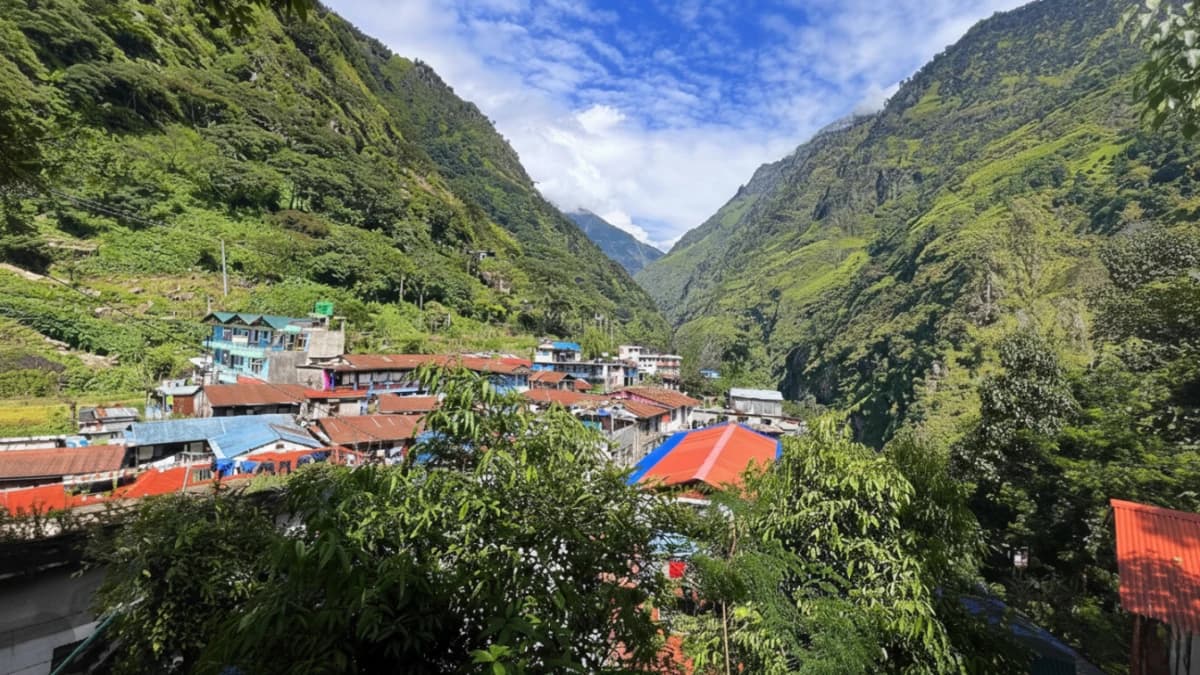
Jagat is a picturesque village in Nepal’s Gorkha District, located at an altitude of about 1,410 meters (4,625 feet). It lies along the Manaslu Circuit Trek route and is one of the first main stopping points for trekkers heading toward the remote Manaslu Conservation Area. The village, set between Arughat and Soti Khola, boasts lush forests, terraced farmland, and wide views of the Budhi Gandaki River. Jagat is well known for its calm atmosphere, friendly locals, and rich Nepali and Sherpa traditions.
As a gateway to the Manaslu Circuit Trek, Jagat offers important facilities for trekkers, including lodges, guesthouses, and small local shops where supplies can be purchased before continuing into the higher mountains. Its relaxed and peaceful setting makes it an ideal place to rest and recover after a long day on the trail.
The History of Jagat: A Himalayan Gateway
The Golden Age: The Capital of the Salt Trade
Jagat's most important job for hundreds of years was to be a key customs post on the Trans-Himalayan trade route. Big groups of yaks and mules would come from Tibet with chunks of salt, wool, and jewels. Officials in Jagat checked and taxed these commodities before they could go south to markets in Kathmandu and other places. Here, they also scrutinized things like grain, rice, and textiles moving north to Tibet. Because of this, Jagat became a busy place where Tibetan, Newari, and local traders could congregate. Many people and animals had walked on its stone paths, which had worn them down.
The Cultural Border
This trade history made Jagat a cultural border village. South of Jagat, the culture is predominantly Hindu, influenced by the communities of the lower hills. North of Jagat, the culture shifts completely to Tibetan Buddhism, seen in the monasteries, prayer flags, and language. Jagat itself became a fascinating blend of these two worlds, which you can still feel in the local traditions and daily life.
The Quiet Years: Isolation
In the mid-1900s, history changed Jagat’s fate. After China took control of Tibet, the ancient trade routes were closed. Then, the Nepali government declared the entire Manaslu region a “Restricted Area,” banning all foreign visitors. For almost 40 years, from the 1950s to the 1990s, Jagat was silent and isolated. The world forgot about it, and it returned to a quiet life of farming.
The Modern Era: The Trekking Gateway is Reborn
In 1991, everything changed again. The government opened the region for trekking, creating the now-famous Manaslu Circuit. Because of its perfect location, Jagat naturally became the first major village trekkers reach on foot after days of travel. Its historical role as a gateway was revived. Today, the official trekking permit checkpoint is located here, where every trekker's papers are verified—a direct echo of the old customs post. The old stone houses were adapted into the first lodges and teahouses. The ancient trail is now walked by hikers instead of traders.
Highlight of Jagat
1. The Official Gateway
Jagat is widely known as the true starting point for the Manaslu Circuit Trek. After arriving in Arughat by vehicle, the real trek on foot begins, with Jagat serving as the first major village you reach. It is an important place to spend a night, allowing your body to start adjusting to the higher altitude before going further.
2. A Living Cultural Experience
The village is home to Magar and Brahmin communities. Staying here lets you see their traditional way of life up close. You can learn about their daily routines, customs, and cultural practices, offering an authentic glimpse into rural Nepali culture.
3. Wild Natural Scenery
Jagat is surrounded by incredible natural beauty. Lush green forests and terraced farm fields cover the hillsides. The village offers beautiful views of the mountains, including glimpses of the mighty Mount Manaslu. The walking path to Jagat itself is scenic, taking you past small rivers, through forests, and along rocky trails.
4. Traditional Himalayan Architecture
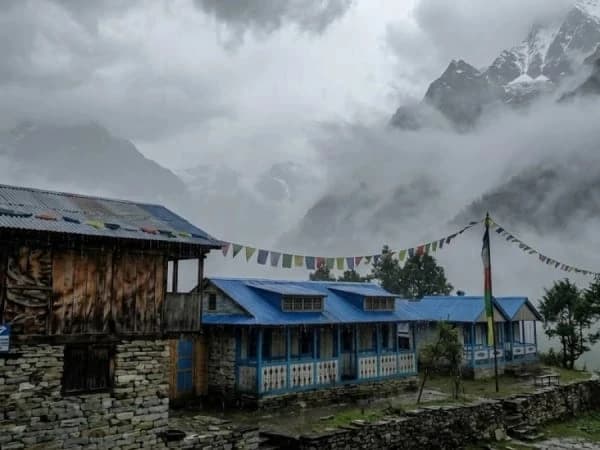
Walking through Jagat feels like stepping back in time. The houses are built in the classic local style, with sturdy stone walls and heavy slate roofs. You'll see detailed wooden windows, walk on old cobblestone paths, and notice colorful prayer flags decorating the village, giving you a real feel for traditional Himalayan life.
5. The Village Market
Jagat has a small but lively local market. This is a key spot for trekkers to buy last-minute supplies like snacks, bottled water, or basic trekking items. It's also a place where villagers meet to trade goods and socialize, making it a perfect spot to observe local life and culture.
Route to jagat
The route from Machha Khola to Jagat is a scenic and moderately challenging part of the Manaslu Circuit Trek. The trail covers about 22 kilometers and usually takes 6–8 hours to complete. Starting from Machha Khola at around 930 meters, the path follows the Budhi Gandaki River, passing through small villages such as Khorlabesi and Tatopani, where natural hot springs can be found. Trekkers walk on narrow, rocky trails with several suspension bridges, along with short but steep uphill and downhill sections. The route offers beautiful views of river gorges, waterfalls, terraced fields, and forests. On the way, basic teahouses provide meals and rest stops. The trek ends at Jagat (1,410 meters), a traditional stone village that marks the entrance to the Manaslu Conservation Area, offering comfortable lodges, local shops, and a peaceful place to rest for the night.
The best time to visit
Spring (March to May)
Spring offers mild temperatures and stable weather, making it a great time for trekking. During this season, rhododendron forests are in full bloom, adding bright colors to the trails and surrounding hills.
Autumn (September to November)
Autumn is the most popular season for the Manaslu Circuit Trek due to clear skies, comfortable temperatures, and excellent mountain views. The weather is generally dry and stable, providing ideal trekking conditions.
Winter (December to February)
Winter trekking is quieter, with fewer visitors on the trail. Although temperatures can be very cold, especially at higher elevations, the peaceful environment appeals to trekkers seeking solitude.
Monsoon (June to August)
The monsoon season brings frequent rainfall, which can make trails muddy and slippery. There is also a higher risk of landslides, making trekking more difficult during this period.
Where to Stay in Jagat
Teahouse accommodation in Jagat is included in every Manaslu Circuit trek package we run. Your guide books your room on arrival, so you do not need to contact lodges directly. Jagat sits at 1,410 metres on Day 2 of the circuit, and the lodges here are simple stone-walled rooms with twin beds, hot meals and a common area beside the Budhi Gandaki river.